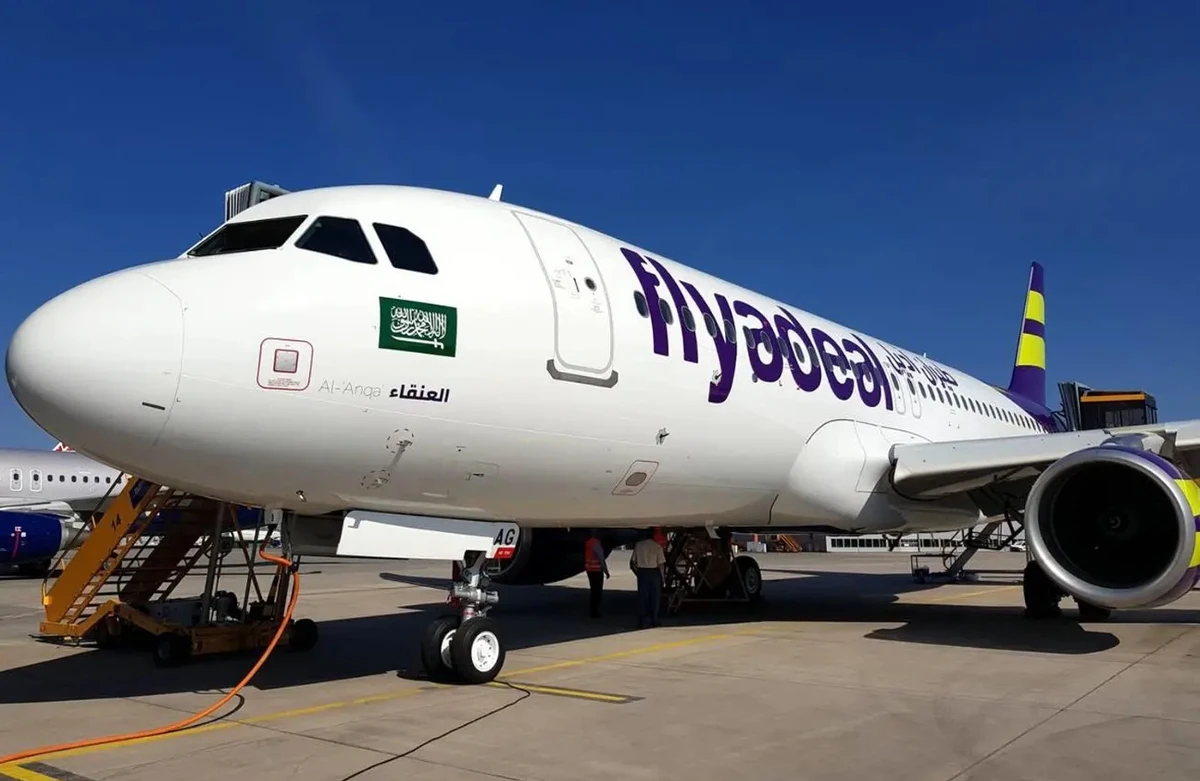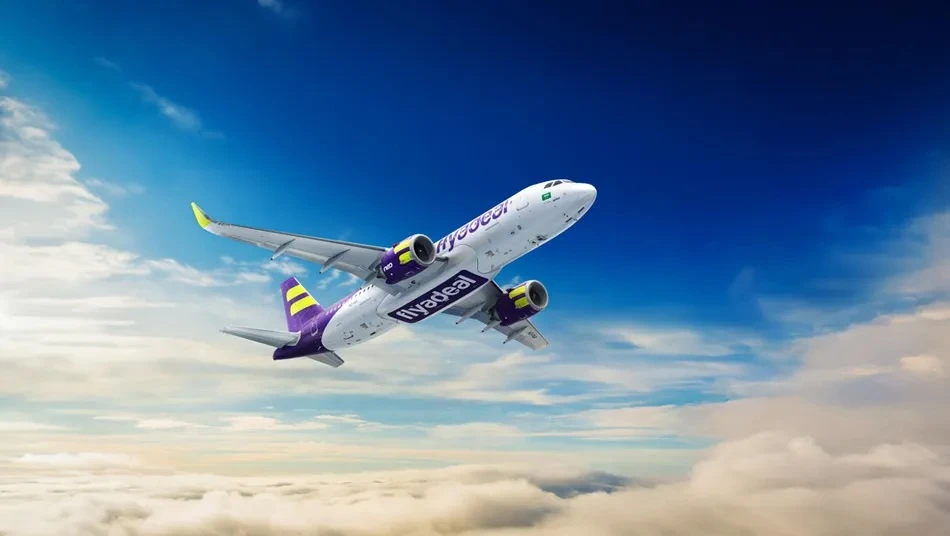
- flyadeal has launched twice-weekly non-stop flights between Madinah and Damascus, providing a new direct connection between the two cities.
- The new route supports demand for religious travel and enhances air connectivity between Saudi Arabia and Syria.
- The flights operate alongside flyadeal's existing Jeddah–Damascus services, which run three times a week.
RIYADH: Saudi Arabia’s low-cost airline flyadeal has launched twice-weekly non-stop flights between Madinah and Damascus, expanding its network in Syria and offering passengers a new direct connection between the two cities.
The new route complements the airline’s existing Jeddah–Damascus flights, which operate three times a week, according to a press statement.
Linking Madinah, home to the Prophet’s Mosque, with Damascus, the route is expected to support demand for religious travel and strengthen air connectivity between the Kingdom and Syria.
The move also aligns with Saudi Arabia’s Vision 2030 tourism ambitions, which include attracting 150 million visitors annually by 2030.
Lloyd Misquitta, acting chief commercial officer at flyadeal, said: “Madinah holds deep religious significance for Muslims around the world, and direct air links play an important role in making the Holy City more accessible.”
Misquitta added: “Our new service from Damascus provides a convenient travel option for passengers visiting Madinah for religious purposes or to connect with family and friends. Together with our existing Jeddah flights, this expansion strengthens connectivity between Saudi Arabia and Syria while offering passengers greater choice and convenience.”
Aircraft and flight timings
The flights between Madinah and Damascus are operated by flyadeal’s Airbus A320neo aircraft.
Flights from Madinah to Damascus depart on Sundays at 13:00 Saudi time and arrive at 15:05, while Wednesday services depart at 12:40 and arrive at 14:45.
Return flights from Damascus to Madinah leave on Sundays at 16:05 and arrive at 18:10, while Wednesday services depart at 15:55 and arrive at 18:00.
Syria seeks to restore economic links
The expansion comes as Syria seeks to rebuild its economy after more than a decade of conflict, with international financial institutions increasing their engagement and authorities pursuing economic and financial reforms.
The International Monetary Fund said in August that the country’s recovery was gaining momentum and projected double-digit economic growth in 2026. It urged the authorities to maintain progress through fiscal, banking and structural reforms.
In October, Syria and the World Bank Group agreed to establish the Syria Recovery and Reconstruction Trust Fund, known as START, to support reconstruction, attract investment and encourage private-sector financing.
Syria has also received $493 million in grants from the World Bank’s International Development Association to support electricity, healthcare, water, education, public finances and the financial sector.