NEW DELHI/SRINAGAR: India accused Pakistan’s intelligence agency yesterday of trying to recruit and train militants to carry out attacks across the border in the Indian state of Punjab.
Home Minister Sushilkumar Shinde said Pakistan’s Inter-Services Intelligence (ISI) agency was pressuring Sikh militant leaders to target Punjab and other parts of India.
“There has been some significant development on the Sikh militancy front,” Shinde said in New Delhi.
“Its commanders based in Pakistan are under pressure from ISI to further ISI’s terror plans not only in Punjab but also in other parts of the country,” he said.
“The Sikh youths are being trained in ISI facilities in Pakistan.”
The minister singled out the threat to the northwestern state during a speech to state chief ministers gathered in the capital for an annual conference on internal security.
India has long accused Pakistan of funding and directing a longstanding insurgency in the disputed Himalayan region of Kashmir, which is divided between the two rival nations but claimed by both in full.
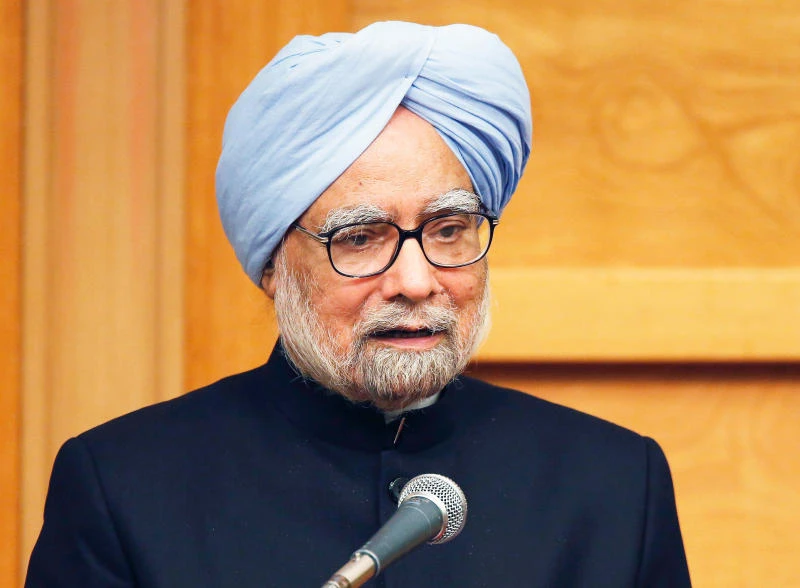
Also addressing the conference, Prime Minister Manmohan Singh urged the state and national governments to work together to curb the “very grave threat” of Maoist insurgents in central India. He has previously described the rebels as the country’s most serious internal security threat.
Cop held for running militant cell
A counterinsurgency police officer in India-controlled Kashmir has been held for allegedly running a militant cell and is suspected of encouraging men to join rebels and then turning them in or killing them for personal gain, police said Wednesday.
Sub-inspector Shiv Kumar and his bodyguard were held Tuesday for running a militant cell involved in at least one recent grenade attack on a police station in the disputed Himalayan region, said a police officer. Their link with the grenade attack was unearth last month after the arrest of five men accused of waging the attack in April. The cop said the five named Kumar as the mastermind of the attack. The two are now the focus of a wider probe into charges that they convinced local men to become insurgents in the violence-wracked region and then turned them in or killed them to receive rewards and promotions.
Experts and human rights workers say India’s control over Kashmir through its military and its policy of rewards for officers who arrest or kill suspected rebels has deepened corruption in the police and the army. They routinely accuse the security forces of taking bribes, selling military supplies on the black market, and aiding and benefiting from timber smuggling.