- Tsar Samuel reigned from 997 to 1014 before Byzantine conquest
- Remains uncovered in 1965 on an island shared by Greece and Albania
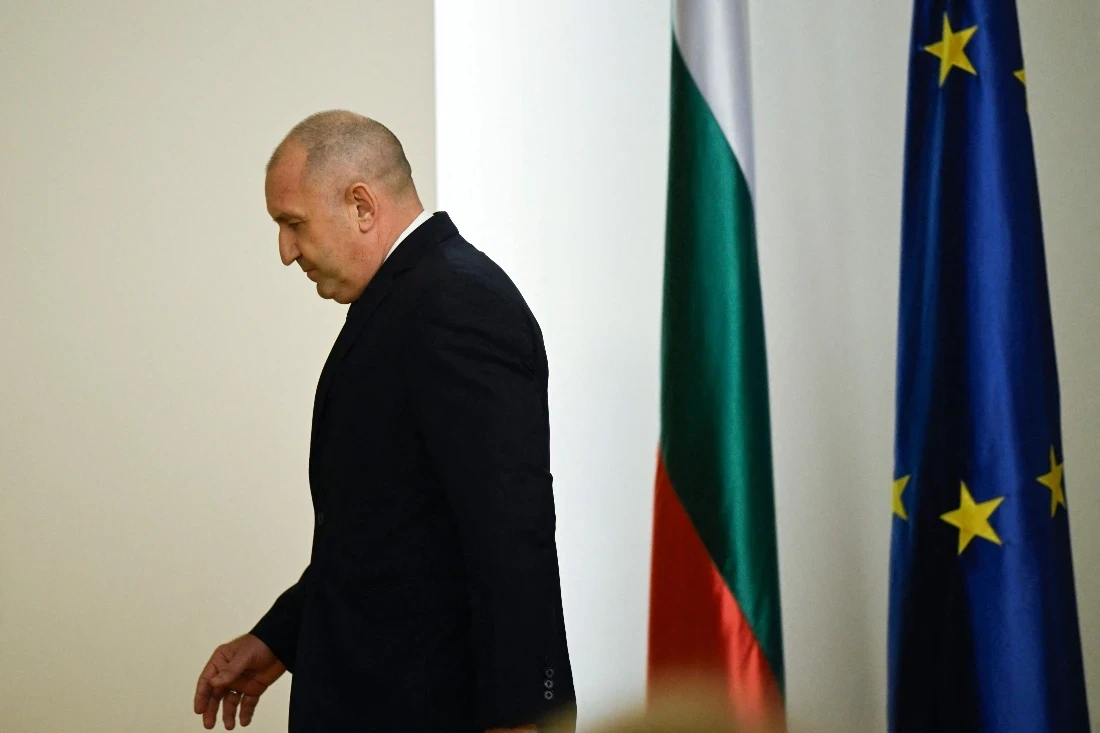
SOFIA: Greece is to return to Bulgaria the remains of one of the last tsars to rule the country before it was conquered by the Byzantine Empire, Bulgarian Prime Minister Rumen Radev announced on Tuesday.
Sofia has long sought the repatriation of the remains attributed to Tsar Samuel, who reigned from 997 to 1014, which were uncovered during excavations launched in 1965 in a basilica located on an island in a lake shared between Greece and Albania.
The official handover will take place on Saturday morning at the Museum of Byzantine Culture in Thessaloniki, during a ceremony hosted by the Greek prime minister, Radev said
“The memory of Tsar Samuel today unites the two countries instead of dividing them,” Radev said, thanking his Greek counterpart Kyriakos Mitsotakis for his “political courage” and for the “friendship” that binds the two nations.
Samuel’s reign was marked by constant struggle against the Byzantines, and he is said to have died of shock when 15,000 of his men were sent back to him blinded by order of Byzantine emperor Basil II, after a catastrophic defeat in battle.
The remains will be taken by military plane to Sofia, where a public ceremony is planned, followed by a procession to the Church of Saint Sofia, where the remains will be laid to rest.
Radev invited Bulgarians to “accompany him in procession to the Church of Saint Sofia on his final journey”.
The Bulgarian government is on Tuesday expected to conclude the final agreement with Athens that also provides for the reciprocal transfer of historical, religious and cultural artifacts, as well as relics, Radev said.
Athens will also hand over remains from two other sarcophagi, which Bulgarian authorities attribute to Gavril Radomir, Samuel’s son and successor, as well as other members of the royal family.
Greece will receive 48 objects taken from the diocese of Serres and Nigrita during the First World War and held at the National HIstorical Museum in Sofia, the Greek culture ministry said.