More than 95 million Indians went to vote as the nine-phase election reached its penultimate stage on Wednesday. The results of the largest parliamentary election in the world will come on May 16.
The 8th stage of elections were held on Wednesday in 64 constituencies, including Amethi where Rahul Gandhi is seeking re-election and 25 seats in Seemandhra after Andhra Pradesh province was partitioned.
The day also marked BJP’s radical leader Narendra Modi, party’s PM hopeful, getting into a bitter war of words with Priyanka Gandhi of Congress and Mamata Banerjee of Trinamool Congress.
On the last day in Uttar Pradesh, where 15 seats went to polls, Modi invoked ‘Ram’ (name of Hindu deity) in Faizabad before reaching Amethi to attack the Gandhi family.
Priyanka did an impressive campaign in Amethi, the constituency of her brother Rahul, and attacked Modi, while seeking votes for Congress.
The divided Andhra Pradesh with 25 seats voted in a single phase and simultaneously held voting for the state assembly with 175 seats. Two Himalayan states of Himachal Pradesh and Uttarakhand and Jammu and Kashmir with remaining 2 seats voted in the 8th phase too. Uttar Pradesh, Bihar and West Bengal will also continue to vote.
The penultimate phase had a total of 897 candidates battling it out in the electoral ground.
According to the Association for Democratic Reforms, 177 (20%) of them have pending criminal cases against them.
Of these, 125 of them have serious criminal cases registered against them, including cases related to murder, attempt to murder, communal disharmony, electoral violations and crimes against women. Another nine candidates, in their affidavits, have declared cases related to murder, while 32 have declared cases of attempt to murder.
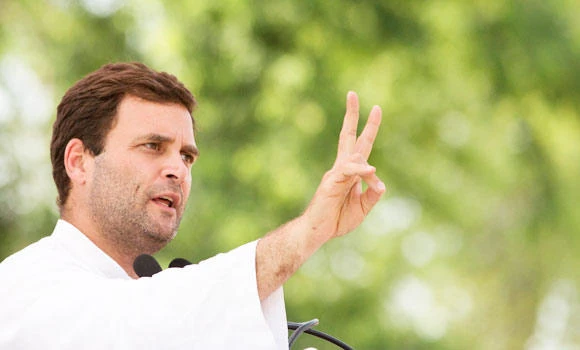
Rahul Gandhi (Congress),Varun Gandhi (BJP), Ram Vilas Paswan (LJP) and Rabri Devi (RJD) were among the heavyweights in the fray
Modi is a deeply polarizing figure due to his Hindu nationalist past and allegations that he failed to swiftly curb deadly 2002 anti-Muslim riots.
The riots swept Gujarat during his early years as chief minister of the prosperous western state, leaving at least 1,000 people, mainly Muslims, dead.
The BJP leader was investigated but never charged with any wrongdoing. However, many people still believe he did too little to stop the violence.
Voting also took place Wednesday in the Muslim-majority region of Kashmir, where police clashed with protesters, and the mainly Buddhist area of Ladakh high in the Himalayas.
India’s Rahul, Varun among other heavyweights in fray