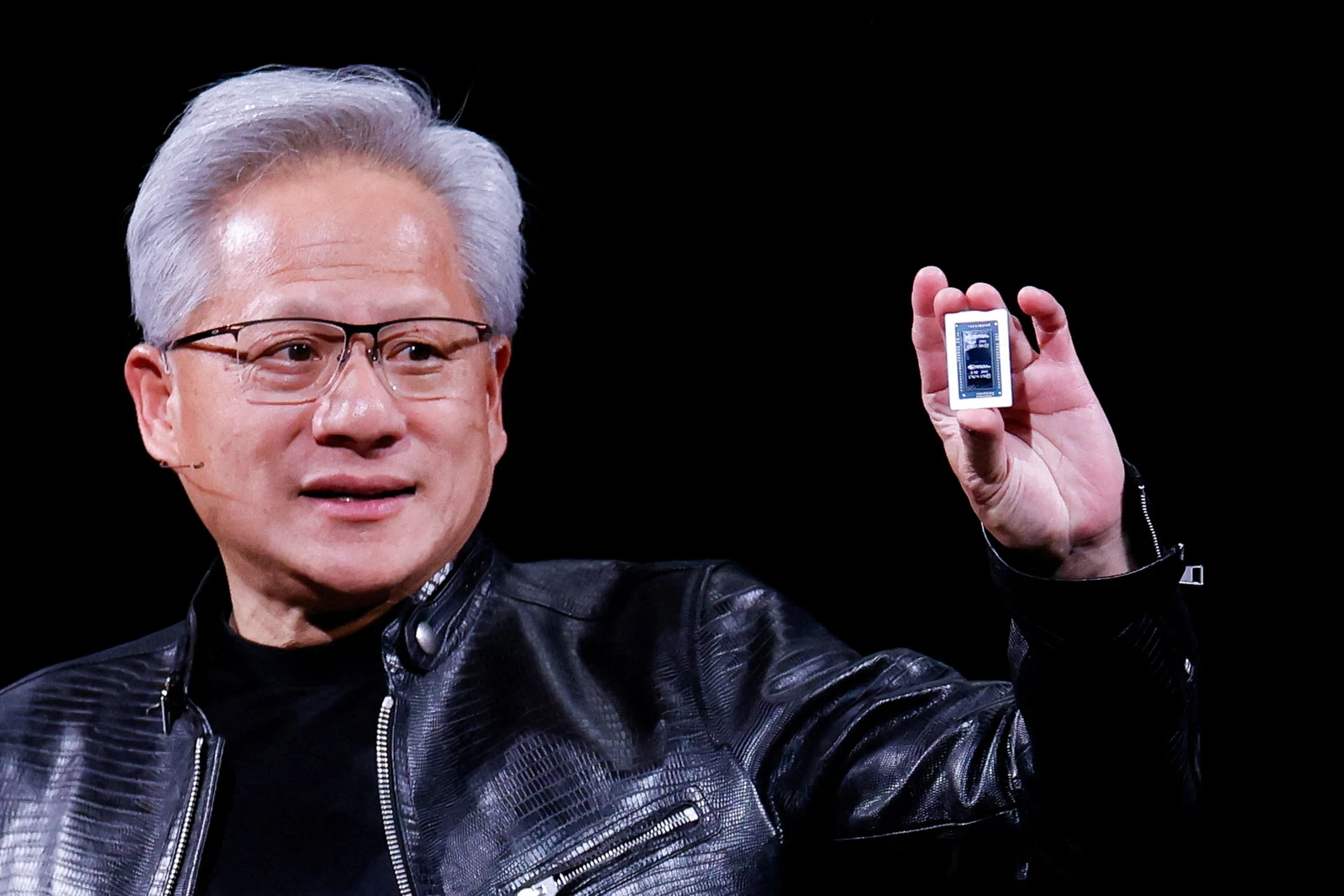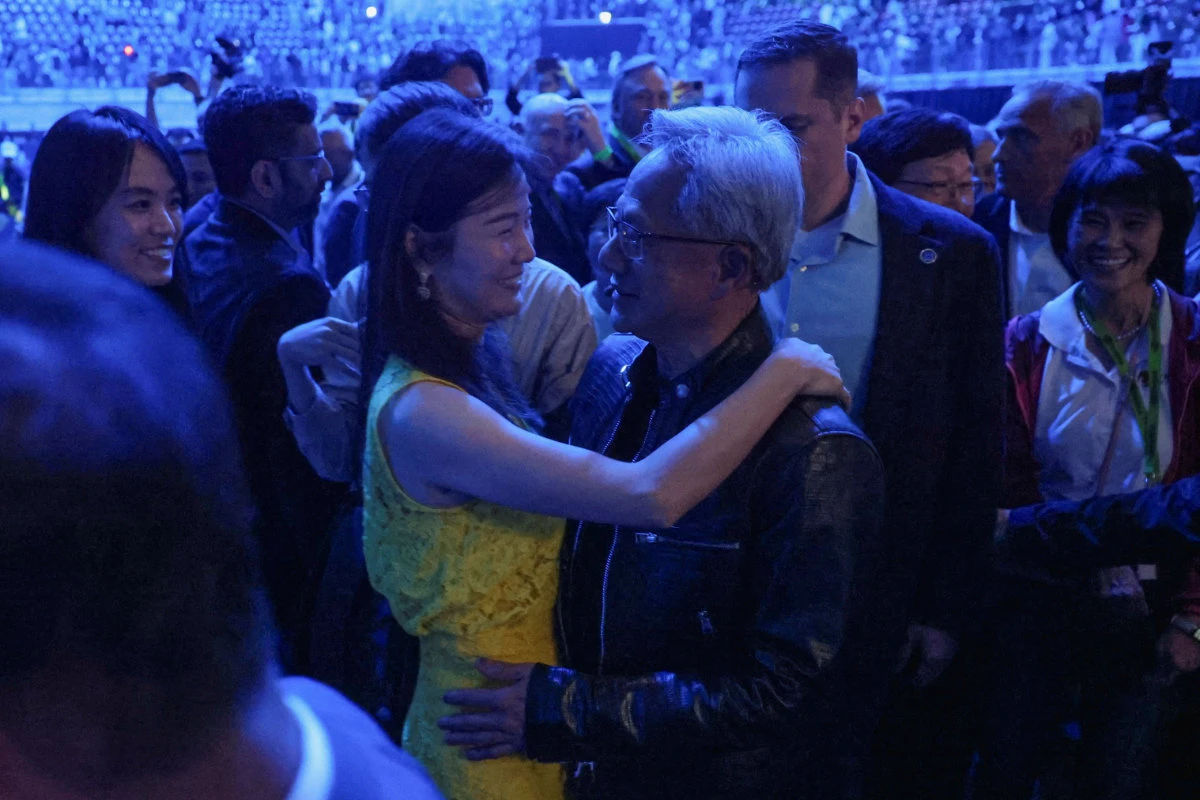
- Elon Musk and Travis Kalanick are among over 158,000 individuals who signed an open letter urging Nvidia’s board to reinstate Jensen Huang, despite a scandal that ended his 33-year leadership
- Questions about Huang’s conduct have arisen, with reports claiming he misled Nvidia executives regarding the nature of his relationship with Alice Huang, describing it as business-related
SAN FRANCISCO: Tech billionaire Elon Musk and Uber co-founder Travis Kalanick are among more than 158,000 people who have signed an open letter urging Nvidia’s board to reinstate former chief executive Jensen Huang, despite the scandal that ended his 33-year leadership of the AI chip giant.
The letter, which had garnered signatures from more than 7,500 Nvidia employees as of Sunday, calls on the board to “bring Jensen back while an independent investigation establishes the facts.”
Huang stepped down on Thursday after reports revealed he had engaged in two extramarital relationships, including one with Chinese businesswoman Alice Huang, who has been the subject of US scrutiny over alleged ties to Chinese intelligence activities, and another involving a subordinate employee.
The high-profile show of support highlights Huang’s standing in Silicon Valley, where he is widely regarded as one of the architects of the artificial intelligence boom.
Signatories include Epic Games founder and chief executive Tim Sweeney, as well as Y Combinator president Garry Tan.
Kalanick wrote in support of Huang that he had “erred, yes — to err is to be human — but I do not believe anything he has done rises to the bar of separating him from his company.”
Under Huang’s leadership, Nvidia became the dominant supplier of AI chips and a major investor in data centers and startups, earning it the nickname “the central bank of AI.”
The campaign comes as some investors urge Nvidia’s board to keep open the possibility of Huang’s return. According to the Financial Times, Huang has discussed a potential comeback with allies and is assembling a crisis team to seek support from the White House.
At the same time, pressure on the company continues to mount. Speaking on Fox News on Sunday, US Treasury Secretary Scott Bessent said Nvidia should look outside the company for its next chief executive and called for greater transparency over allegations that Nvidia chips had found their way into China despite export restrictions.
Reuters: Huang allegedly misled Nvidia leaders
New questions about Huang’s conduct emerged in an exclusive Reuters report citing people familiar with the matter and internal correspondence reviewed by the news agency.
According to Reuters, Huang allegedly misled several senior Nvidia executives, including general counsel Tim Teter and chief marketing officer Alison Wagonfeld, about the nature of his relationship with Alice Huang.
Reuters reported that, in messages sent during 2025 and again in October 2026 in response to media inquiries, Huang described his interactions with Alice Huang and her company, Megaspeed International, as ordinary customer-related business dealings. Two people familiar with the matter told Reuters that he did not disclose that the relationship was romantic.
The news agency said it reviewed October correspondence, though it did not publish the messages verbatim.
Reuters also reported that Huang discussed possible legal action against The New York Times after the newspaper highlighted his meetings with Alice Huang in an article last year. According to Reuters, neither Nvidia nor Huang ultimately sued the publication, and a spokesperson for the newspaper said it never received a legal demand.
Neither Teter nor Wagonfeld responded to Reuters requests for comment. Representatives for Huang and Nvidia declined comment.
Reuters said it was unable to independently verify whether Alice Huang worked on behalf of the Chinese government. Beijing has denied allegations that she was a spy.
The allegations come as Nvidia’s independent directors oversee an investigation being conducted by law firm Wachtell, Lipton, Rosen & Katz. The probe was launched after reports by The New York Times and The Wall Street Journal detailed Huang’s relationship with Alice Huang and US authorities’ concerns about her alleged links to Chinese intelligence.
Huang apologized on Sunday for being unfaithful to his wife and for disappointing the company, though he did not specifically name Alice Huang in his statement.
Nvidia’s shares have fallen more than 30 percent from their Oct. 6 peak, wiping out more than $1.8 trillion in market value, according to Reuters.