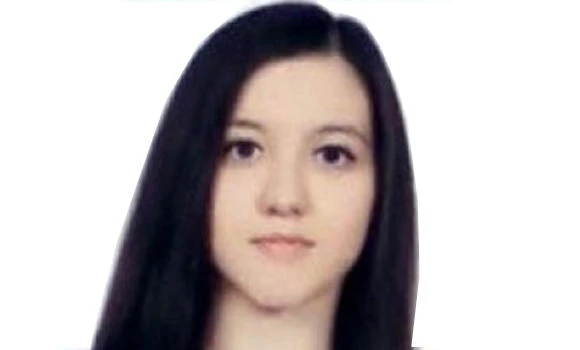
MOSCOW: In the first two weeks of June, Varvara Karaulova, a 19-year-old Russian student at Moscow State University, received more air time on Russian television than even President Vladimir Putin.
With no obvious Middle East connections other than the fact that she was studying Arabic, Karaulova made headlines after she disappeared from the Russian capital and was reported to be heading to Syria to join Daesh.
Her story was closely followed by all of Russia’s major media outlets until she was detained near the Turkey-Syria border, flown back to Moscow and handed back to her relieved father, who had initiated the search for his daughter, the BBC reported.
Karaulova’s case is not unique. Two weeks after her return, Mariam Ismailova, another young woman studying at a well-regarded university in Moscow, went missing amid suspicions that she was also on her way to join Daesh.
Several other students attending universities in large Russian cities are reported to have followed suit. Their fate remains unknown but the considerable media interest in their stories has prompted senior officials to start disclosing figures on just how many Russian nationals are believed to be fighting for Daesh.
Russia’s Federal Security Service estimates that Russian passport-holders could account for as many as 8% of Daesh fighters.
“The numbers are becoming really upsetting,” Russian Deputy Foreign Minister Oleg Syromolotov said on 7 July. “There are currently about 2,200 people from Russia taking part in military operations in Iraq and Syria,” he revealed.
Russian is now the third most used language within Daesh’s self-proclaimed caliphate, after Arabic and English. Many of the recruits are from Dagestan, Chechnya as well as North Ossetia.
Russian students new Daesh recruits