- The incident followed increased tensions along the Korean DMZ after a mine blast
- South Korea's military clarified that the Russian aircraft had not violated sovereign airspace
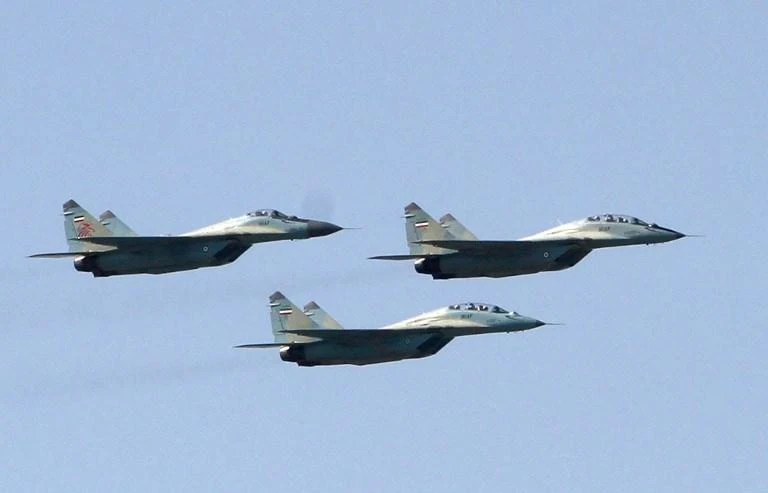
SEOUL: South Korean authorities said Tuesday several Russian military aircraft had breached its air defense zone, correcting an earlier alert that reported a suspected North Korean plane had made an incursion.
It later summoned a military attache from the Russian embassy in Seoul to lodge a protest, urging measures to “prevent a recurrence” and describing the repeated incidents as “unacceptable.”
A breach of South Korean airspace by a North Korean military plane would mark a significant escalation in tensions between the two Koreas, which remain technically at war.
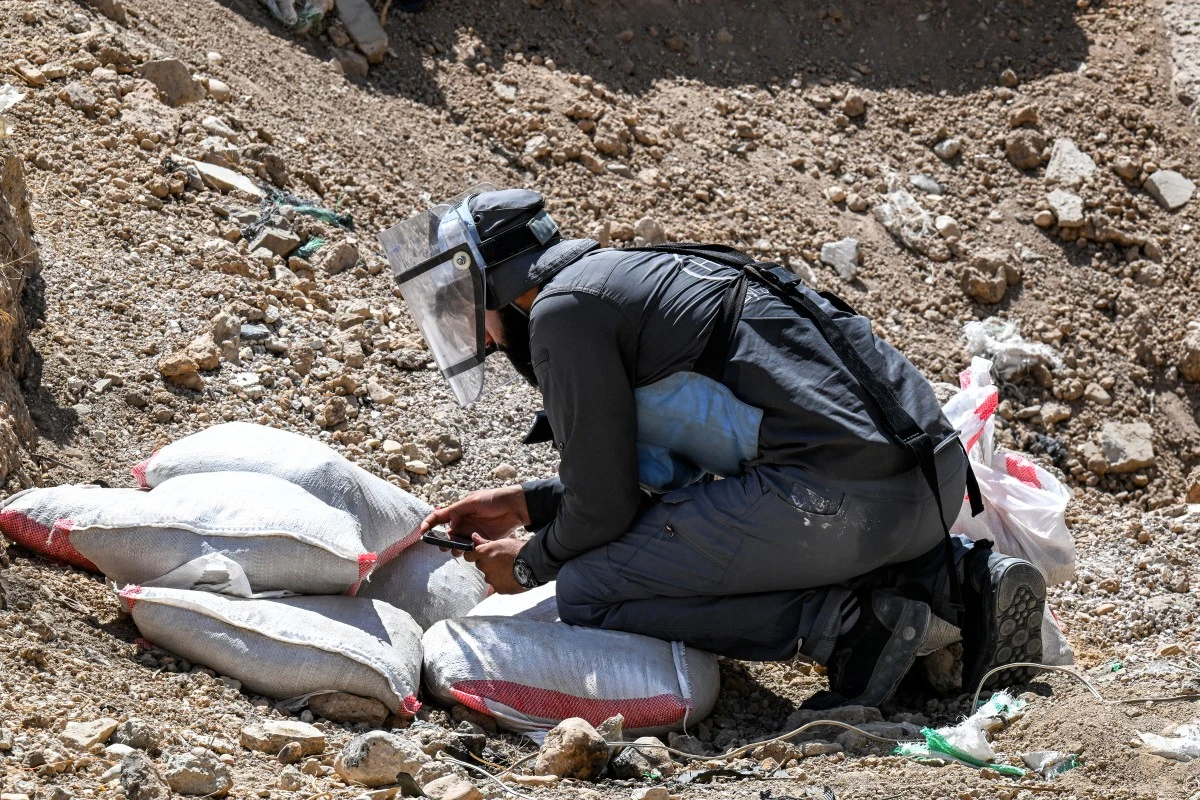
The inaccurate alert came following heightened tensions along the heavily fortified border, after a recent mine blast that injured three South Korean soldiers in the Demilitarized Zone (DMZ).
Moscow, meanwhile, has become a key ally of Pyongyang since Russia’s 2022 invasion of Ukraine, with the two countries sealing a mutual defense pact and North Korea sending troops to fight alongside Russian forces.
Tuesday’s incident came a week after Seoul scrambled fighter jets and conducted tactical maneuvers in response to several Russian military aircraft entering South Korea’s Air Defense Identification Zone (KADIZ) on November 17.
An emergency alert was issued on South Korea’s Ulleungdo in North Gyeongsang Province at 8 am Tuesday (2300 GMT Monday), saying a “suspected North Korean aircraft has left the danger zone.”
“The air raid alert for Ulleung County was lifted at 7:58 am. Please resume normal activities,” it added.
Around 40 minutes later, provincial authorities issued a correction.
“It was Russian aircraft that violated the airspace. We inform that it was Russian aircraft,” they said, without explaining the cause of the error.
Several major South Korean news outlets issued breaking news alerts based on the initial warning before later correcting their reports.
South Korea’s military later clarified that the Russian aircraft had not violated the country’s airspace, although they “flew right up to the edge of our airspace,” and that no North Korean aircraft were involved.
The country’s defense ministry said the morning alerts on Ulleungdo — one of which urged residents to seek shelter underground — were issued as a precautionary measure.
“Some media reports that ‘a flying object believed to be a North Korean aircraft violated South Korean airspace’ are not true,” it said in a brief statement.
- Unacceptable actions -
The Russian aircraft entered South Korea’s air defense identification zone (KADIZ) over the East Sea — also known as the Sea of Japan — and “departed as our forces were taking military measures,” including deploying fighter jets, according to Seoul’s defense ministry.
The Russian planes entered South Korea’s KADIZ “without prior notification and flew in close proximity to the airspace near Ulleungdo,” it later said.
Kim Hak-jo, the ministry’s director general for international policy, lodged a stern protest with Col. Nikolai Marchenko, urging Moscow to prevent a recurrence, it added.
“We made it clear that the repeated unauthorized entry of Russian military aircraft into our Air Defense Identification Zone, as well as their flight in close proximity to South Korean airspace today, are unacceptable actions,” it said.
Such actions “could unnecessarily fuel tensions on the Korean Peninsula and within the region,” it added.
Russia’s defense ministry said its jets had “carried out a scheduled flight over the neutral waters of the Sea of Japan.”
At some points of the 10-hour flight, “the strategic bombers were accompanied by fighter aircraft of foreign states,” it added, without elaborating.
An air defense identification zone is not sovereign airspace but a buffer area in which countries identify approaching aircraft for security purposes.
Military aircraft are generally expected to notify the relevant country before entering its air defense zone, although such notification is not legally required.
In June, more than 10 Chinese and Russian military aircraft entered South Korea’s air defense zone, prompting Seoul to deploy fighter jets in response.