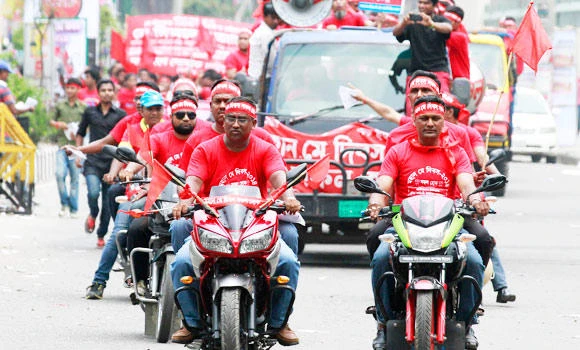
WASHINGTON: The United States has renewed calls for Bangladesh’s leaders to work through their bitter divisions, warning that prolonged instability would take a dangerous toll on the impoverished country.
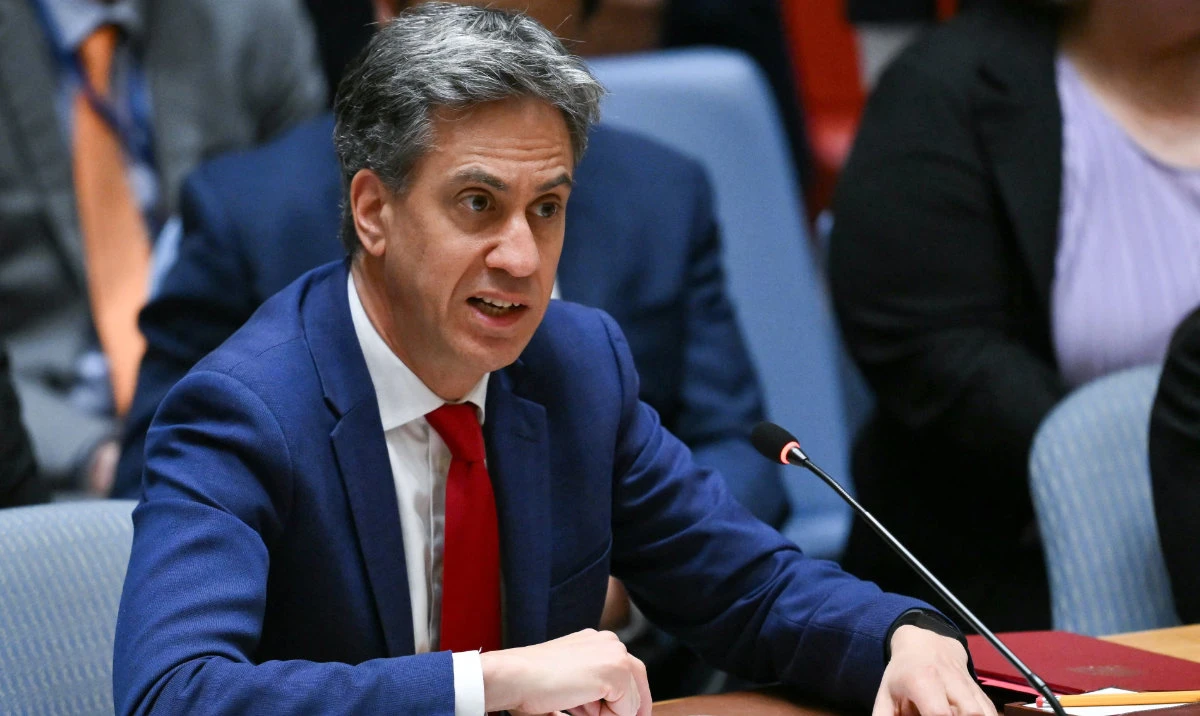
Nisha Biswal, the assistant secretary of state for South Asia, said that the United States would keep pressing Bangladesh to resolve intense feuding but acknowledged that “we haven’t seen a tremendous amount of movement.”
“We believe that all of the gains that Bangladesh has made in its economy, in its development trajectory, that all of those gains are fragile and unsustainable in the long term if it does not have political stability,” she told a congressional subcommittee.
“And political stability is not possible without some greater degree of political inclusion.”
Representative Steve Chabot, who chairs the House Foreign Affairs subcommittee on Asia, encouraged sustained effort to encourage political progress in Bangladesh.
“If it’s not resolved, I’m afraid the violence is going to escalate and an ally — a good ally of the United States and one that has kind of traditionally been looked upon as a model for a moderate Muslim country — could become just the opposite,” Chabot said.
The United States criticized the conduct of a January 5 election which returned Prime Minister Sheikh Hasina to power after the main opposition party boycotted the vote.
Since the election, prosecutors have pursued embezzlement charges against opposition leader Khaleda Zia — who has a longstanding and deeply personal rivalry with Hasina. If convicted, Zia could be sentenced to life in prison.
The United States has redirected assistance that could benefit Bangladeshi politicians and instead focused on concerns including labor rights in the wake of the April 2013 collapse of the Rana Plaza garment factory complex that left 1,135 people dead.
US fears for Bangladesh stability