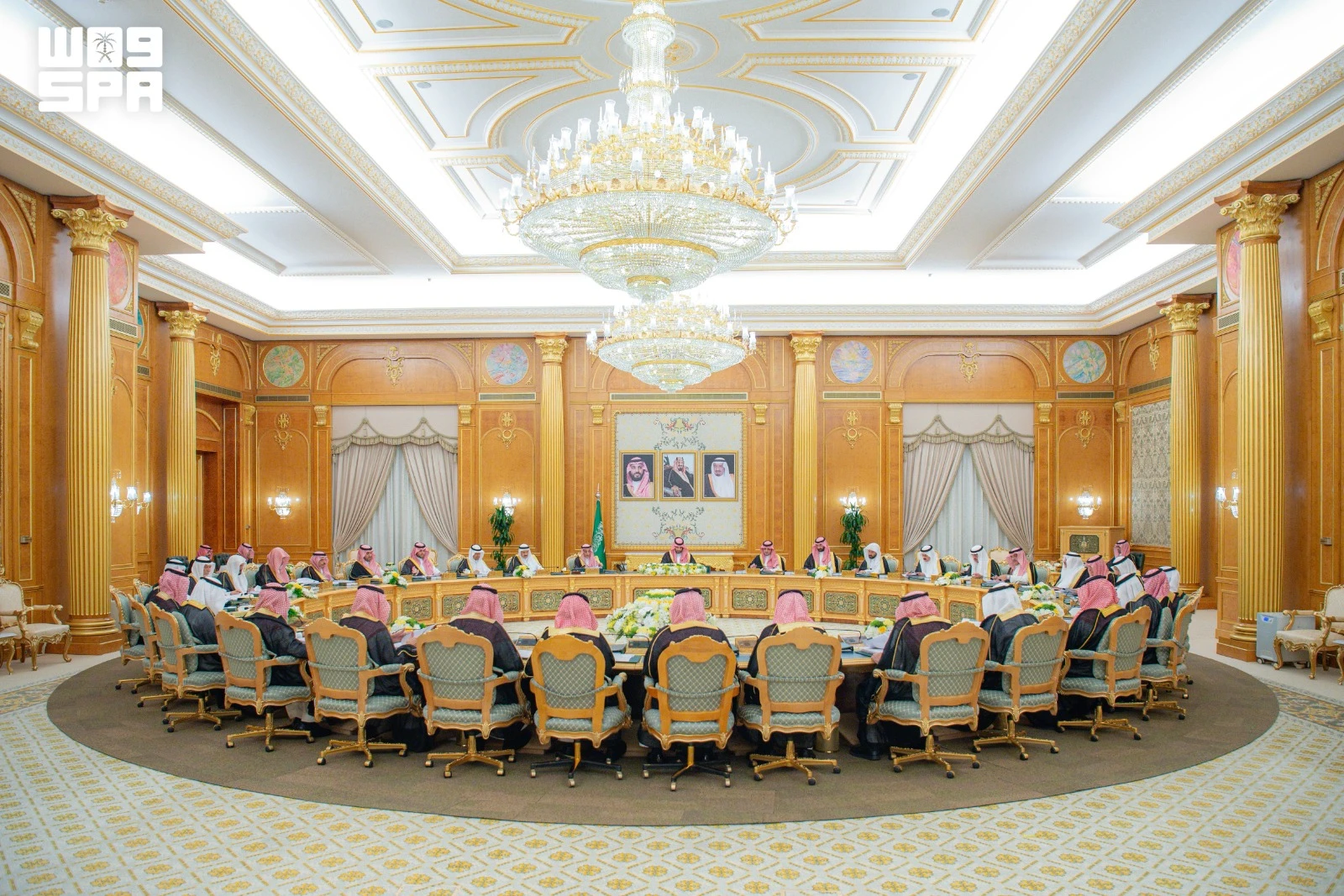
Whenever a governor or some senior official visits a department or a place for which they are responsible, government employees and local residents rush to buy expensive newspaper ads to welcome them.
Almost everybody — from city officials and tribal sheikhs (including their children and relatives) to the staffs of local hospitals — join in the campaigns of hailing and praising.
Some reports have suggested that the cost of these expensive ads is paid for by the local population, from official budgets and donations made by companies seeking to expand their business into areas affected by these visits.
Truly no governor would like to be part of all this simply because they do not need such propaganda. Official visits and inspection tours are part of any public officers’ duties.
Government officials are required to make these visits to see for themselves how things work in their regions. This is their responsibility toward God, the ruler and the people.
Why not then use all the money spent on ads to build shelter for the homeless, treat the sick or repair damaged school buildings? This would be much better than spending thousands of riyals on pointless and unnecessary ads.
The problem with the ads is that they have become so common that they are being copied everywhere. I appeal to governors not to announce their visits.
This would save the money spent on decorating and beautifying that vanish as soon as the visit is over and would spare us the trouble of waiting for hours and having to listen to long sleep-inducing speeches, the recitation of inferior poetry and the singing and dancing.
In simple and sincere words, the local population would sincerely welcome a governor or any other official even if they arrived unannounced.
The people would invite them into their homes to share a meal and have them listen to local problems. It would be a heart-to-heart talk.
In the end, there would be greater appreciation when the people found that their petitions had been considered and their problems solved.
Arab News From the Local Press 20 January 2003