BOMBAY, 21 November 2003 — For once, the sports officials played well for India and won the right to host the 2010 Commonwealth Games in New Delhi. It will be only the second time that the event will have come to Asia. All the meticulous planning by the Indian Olympic Association bore fruits as India outbid the Canadian city of Hamilton.
The erstwhile British and Empire Games have come a long way since their inception in 1930. As the biggest colonial domain gradually transformed into a comity of independent nations, known as the Commonwealth, the bidding for the event has turned as fierce as it would be for the Olympics.
Great Britain, which had hosted most of the earlier games, or dictated to others where they should be held, no more plays the big brother and now may have to stand in queue for the next bid. So much for the independence and importance of the Commonwealth Games, which apart from their sporting significance, have acquired high prestige and enormous commercial value. India’s earlier bid in 1988 for the 1994 Games failed despite the IOA and government officials doing everything in their power to toe the official and not-so-official line. Suresh Kalmadi, who had made an elaborate presentation then, has perhaps learnt a few lessons and was not to miss the bid this time. What does it really take to make a bid for these games successful?
The criteria for earning an ultimate nod, by way of majority votes include both seen and unseen factors. The five main ones are:
Infrastructure: For the sake of spot inspection, the existence of the total required infrastructure or the potential for creating one, is a must. New Delhi’s decadent 1982 Asian Games structures seemed to have passed the test, with the promise of large-scale upgradation. Hyderabad, there is no doubt about what India can provide .
Security: The most important factor in these troubled times is security. No big event in any part of the world these days can compromise on this aspect. Sporting visits to India by several countries have been absolutely hassle-free. Money: The financial resources of about $450 million is not a very big amount for a country like India, give its status as the biggest consumer market in the world with many Indian and foreign corporates being a part of its economy. India has hosted two Asian Games and two World Cups of cricket, besides the recent first ever Afro-Asian Games.
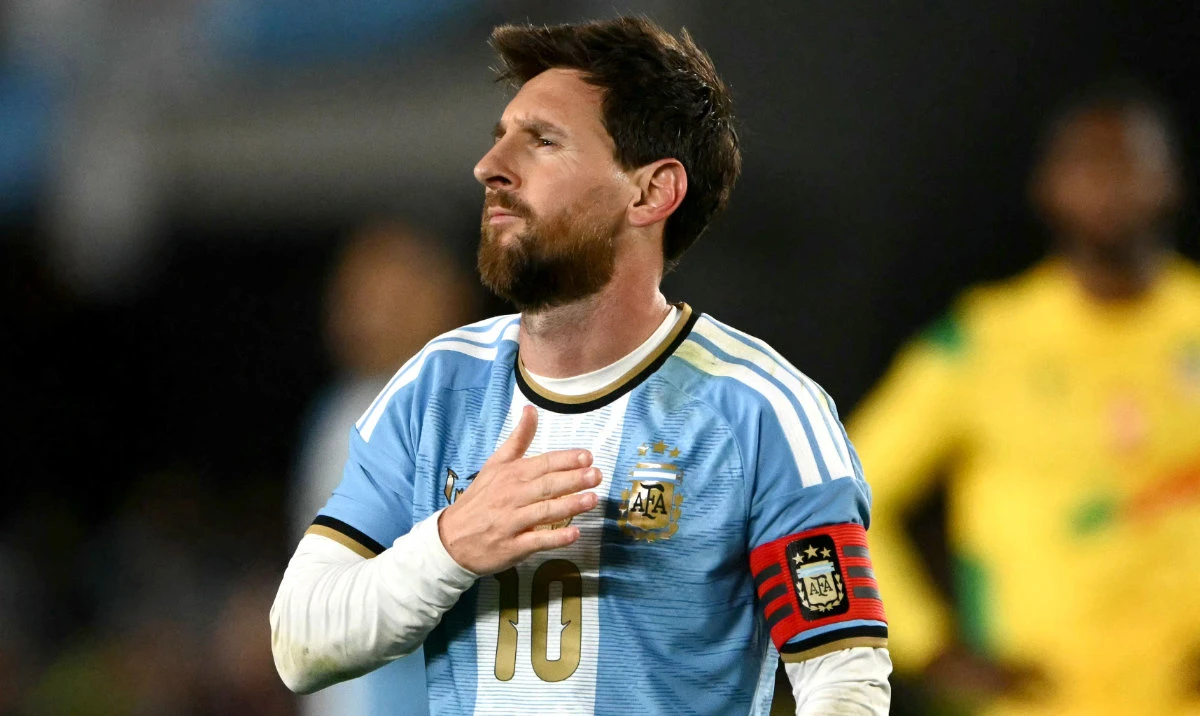
Public relations: For the first time the Indian delegation to any international sports forum has included influential sportspersons so as to add tremendous weightage to its presentation. The inclusion of former batting phenomenon Sunil Gavaskar was a master-stroke.
The meeting of the Commonwealth Games Federation was held in Jamaica in the West Indies where Gavaskar is a household name. The West Indies which plays as one cricketing unit, actually has 12 independent nations in its fold and all of them are members of the Commonwealth, so are eight other Test- playing nations. So one can imagine the Little Masters popularity amongst the sports officials present in Jamaica.
Many Commonwealth countries are involved with the game of billiards at the international level. As such former world champion Michael Ferreira, now a well-known promoter of the game, was also made a part of the delegation.
The unseen factor: This brings us to the final question of whether all these criteria would be enough to beat the other bid ? The answer is “No.” It takes much more. When Atlanta City won the bid for 1996 Olympic Games, it was reported that millions of dollars were distributed by way of gifts in the form of free holidays, scholarships, funding development programs, etc, etc, amongst member-delegates who carry their countries’ votes in their pockets.
The reason why India had lost the 1994 Commonwealth Games bid was that the representatives of the Canadian city of Victories had come to Seoul with fatter checkbooks. That kind of grease has now turned to official offer directly to the Olympic bodies of the countries who make up the Commonwealth Games Federation, as well as unseen, or rather unmentioned, benefits privately to some of them. The charge by Hamilton, which lost the bid, that India had bought the votes, will be indeed difficult to prove. Suresh Kalmadi’s Indian Olympic Association, so heavily backed as it was by the government, appears to have played its cards well at all levels. As such bids go by, 46-22 is a fabulous margin.