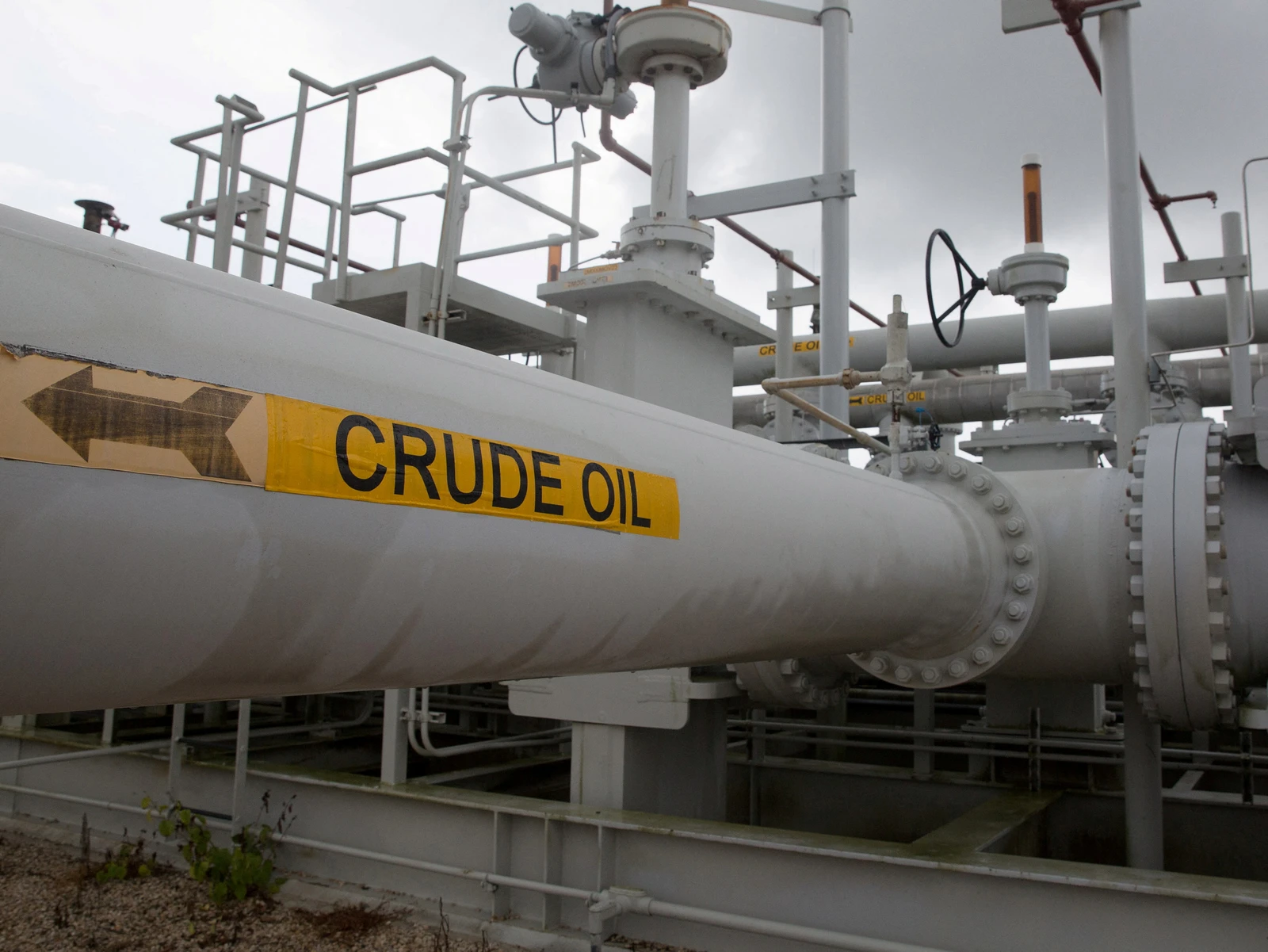
ISLAMABAD, 26 February 2005 — Pakistan’s premier said yesterday warming relations with India could get a further boost from a proposed four-billion-dollar gas pipeline from Iran to India via Pakistan.
“The confidence-building measures and the dialogue we’ve initiated at all levels arehelping to create a conducive atmosphere” (for peace), Prime Minister Shaukat Aziz told a conference in the Indian capital.
“In this situation, the energy corridor we’ve offered the (Indian) government will be win-win for all,” Aziz, who is also finance minister, told the audience, speaking by video-link from Islamabad.
Earlier this month, against the backdrop of improving relations with Islamabad, India said it would consider a pipeline from gas-rich Iran via Pakistan to help meet its fast-expanding economy’s appetite for fuel, subject to security considerations.
“It creates linkages and interdependencies and builds trust and interaction,” said Aziz, whose country stands to reap millions of dollars in transit fees from the 2,775-kilometer energy corridor.
Nuclear-armed India and Pakistan, which have fought three wars, two over the Himalayan region of Kashmir, have been engaged in a slow-moving peace dialogue since January 2004.
The pipeline would travel through Pakistan’s southwestern Balochistan province. India currently produces around 50 percent of the gas it needs, a percentage set to fall as its economy guzzles more fuel to keep growing. New Delhi has said increasing gas imports was crucial to maintaining expected annual growth of seven to eight percent.
India had been holding out for construction of the pipeline only if overall economic dealings with Pakistan widened, but earlier this month the Cabinet decided to delink the pipeline from the overall peace process.
Aziz said the project by itself could be a vital spur to trade relations. “Nobody disputes the merit of having more trade. In this context, the gas pipeline will be a major effort to link the two countries. The proposed gas pipeline project would be a huge economic confidence-building measure ... a standalone project of huge significance,” he said.
“We’re also benefiting in terms of getting energy for own needs,” he said, adding, “I’m hoping we will bring it to a maturity very soon.”
Iran and India have been talking about a pipeline since 1994 but longstanding hostility between India and Pakistan has always stood in the way.
India has long worried its energy security could be hurt by relying on a pipeline transiting Pakistan. But the Pakistani premier said Islamabad was “genuinely working for a peaceful and prosperous (geographical) neighborhood.”
At the same time, Aziz said, “Fundamental changes in thinking and behavior means making difficult changes.”
Aziz called the decision this month by the two sides to start a long-awaited bus service in April between the Indian- and Pakistan-held zones of Kashmir a “step in the right direction.”
At the same time, he said, the two sides had to “recognize the ground realities,” a reference to the dispute over the region which both sides claim. “It’s not going to be easy,” he said.