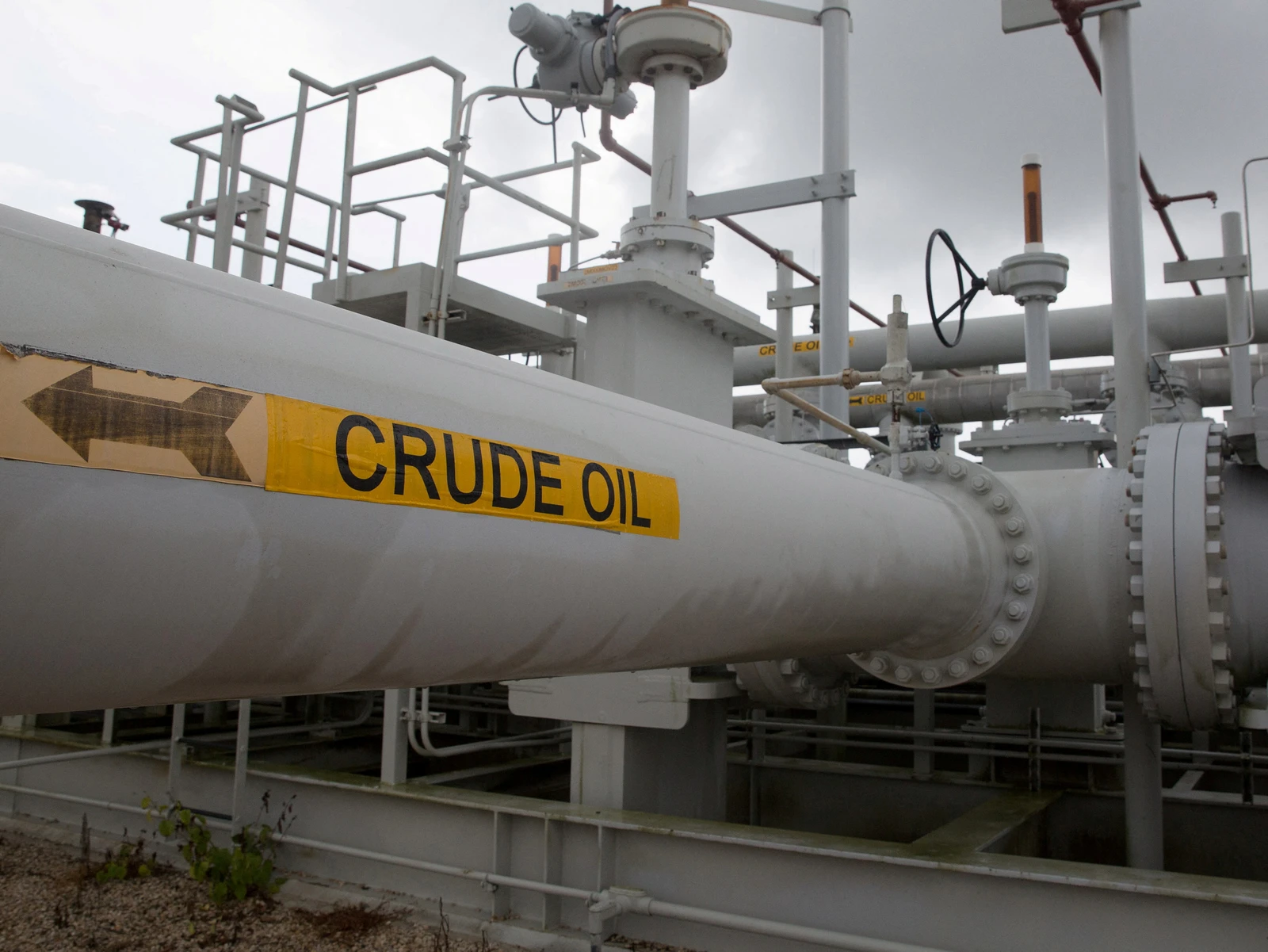
TEHRAN, 27 February 2005 — Russia and Iran yesterday again delayed the signing of a controversial contract to supply the Islamic republic with nuclear fuel for its first atomic power plant, amid what appeared to be a fresh dispute over the terms of the deal.
Russia’s top atomic energy official Alexander Rumyantsev and his Iranian counterpart Gholamreza Aghazadeh had been poised to sign the agreement earlier yesterday, but reporters were told that instead negotiations were still “dragging on”.
“We do not know when they will conclude,” said a spokesman for Iran’s Atomic Energy Organization, Yaghoub Jabarian. He added that a rescheduled press conference would “maybe” take place today. It was the latest and most spectacular hitch to a contract that the United States — which accuses Iran of using an atomic energy drive as a cover for weapons development — has been trying to convince Russia not to sign.
In a concession to the United States, Moscow had refused to provide fuel for the Bushehr plant in southern Iran unless spent fuel - which potentially could be reprocessed and upgraded to weapons use - was returned. Iran agreed to this condition after close to two years of talks that have pushed back the opening of the plant, a symbol of Iran’s bid to join the world’s “nuclear club”.
According to Ali Agha Mohammadi, a spokesman for Iran’s Supreme National Security Council, the latest hitch was contractual and not connected to either politics or the return of fuel. “The talks have progressed well ... but the negotiations on the timing are continuing,” he told AFP.
And Mohammad Saidi, the deputy head of Iran’s Atomic Energy Organization, said he was hopeful the deal would finally be signed during a visit by Rumyantsev to Bushehr today. The deal would cap an $800 million contract to build and bring on line the Bushehr reactor in southern Iran.
Bushehr was raised during a summit between US President George W. Bush and Russian President Vladimir Putin in Bratislava on Thursday, where both publicly agreed that Iran should not develop nuclear weapons.
According to Russian diplomats, the United States has been lobbying against Moscow’s involvement in Iran’s nuclear program “on a daily basis” — and right up until the Bratislava meeting. But they also point out that the huge contract has “virtually saved Russia’s atomic energy industry”, and emphasize that there is no way Bushehr could constitute part of a weapons program.