SRINAGAR, 28 February 2005 — Indian Prime Minister Manmohan Singh visited Kashmir yesterday to study the devastation caused by avalanches last week, officials said, as three more bodies were dug up, taking the toll to 252.
The bodies were recovered overnight in the worst-hit Waltingo area of the state, they said.
Manmohan, accompanied by Home Minister Shivraj Patil, was to make an aerial survey of the hamlets flattened by the avalanches, a state government official said.
“The prime minister will also review relief and rescue measures being taken in the affected areas during a meeting with senior state officials,” he said.
The avalanches that hit the southern hamlets a week ago buried humans, animals and houses.
Civilian and police rescuers have been digging through huge drifts of snow to pull out the dead, who have been buried in mass graves. Officials said some 50 people were missing. Kashmir Chief Minister Mufti Mohammed Sayeed said the survivors would be moved to other areas, an official statement said overnight.
“I understand the agony of victims and assure them that the government would spare no effort to provide relief to them and ensure adequate rehabilitation of the survivors,” he said. He said the relatives of the dead would be given 100,000 rupees and those who lost property and livestock would also receive relief.
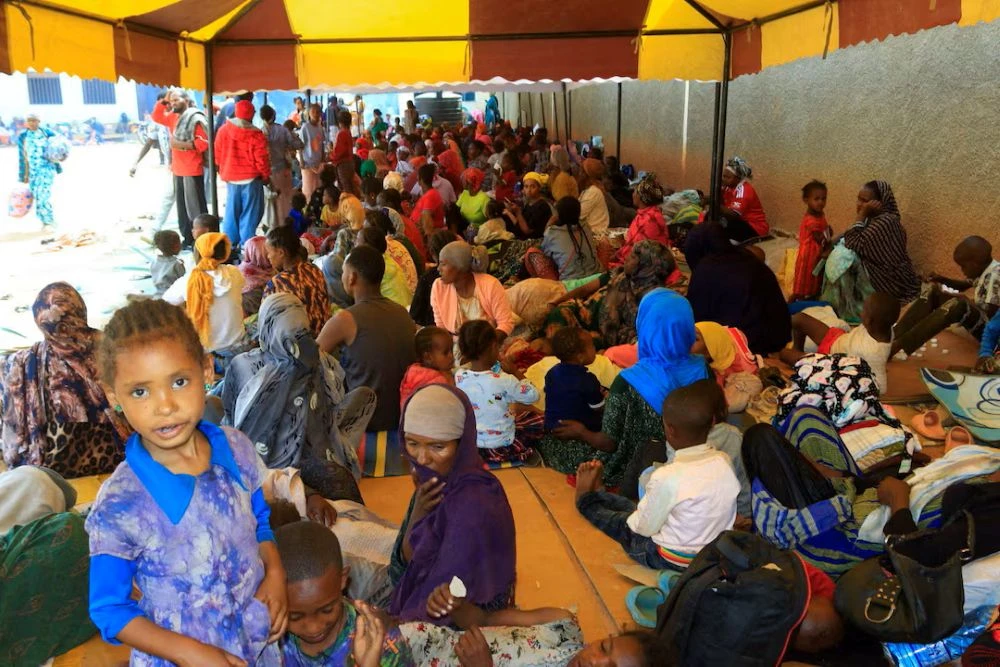
More than 400 survivors from the flattened villages have been sheltered in a school building where they were being provided with food and bedding.
The Indian Army, which has called the avalanches an “unprecedented crisis”, has urged people living in the mountains to leave their homes as expected warmer weather could cause more snowslides. Army mountaineering teams and sniffer dogs were scouring avalanche-stuck areas of Kashmir for survivors and bodies, officials said yesterday.
“The army has deployed 20 specialist mountaineering teams ... for rescue and relief operations,” Kashmir Governor S.K. Sinha said.
Some villages still were inaccessible more than a week after the avalanches devastated the area.
“To make a real assessment about damage to life and property in inaccessible areas is difficult,” Farooq Ranzoo, a spokesman of the Kashmir government, said.
Helicopters, which have been dropping food to survivors, were also releasing leaflets urging people needing help to hoist flags that could be seen from the air.
In Waltingo and three neighboring villages in south Kashmir, rescuers braved freezing temperatures to dig through snow to find more frozen bodies.
Residents in Srinagar, Kashmir’s summer capital, complained of shortages of cooking gas, kerosene and vegetables as the region’s key highway remained closed for the 11th day yesterday. Queues of vehicles were seen at fuel stations in the city.
“People have started fighting for a liter of petrol or diesel,” Farooq Ahmad, an owner of a fuel station, said.
Officials said more than 1,000 people still stranded on the Srinagar-Jammu highway, which connects Kashmir with rest of India, were being lifted by air force helicopters to Jammu, the region’s winter capital.
Kashmir Bus Service May Be Delayed
Manmohan yesterday said the start of a bus service connecting the Indian and Pakistani administered zones of Kashmir, due to begin on April 7, could be delayed. India and Pakistan had agreed to launch the bus service after talks in Islamabad on Feb. 16.
But an Indian Kashmir official said bad weather has hampered repairs to the road connecting Srinagar and Muzaffarabad, the capitals of the Indian and Pakistani zones of Kashmir.
The announcement of the resumption of the bus link — severed in 1947 — has been one of the most dramatic steps yet in a drawn-out peace process between the South Asian rivals. — Additional input from agencies.