RAMALLAH, 13 March 2005 — The Islamic Hamas movement has decided to join the coming legislative elections in the West Bank, East Jerusalem and Gaza Strip that will take place next July.
Mohammed Ghazal, a senior leader of Hamas movement, announced yesterday at a press conference in the West Bank city of Nablus that his movement would join the coming parliamentary elections.
Hamas has emerged as a key player in Palestinian politics. A victory by the group in the July 17 parliamentary vote — to be held days before Israel is to begin withdrawing from the Gaza Strip — could be a deciding factor in whether the Israeli pullout leads to peace talks or a dead-end.
Ghazal said the group would decide after the vote whether to join Palestinian President Mahmoud Abbas’ Cabinet and if it would support his moves to renew peace talks with Israel.
“Until then, anything can happen,” he told reporters. “We still haven’t decided whether to be a part of the Palestinian government and we haven’t decided on the issue of Israel ... we will decide in the future whether to talk to them.”
In Gaza, meanwhile, about 2,500 unemployed Palestinians stormed the Parliament building, throwing stones at police and breaking windows. One man waved a piece of bread and a woman held up an empty pot, while police in full riot gear fired in the air to disperse the crowd. The internal unrest underscored the obstacles Abbas has to overcome to lead his Fatah party to victory in the parliamentary election.
Hamas did not participate in the last parliamentary election in 1996, refusing to recognize the interim peace deal that led to the establishment of the Palestinian Authority. In January, however, the group had an overwhelming victory in municipal elections in Gaza, and also made gains in a West Bank vote.
Hamas has won popular support partly because of its fight against Israel, but also because it has provided welfare and social services to poverty-stricken Palestinians, especially during the last four years of fighting when the situation has worsened.
Abbas said he was not surprised by Hamas’ decision, and encouraged other Palestinian factions to compete in the election. “I think this is a good step that we should react to positively,” he told reporters.
Abbas, who is under intense Israeli and US pressure to rein in Hamas and other militant groups, is trying to co-opt the groups, fearing a crackdown would lead to internal fighting.
A truce would allow Abbas — who is trying to consolidate his power after the November death of Yasser Arafat — to renew peacemaking with the Israelis, reform his government and attract donor money needed to begin rebuilding institutions that could better the lives of Palestinians.
But some Palestinians who voted for Abbas in a January presidential election are rapidly losing patience, demanding the Palestinian leader make good on his campaign promises. The disgruntled jobless in Gaza threw punches and stones at police officers, threatening to storm the Parliament building if their demands were not met.
Abed Abumahadi, one of the organizers of the demonstration, demanded Abbas create jobs, and provide Palestinians with welfare services and a free education.
“So far we have nothing,” Abumahadi said. The unemployed are protesting the “miserable conditions that the Palestinian laborers must endure,” he added.
The clash in Gaza came just two days after a group of 20 gunmen stormed a hotel in Ramallah during a meeting of Fatah activists. The gunmen demanded the 1,200 Fatah members make good on promises to reform the Palestinian Authority and ferret out corruption.
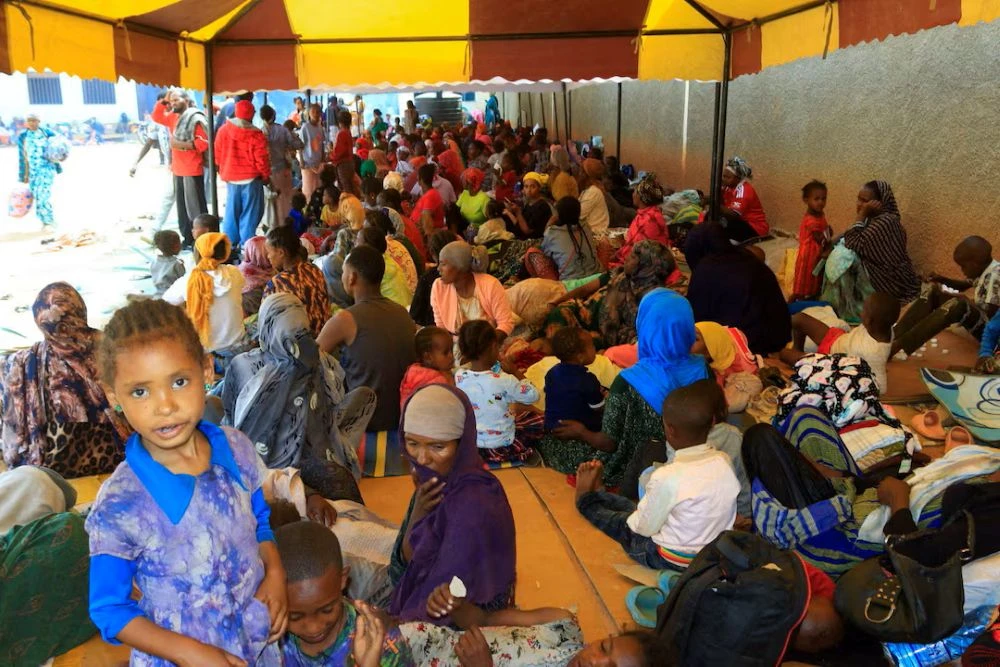
After the Gaza demonstration, a few hundred protesters stayed behind, pitching a tent outside the Parliament building and vowing to remain there until the government meets their demands. Gaza has been especially hard-hit by the fighting. Thousands of Palestinians who worked in Israel until violence erupted in September 2000 suddenly found themselves unemployed.
The deadly violence, harsh Israeli Army raids and a breakdown of internal authority made life unbearable for many of the 1.3 million Palestinians living in the crowded coastal strip.
— With input from agencies