TEHRAN, 23 April 2005 — Thousands of people marched for peace in southwest Iran yesterday one week after bloody ethnic unrest in which at least five people were killed and more than 300 arrested, state media reported. State television showed images of thousands of men and women marching through the city of Ahvaz in Khuzestan province where just days ago groups of Arab-Iranians attacked and set fire to cars and buildings and clashed with security forces.
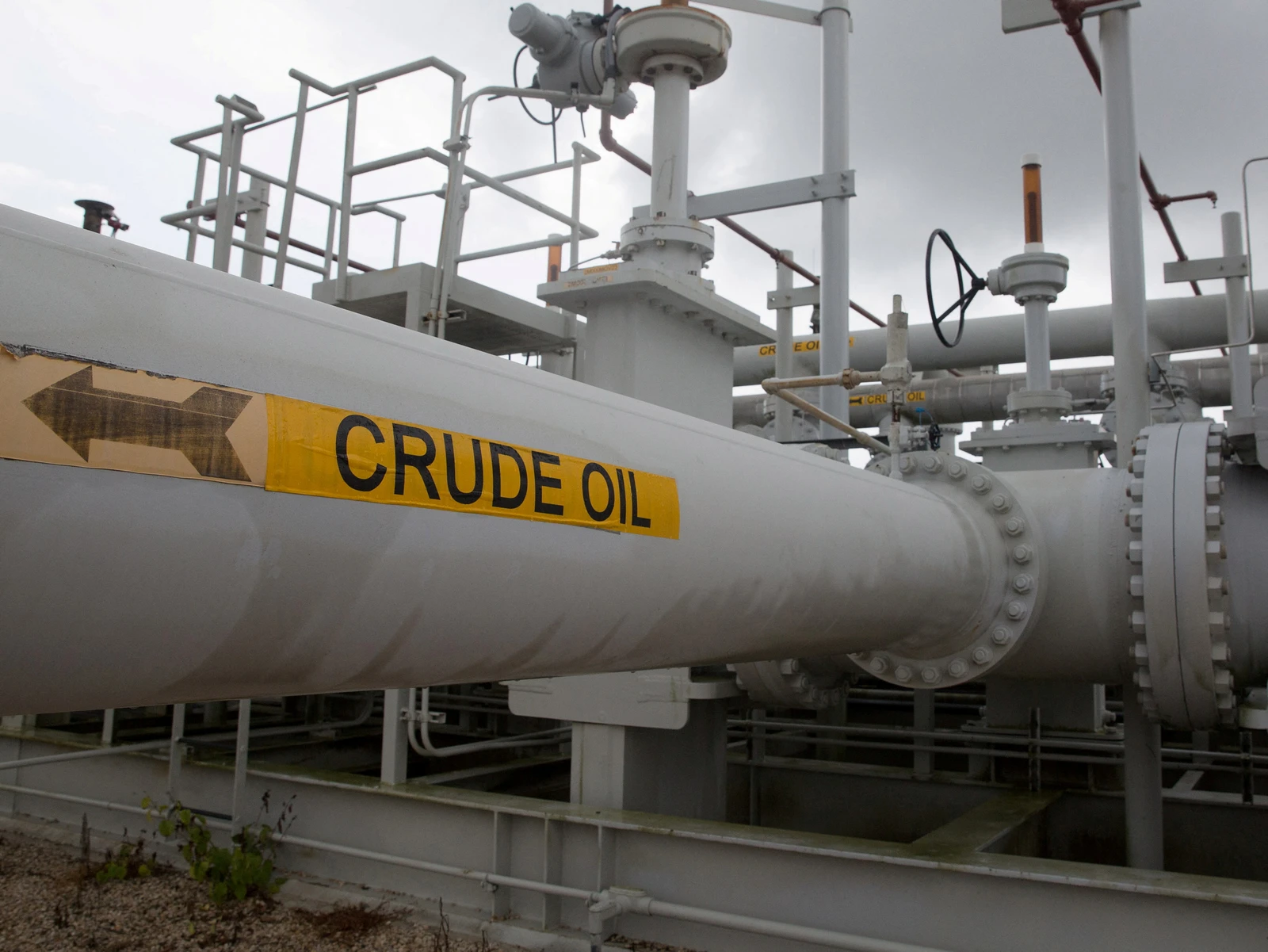
Officials say the protests were sparked by circulation of a forged letter, supposedly written by a senior government official, which suggested ways to dilute Arab influence in southwest Iran — the heartland of the country’s oil industry. Only about three percent of Iran’s 67 million population is Arab but in some parts of the southwest they are in a majority.
Those taking part in the Grand Solidarity rally in Ahvaz yesterday carried banners and chanted slogans in both Farsi and Arabic condemning the unrest and attacking the Islamic state’s chief enemies.
Many officials and politicians have accused Iran’s foreign enemies and exile opposition groups of stirring up the recent unrest. Authorities have temporarily closed down the Tehran bureau of Qatar-based Arabic language news network Al-Jazeera, saying its role in encouraging the violence was being investigated.
Meanwhile, a senior nuclear safety expert at the U.N. nuclear watchdog said yesterday Tehran appears committed to safety at its Bushehr nuclear power plant, which a consortium of Russian companies is constructing in Iran.
Russia has pressed ahead with the Bushehr project despite strong opposition from Washington, which believes Iran’s nuclear energy program is a cover for an atom bomb program. Tehran denies wanting the bomb and says its atomic ambitions are limited to the peaceful generation of electricity.
“So far so good,” Ken Brockman, director of nuclear installation safety at the UN’s International Atomic Energy Agency, told reporters when asked about Iran’s commitment to safety standards at the 1,000-megawatt Bushehr reactor.
“I’ve seen many applications out there where the Iranians have identified construction that did not meet their quality standards and they’ve been very aggressive in going in and replacing it and making sure it does,” he said.
Brockman said that the IAEA, in cooperation with the Russian government and regulatory authority, has been providing a wide range of technical assistance and expertise to Iran to ensure the plant is run safely when it goes on line in late 2006.
“It’s a commercial nuclear power plant and that’s the aspect in which we’re providing this particular guidance and assistance to the Islamic republic of Iran,” he said.