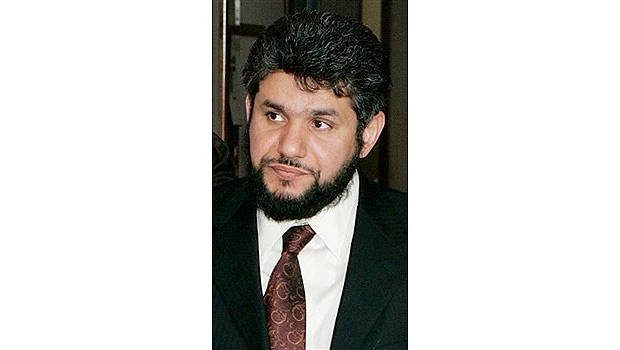
- RIYADH: Humaidan Al-Turki, a Saudi research student who was convicted in 2006 in the United States of abusing his maid, will come up before a parole committee at Limon Correctional Facility, Colorado, on Monday in a fresh bid to be discharged.
Al-Turki was sentenced in August 2006 to 28 years in prison on 12 felony counts of false imprisonment, unlawful sexual contact with his Indonesian housekeeper, theft and criminal extortion.
But Al-Turki, on appeal, got his sentence reduced. He received a revised sentence of eight years in February this year, instead of the 28-year imprisonment he was handed by a Colorado court.
According to Al-Turki's family spokesperson Fahd Al-Nassar, the defense team has filed for a parole hearing after Al-Turki had completed half of his sentence.
The parole committee meets usually to review discharge requests for those who have already spent half of their jail time. Apart from this, other considerations factored in while requesting parole, such as humanitarian conditions of the prisoner and his family, security and political issues related to the case as well as the costs.
The committee, which comprises representatives from the state court and the FBI, will decide the future of Al-Turki. "He will either be released from prison or deported to the Kingdom," said Al-Nassar.
Al-Nassar is optimistic of Al-Turki being paroled. He said the committee will weigh the trial’s costs, which has proven to be a burden on the state, and the lawsuit Al-Turki filed against the facility authorities for not providing him treatment for his ill health in deciding on Al-Turki’s parole.
Al Turki, according to Al-Nassar, has been suffering from acute renal complications since August last year. Al-Nassar expects the state will not risk spending more by keeping Al-Turki imprisoned. He also believes the support the Saudi Embassy has provided to Al-Turki would be crucial. Also documents and letters supporting Al-Turki’s good behavior in prison would be taken into account.