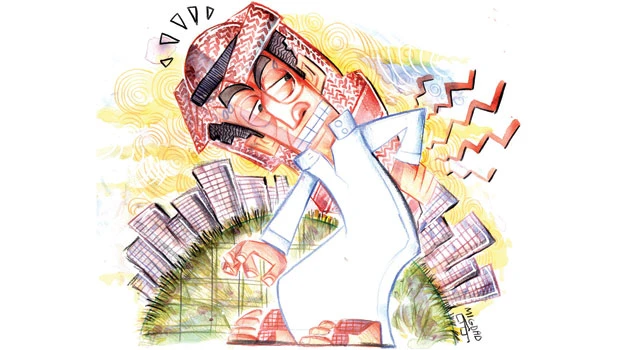
- In our modern days of sedentary lifestyles, deskbound jobs and obesity, we see more and more complaints of chronic back pains, spinal muscle spasms and disc problems, which result in loss of sleep, joie de vivre and productivity; absenteeism; high medical costs and disability for young sportsmen and older people alike.
Incapacitating and excruciating back pains have led many sufferers to resort to powerful painkillers and ultimately to surgery before exploring alternative options. Such procedures may or may not give the desired results, leading to worsening and debilitating back and leg pains, disc damage, reduced mobility, sometimes paralysis and of course psychological trauma.
Rather than rushing into surgery, some wise back-pain patients seek treatment with complementary and alternative therapies. Such approaches start by investigating the underlying cause of back problems. Such problems are usually precipitated by inactivity, bad postures, obesity and stress.
Pain and distortion of spine can be triggered by bad postures such as slouched backs with relaxed abdominal muscles, straining back muscles and deforming the spine, especially in children. Immobility of the spine in hunched positions can make room for inflammation and bulging of spinal cord, instigating severe pain and discomfort. Strained back muscles and disc injuries, provoked by wrong movements, exercising at the gym, or long-term inactivity, have recently become very common. Here are some of the injuries and genetic deformities that can trigger severe back pain.
Spinal stenosis is a condition where the spinal canal becomes very tight, squeezing the spinal cord. This genetic form appears at a later age, putting pressure on vertebrae and distorting and inverting them, tightening the space between nerve and bone. Fearing paralysis, surgeons strongly recommend surgery to relieve the spinal cord, pinched nerves, pain and numbness in the extremities. Magnetic resonance imaging (MRI) has facilitated the diagnosis of the condition and other back problems.
Another common reason for back surgery is a herniated disc. Some very painful conditions are caused by a disc pinching a nerve, which requires surgery to relieve pain. However, not all bulging discs as MRIs show it need surgery. Most people live with it painlessly. Sometimes the pain can arise from other causes, making surgery unnecessary as pain persists even after the procedure. According to studies, many herniated discs heal well within six months without surgery, unless the disc hits on the sciatic nerve.
Since back pain is not a disease but a symptom, there is a need to treat the underlying cause. A holistic approach does that to heal back problems. Natural approaches have been reportedly sometimes more effective in the long run than most anti-inflammatory drugs, surgery or conventional treatments. In certain cases, both conventional and natural therapies can be combined.
Alternative health care providers such as specialized chiropractors manipulate the vertebrae to ease pressure on discs and pinched nerve, creating more flexibility and mobility. The licensed chiropractor tries to realign the spine as asymmetry causes severe pains and immobility.
Thermal treatments, physiotherapy and deep-tissue massage with essential oils and hot packs loosen up muscles and scar tissue leftover from old injuries. Because of stiffened muscles resulting from scar tissue, other muscles compensate for stiffness, causing imbalance and pain.
Yoga with a professional can help ease pain; increase maneuverability of joints and flexibility of muscles; strengthen bones and decrease vertebrae rigidness caused by scar tissue. The yoga instructor should be knowledgeable in order to help the condition. Scar tissue is caused by fat tissue and collagen haphazardly repairing injuries and wounds. However, when massage is applied or therapeutic yoga is practiced immediately after the injury, the treatments help break up lumpy and irregular tissue.
On the other hand, acupuncturists handle the problem differently. The fine needles inserted beneath the skin surface activate nerve endings and stimulate blood flow in the injured area. The treatment relieves pain by making the brain secrete a natural painkiller substance. Improved blood circulation in the joints and muscles promote repair and healing. With better oxygen circulation, inflammation is reduced and tissue repair is encouraged, both of which relieve pain, making knotted muscles relax.
Exercise, activity (walking, swimming) and strong abdominals are extremely important to keep the spine, bones and muscles in a good condition. It is critical to avoid lifting heavy weights with bent backs unless knees are bent and abdominals contracted. Weight lifting should be done under the guidance of a professional to prevent spine, muscle and ligament injuries.
The above holistic treatments require dietary and lifestyle modifications along with supplements. Some back pain sufferers may have magnesium and calcium deficiency that lead to muscle spasms. For joint pains, glucosamine is recommended. Those who suffer severe pains from inflammation would need proteolytic enzymes like bromlain from pineapple, papain from papaya and animal-derived pancreatin. Such enzymes help breakdown proteins, which cause inflammatory disorders. As supplements, they should be taken on an empty stomach for faster action. Diets rich in enzyme–rich raw vegetables (heat destroys enzymes), fruit (papaya, pineapple, mango), sprouted grains and spices (turmeric, cinnamon, clove, gingerroot) detoxify the different body systems; reduce inflammation; heal disorders and improve general health.
The overweight and obese suffering from back, feet and joint pain should take serious measures to lose weight to relieve their backs, muscles and joints from the excess weight. Weight loss makes them lighter to move and become more active in order to enable them to freely walk, exercise, stretch (yoga) and strengthen muscles to ease the spine and joint pain.
When you are in pain from your back, please try natural approaches before rushing into the operating room or committing yourself to long-term medication.