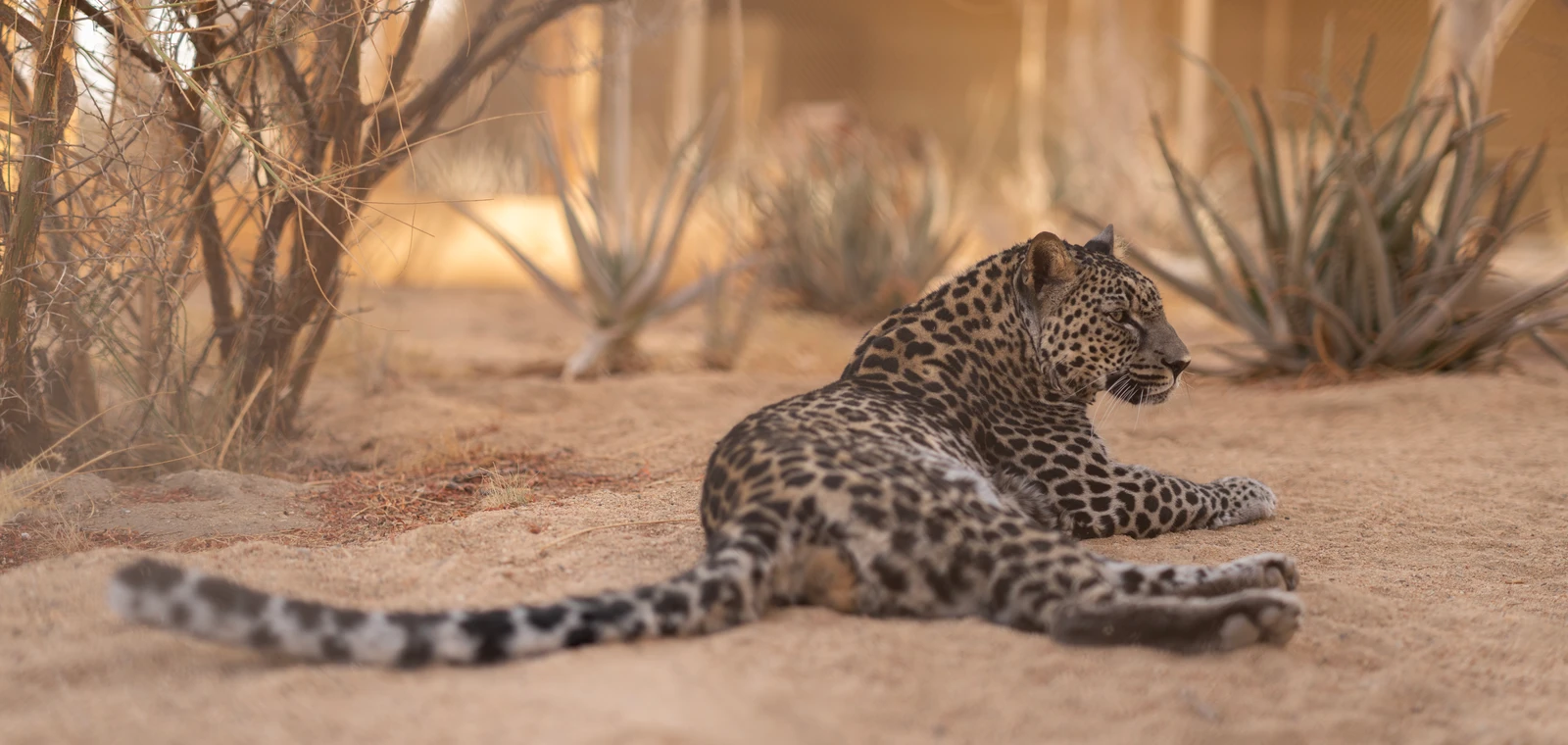
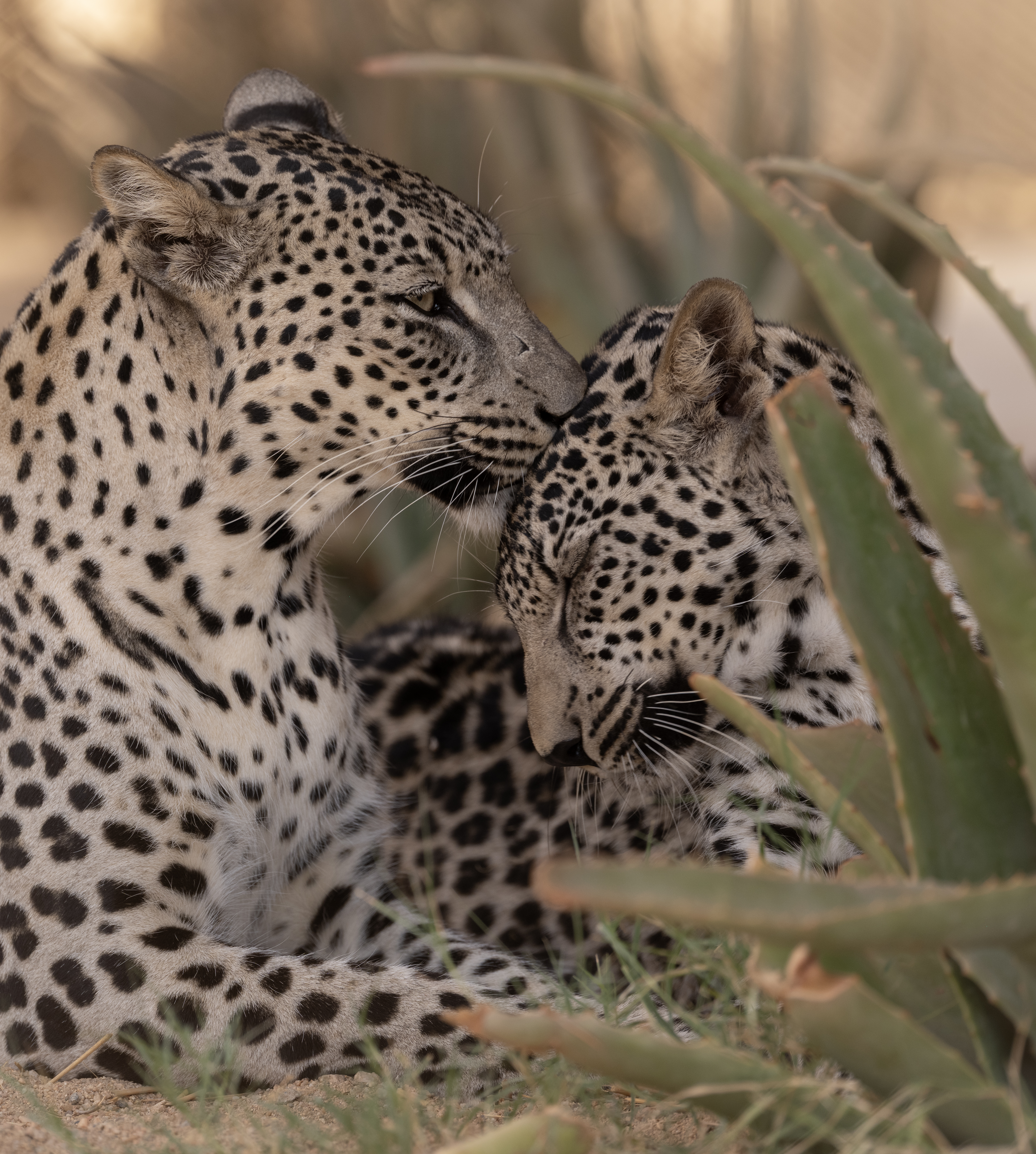
DUBAI: The Royal Commission for AlUla and the Smithsonian’s National Zoo and Conservation Biology Institute have broken ground on a dedicated Arabian leopard habitat in Washington, part of a joint effort to protect a species numbering fewer than 120 in the wild.
A breeding pair is expected to travel from Saudi Arabia’s conservation breeding program to the US zoo, subject to technical evaluations and regulatory approvals covering welfare, genetic suitability and readiness.
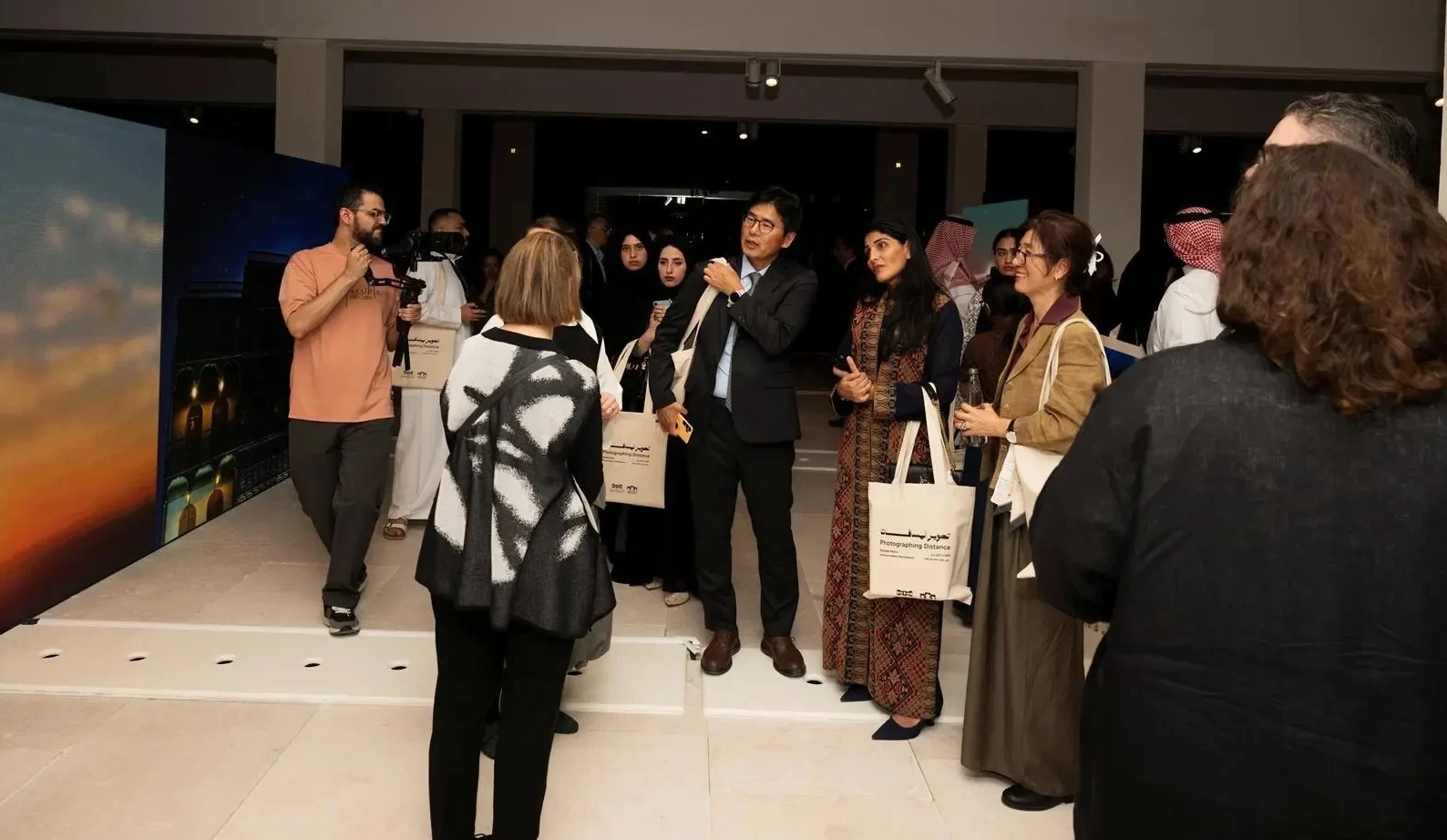
The ceremony was attended by Princess Reema bint Bandar Al-Saud, Saudi ambassador to the US; Smithsonian Secretary Lonnie G. Bunch III; and RCU CEO Abeer Al-Akel.
“Extinction is not inevitable,” said Brandie Smith, director of the National Zoo and Conservation Biology Institute, in a statement. “When we bring together exceptional animal care, cutting-edge science, sustained investment and partners committed for the long term, we can change the future for wildlife.”
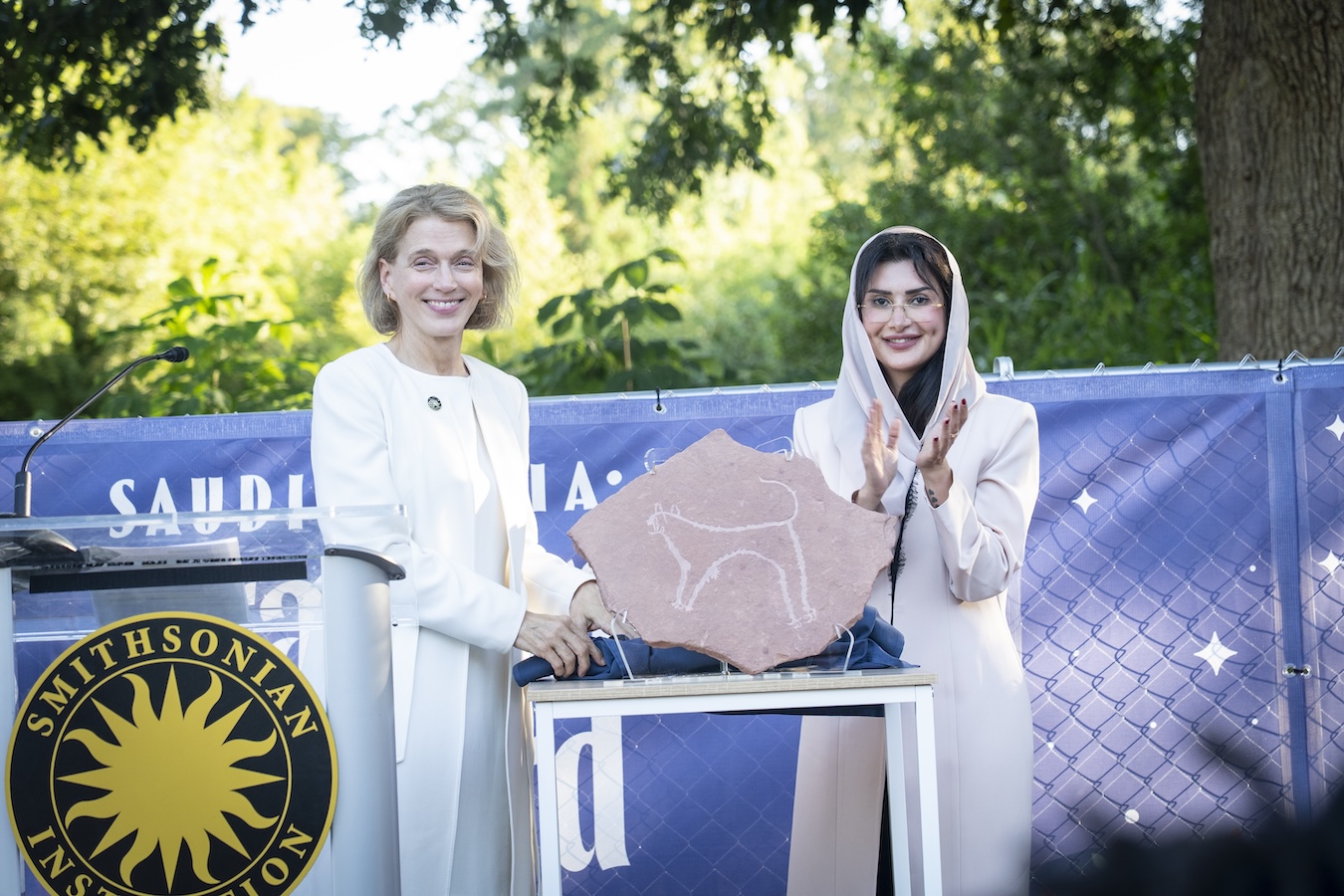
The Smithsonian was presented with a hand-carved sandstone replica of an Arabian leopard petroglyph from AlUla. The original panel, showing a leopard beneath a horse-drawn chariot alongside Dadanitic script, has been dated to between 800 B.C. and 400 C.E. The replica will form a permanent part of the exhibit.
RCU runs a conservation breeding center in Taif, the first in Saudi Arabia accredited by the European Association of Zoos and Aquaria. The managed population there has more than doubled since the commission took over the program.
“Reintroducing an apex predator to the wild is a complex, long-term scientific endeavor,” said Naif Al-Malik, vice president of wildlife and natural heritage at RCU. “It requires far more than releasing a leopard into its natural habitat; it requires restoring the ecosystem needed to support its long-term survival.”
Protected areas now cover more than half of AlUla’s land, according to RCU, and more than 74,400 hectares have been rehabilitated in Sharaan National Park, where vegetation cover has risen from about 6 percent in 2018 to 50 percent by mid-2026. More than 1,700 animals have been released into AlUla’s reserves, where breeding has been recorded.