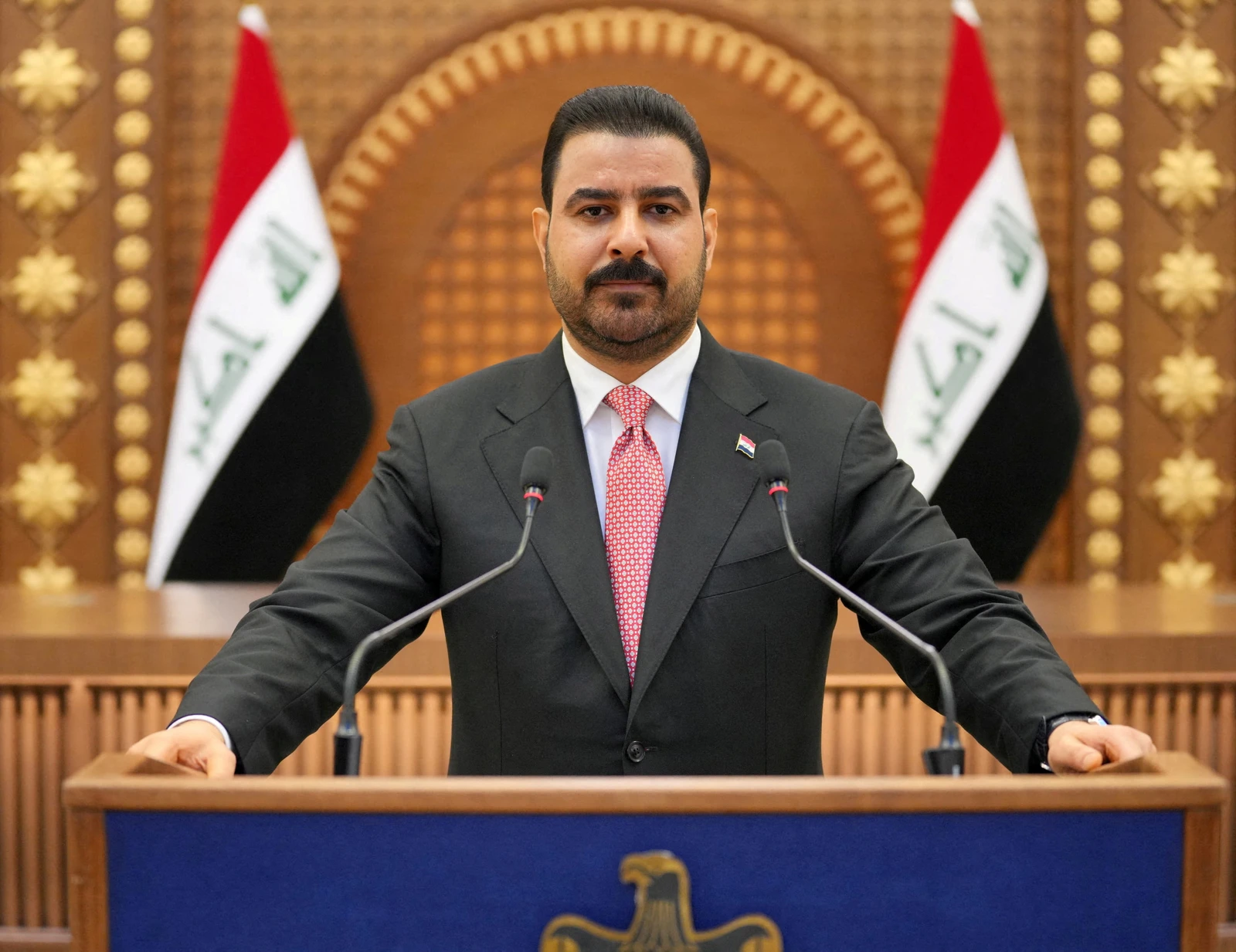
- In a separate meeting with representatives of three allied Kurdish parliamentary blocs, Al-Zaidi accused unnamed parties of attempting to drag Iraq’s Kurdish population into the oil-smuggling crisis.
- The prime minister said his government was taking strict measures to prevent oil smuggling across the country.
DUBAI: An Iraqi court on Thursday sentenced 11 people to 15 years in prison each for smuggling oil to neighboring countries, convicting them under the country’s anti-terrorism law, according to a ruling from the Supreme Judicial Council.
The Central Criminal Court in Baghdad issued the unanimous ruling, which will count the time the defendants spent in custody since September. The court did not name the countries involved.
The ruling can be appealed and is subject to mandatory review by the Court of Cassation. Parties harmed by the smuggling may also seek compensation through the civil courts once the verdict is final.
Prime Minister Ali Al-Zaidi said on Thursday that his government was taking strict measures to prevent oil smuggling across the country. Speaking at a meeting with European ambassadors, he said there would be “no backtracking” on the fight against corruption.
Zaidi said managing Iraq’s oil wealth was the responsibility of federal authorities under the constitution, and that securing the borders was the job of federal forces and the army, a responsibility he said had been confirmed by court rulings.
He also said his government was committed to the rights of Iraq’s Kurdish community and to meeting its needs, and that “there are no weapons outside the framework of the constitution and the law.”
Deploying Iraqi army “along the borders, not inside cities”
In a separate meeting on Thursday with representatives of three allied Kurdish parliamentary blocs, Al-Zaidi accused unnamed parties of attempting to drag Iraq’s Kurdish population into the oil-smuggling crisis to shield their influence and financial interests from legal prosecution.
He alleged that revenues from the Kurdistan Region were being diverted to certain groups rather than distributed among the Iraqi people, while the country's borders remained vulnerable to breaches.
The prime minister said the Iraqi army, which represents all of Iraq's communities, would be deployed “along the borders, not inside cities,” stressing that the government respected the Kurdistan Region's distinct status and the sacrifices made by the Kurdish people to establish it.
Iraq’s Integrity Commission also said two field teams had begun investigating oil-related cases.
The moves come as Iraqi authorities step up a crackdown on oil smuggling and theft.