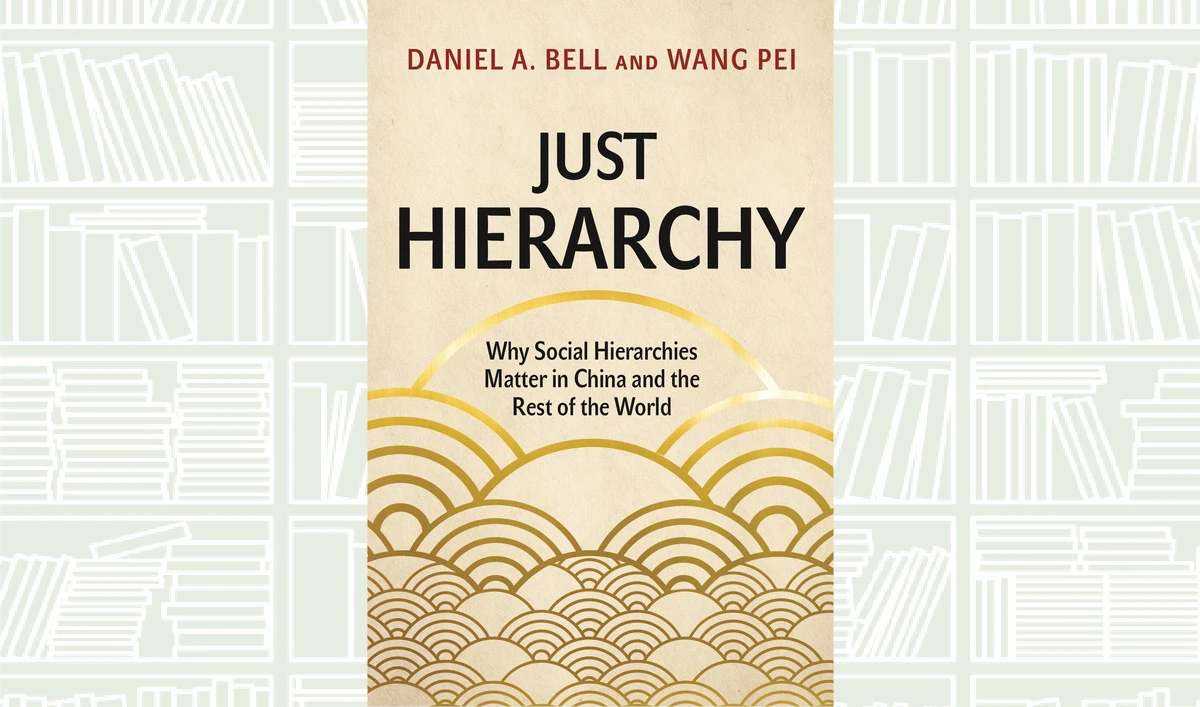
Authors: Daniel A. Bell and Wang Pei
All complex and large-scale societies are organized along certain hierarchies, but the concept of hierarchy has become almost taboo in the modern world. Just Hierarchy contends that this stigma is a mistake, says a review on the Princeton University Press website. In fact, as Daniel Bell and Wang Pei show, it is neither possible nor advisable to do away with social hierarchies. Drawing their arguments from Chinese thought and culture as well as other philosophies and traditions, Bell and Wang ask which forms of hierarchy are justified and how these can serve morally desirable goals. They look at ways of promoting just forms of hierarchy while minimizing the influence of unjust ones, such as those based on race, sex, or caste. Which hierarchical relations are morally justified and why? Bell and Wang argue that it depends on the nature of the social relation and context. Different hierarchical principles ought to govern different kinds of social relations: what justifies hierarchy among intimates is different from what justifies hierarchy among citizens, countries, humans and animals, and humans and intelligent machines.