CAIRO: The European Union’s foreign policy chief met Egyptian President Muhamad Mursi yesterday against a backdrop of sectarian violence to encourage feuding political leaders to seek a national consensus in tackling mounting problems.
“This is a critical time for Egypt’s transition. The country is facing huge economic and political challenges,” Catherine Ashton said before the talks.
Egypt is in the midst of long-delayed negotiations with the International Monetary Fund on a $ 4.8 billion loan needed to cope with a growing economic crisis.
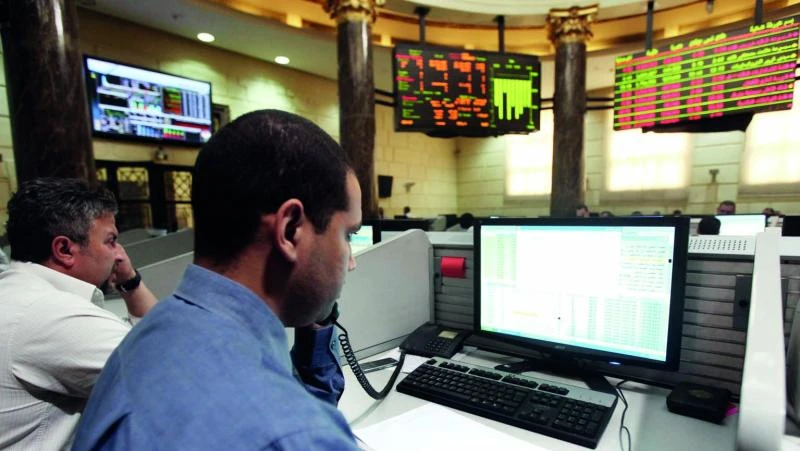
Foreign currency reserves have dwindled to less than three months’ imports, the Egyptian pound has lost nearly 10 percent against the dollar this year and there are warnings of power cuts and fuel shortages this summer.
“More than ever, Europe — as a partner and neighbor — has to support Egypt in its move towards deep and inclusive democracy. I will work hard in Cairo to engage with all parties to help build confidence and find common ground on both political and economic issues,” Ashton said.
She was due to meet six main opposition leaders later but EU diplomats said the prospect of a dialogue between the Muslim Brotherhood-led government and its liberal and leftist opponents had dimmed after recent political violence.
The opposition accuses Mursi of seeking to monopolize power and muzzle independent media and civil society using the public prosecutor, the security forces and a controversial draft law to regulate non-government organizations.
Mursi’s supporters say the opposition is trying to undermine his legitimacy and encouraging violence by refusing dialogue, threatening to boycott parliamentary elections and broadcasting hostile propaganda.
The European Parliament, in a non-binding resolution, urged the EU in March “not to grant any budgetary support to the Egyptian authorities if no major progress is made regarding respect for human rights and freedoms, democratic governance and the rule of law”.
EU officials have said that if Egypt reaches a deal with the IMF, it can expect an additional $ 500 million in financial support from the EU and a similar amount from the United States.
EU’s Ashton seeks Egypt consensus