LONDON: For a world economy coming to terms with a soaring dollar and a plunge in oil prices, this week will be all about the US Federal Reserve's policy meeting and its intentions on interest rates.
A combination of the European Central Bank printing lots of euros and expectations of a first US rate rise has caused turmoil on the foreign exchanges and in emerging markets.
The euro, which peaked at nearly $1.40 in the middle of last year, is now languishing around $1.05 and apparently headed for parity.
After successive months of strong jobs data, expectations have been growing that the Fed will point toward a June rate rise by dropping a pledge to be "patient" in considering such a move. But the dollar's surge, crimping US exports and cutting imported inflation, could cause its policymakers to pause for thought.
St. Louis Fed President James Bullard, generally viewed as a hawk, said last week the central bank risked delaying too long given the fall in unemployment.
Others expect the absence of inflation to hold sway. A Reuters poll of around 70 economists found an almost even split between the first move coming in June or later in the year.
"Under our base case, continued inflation weakness will get the Fed to change its tune and refrain from hiking rates in June," said Michael Hanson, senior economist at Bank of America Merrill Lynch in New York.
"But the Fed does not appear ready to capitulate yet, and will probably keep a June rate hike front and centre in the minds of market participants."
One question is whether the world's big powers, which have hitherto accepted dramatic currency moves as part and parcel of efforts to galvanize growth, will start to grumble about competitive devaluations and a race to the bottom.
The euro has dropped a hefty 25 percent versus the dollar since around the middle of 2014.
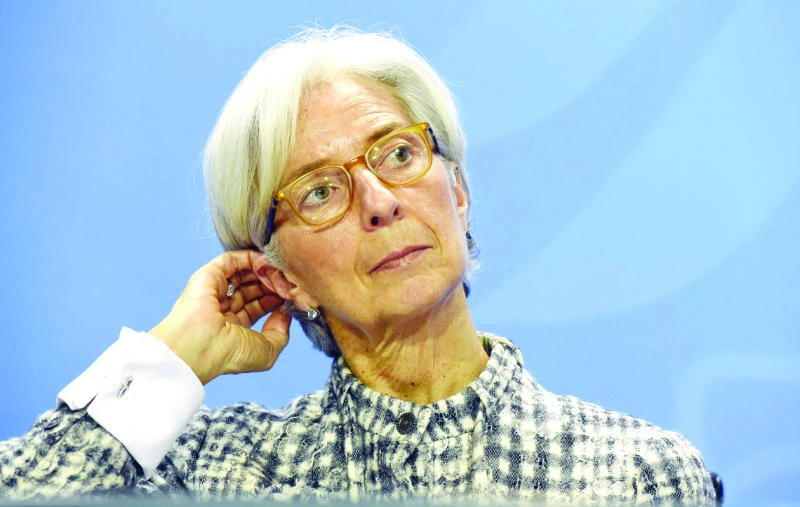
International Monetary Fund chief Christine Lagarde flagged the risks of divergent monetary policies, given expectations of the Fed normalizing policy while the ECB and Bank of Japan continue to print money.
"This will clearly involve more volatility and it will also have currency impact in that those countries or corporates that have borrowed extensively in dollar-denominated loans are going to suffer," she said.
Goldman Sachs now expects the euro to slide to $0.80 by the end of 2017.
It's a big week for central banks, and they have been busy.
Twenty-four of them have eased policy this year in an attempt to revive sluggish economies.
The Bank of Japan delivers its latest policy decision on Tuesday, a day before the Fed, and is expected to maintain its aggressive asset-buying campaign.
Policymakers continue to talk up the prospects of pushing inflation back towards its 2 percent target, but many economists expect the BOJ to ease again sometime this year, as weak oil pushes prices down.
Has the Fed’s ‘patience’ been exhausted?