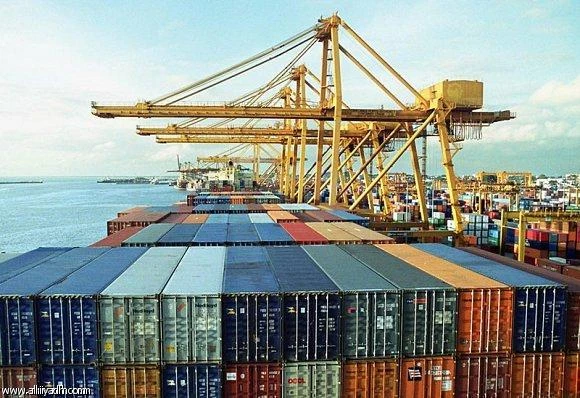
RIYADH: Growth of Saudi Arabia’s nonoil private sector eased at the start of Q4, with output, new orders and employment rising at weaker rates.
That said, despite the loss of momentum, the sector remained firmly in expansionary territory overall. Data for prices provided a further cautionary note, however, as purchasing costs increased at the sharpest pace since July 2014. Charges rose only marginally, with competitive pressures preventing higher costs from being passed immediately onto clients.
The survey, sponsored by Emirates NBD and produced by Markit, contains original data collected from a monthly survey of business conditions in the Saudi private sector.
Commenting on the Emirates NBD Saudi Arabia PMI, Khatija Haque, head of MENA Research at Emirates NBD, said: “The October PMI data points to a slower rate of growth in the nonoil private sector as we head into the fourth quarter, which is unsurprising in the context of sharply lower oil revenues and tighter liquidity conditions. However, the rate of expansion in the nonoil sector is still relatively robust, and overall GDP growth will also be underpinned by higher oil production this year.”
Key findings: Business conditions improve at weakest pace in survey history; rates of growth in output, new orders and employment all ease since September; and cost pressures pick up to 14-month high.
The headline seasonally adjusted Emirates NBD Saudi Arabia Purchasing Managers’ Index (PMI) — a composite gauge designed to give a single-figure snapshot of operating conditions in the nonoil private sector economy — dropped for the second straight month to 55.7, from 56.5 in September.
The October reading was the lowest in the survey’s history, and highlighted a further loss of growth momentum from the five-month high seen midway through Q3 (58.7). Nonetheless, it still pointed to a solid improvement in business conditions overall.
The slowdown of the sector as a whole in October was partly driven by a weaker expansion in new business. Latest data showed new orders rising at the least marked rate since the series began in 2009, with panelists indicating that slower market conditions had restricted some of the gains from improving demand and marketing initiatives. Growth of new export work also eased, but remained stronger than the long-run average.
As a result, nonoil private sector output in Saudi Arabia rose more slowly during October. The respective index held up better than that for new business, however, and signaled a marked rise that was only slightly weaker than in September. Enhanced marketing was cited as a factor behind the increase in activity.
For the 19th month in a row, job creation was evident in Saudi Arabia’s nonoil private sector. That said the rate of hiring eased to a three-month low. Meanwhile, backlogs of work were accumulated at the weakest pace since mid-2014. Data suggested that the degree of pressure on operating capacity was lessened by slower growth of incoming new work.
Similarly, the rate of expansion in purchasing activity eased to a near-one year low during October. Nonetheless, it was marked overall and led to another solid rise in pre-production inventories held by Saudi Arabia’s non-oil private sector firms.
On the price front, total cost pressures intensified in October. The overall rise was underpinned by the sharpest increase in purchase prices since July 2014, which was attributed in turn to stronger demand for inputs. In contrast, output charges rose only fractionally, amid reports that greater competition had limited inflationary pressure from rising raw material costs.
Kingdom’s nonoil private sector output slows down