- Qatar's non-hydrocarbon economy now constitutes nearly 70% of its GDP, a significant increase from 40% in 2011.
- The non-hydrocarbon sectors recorded a 3.5% growth in the first quarter of 2026, despite regional challenges.
- Qatar has improved its fiscal position, with national debt decreasing to about 40% of GDP from around 60%.
- Key non-hydrocarbon sectors such as construction, retail, real estate, and finance all showed robust year-on-year growth in early 2026.
- Despite disruptions to its LNG industry, Qatar is on track to double its production capacity to 145 million tonnes per annum by 2030.
- Qatar Investment Authority is focusing on long-term investments in technology and innovation to support economic diversification and sustainability.
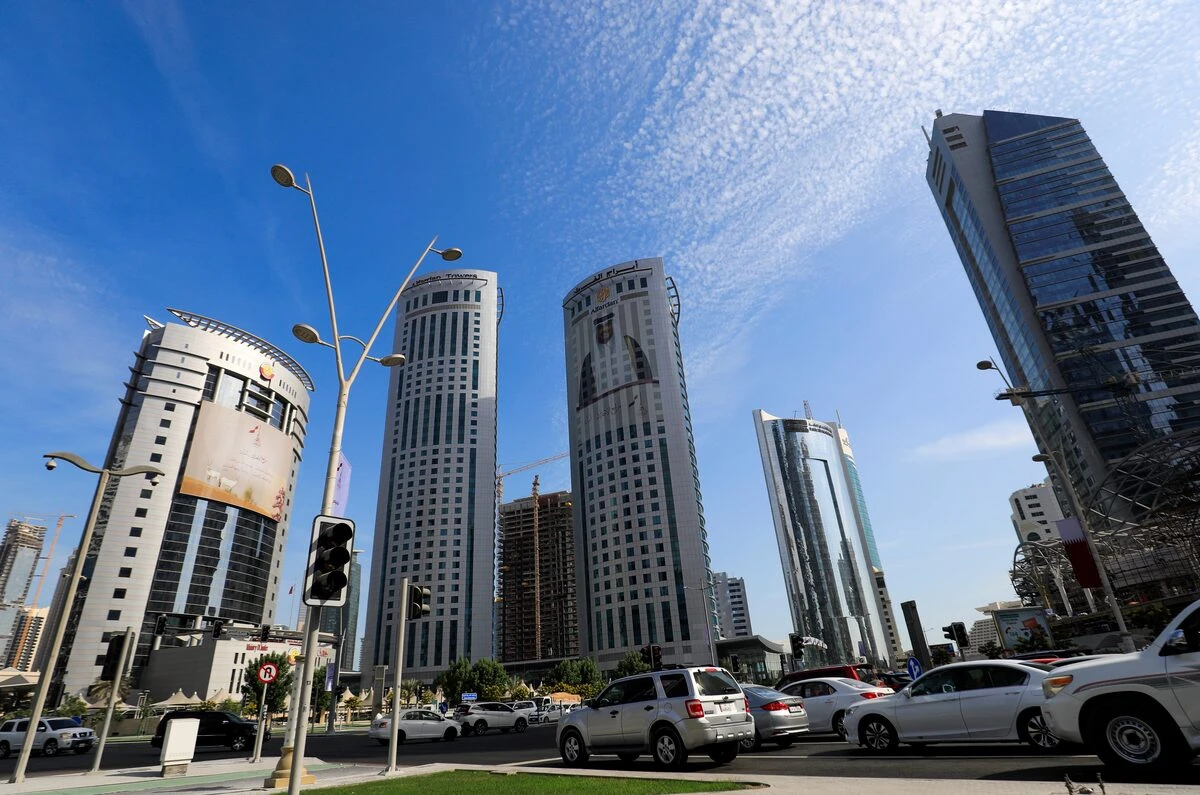
RIYADH: Qatar’s non-hydrocarbon economy now accounts for nearly 70 percent of gross domestic product, up from 40 percent in 2011, as the country continues to strengthen economic diversification, according to a top official.
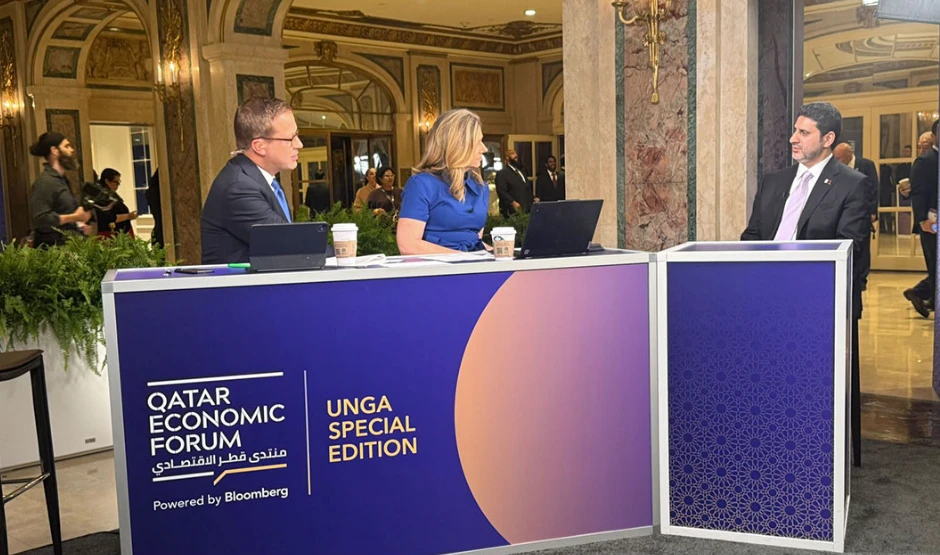
In an interview with Bloomberg TV on the sidelines of the Qatar Economic Forum, Sheikh Bandar bin Mohammed bin Saoud Al-Thani, the governor of the country’s central bank and chairman of the its investment authority, explained that the non-hydrocarbon economy recorded 3.5 percent growth in the first quarter of 2026 despite regional challenges, the Qatar News Agency reported.
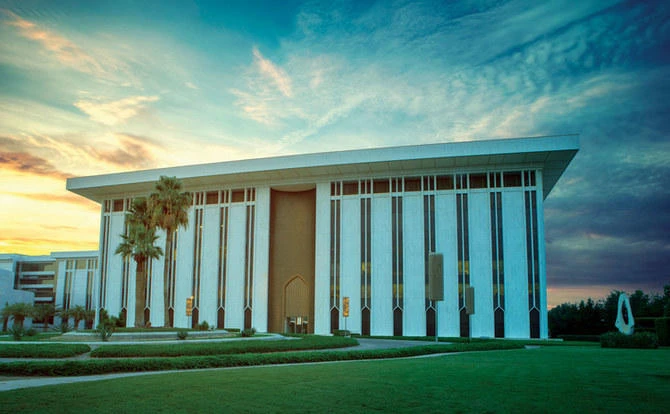
Qatar has also strengthened its fiscal position in recent years, with debt falling to about 40 percent of GDP, down from around 60 percent, while maintaining an AA sovereign credit rating, Al-Thani said.
Qatar’s non-hydrocarbon sectors continue to expand
The country’s non-hydrocarbon economy has continued to expand across several sectors, with construction growing 6.2 percent year on year in the first quarter of 2026, followed by wholesale and retail trade at 9 percent, real estate at 6.1 percent and financial and insurance activities at 4.8 percent, according to the National Planning Council.
The war between Iran, Israel and the US that began in February has disrupted Qatar’s liquefied natural gas industry, with Iranian attacks on Ras Laffan Industrial City damaging several LNG facilities and halting about 17 percent of the country’s LNG export capacity, the country’s Minister of State for Energy Affairs Saad bin Sherida Al Kaabi said in March. He added at the time that the damage could affect operations for up to five years.
“Despite the damage sustained by liquefied natural gas facilities, we are proceeding with our expansion plans,” Al-Thani said.
He added: “We are working on a new expansion project that will double our production capacity to 145 million tonnes per annum by 2030.”
Qatar builds financial strength, pursues new investment opportunities
Al-Thani also noted that Qatar enjoys a strong external financial position, with substantial reserves at the QCB and one of the world’s largest sovereign wealth funds. These factors bolster the country’s ability to withstand challenges and capitalize on growth opportunities as conditions in the region improve.
He added that the Qatar Investment Authority has adopted a long-term investment strategy aimed at generating sustainable value for future generations, with an increasing focus on technology, artificial intelligence, and innovation, particularly in the US, alongside continued investment across diverse sectors to support its diversification strategy.
The governor underlined that QCB is implementing 18 artificial intelligence projects, four of which have been completed to date. These projects have contributed to cost reductions and accelerated workflows, underscoring the commitment to continued investment in this technology and the leveraging of its potential to enhance the bank’s operations.