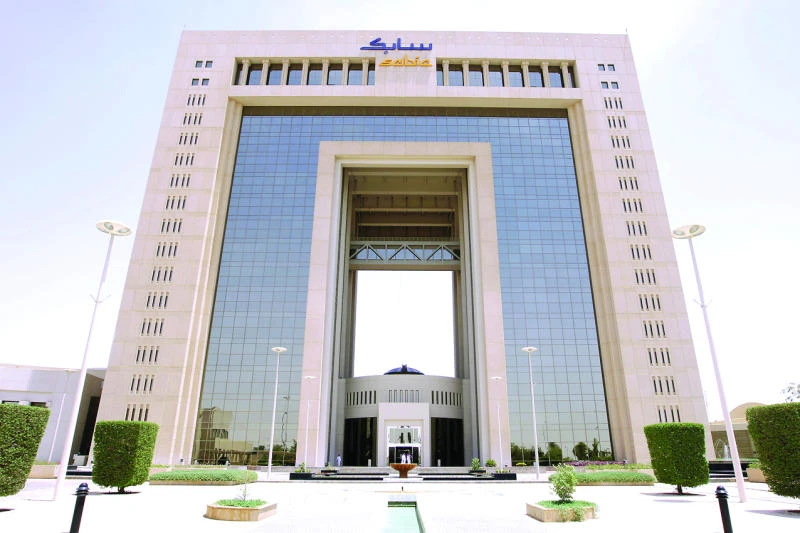
Shares of Saudi Basic Industries Corporation (SABIC) rose 36 percent in April, on the back of rising oil prices, according to a report.
Kuwait Financial Center ‘Markaz’ recently released its monthly market research report.
In this report, Markaz examines and analyzes the performance of equity markets in the MENA region as well as the global equity markets for the month of April.
Overall MENA markets had a positive month in April, as Brent crude rose 21.2 percent, while the geopolitical situation in the Middle East continued to worsen.
Dubai (20.3 percent) and Saudi Arabia (12 percent) were top gainers, while Egypt (-4.9 percent), Bahrain (-4.1 percent) and Morocco (-3.2 percent) ended the month in red.
The S&P GCC index closed the month at 127 points, registering a 10.1 percent increase in April.
Kuwaiti indices rose marginally due to rise in oil price and after the CMA announced plans changes to bring market practices in line with international norms.
Brent crude gained 21 percent in April, its best monthly gain in 6 years, aided by a weakening dollar, due to weak US economic data, and sentiment regarding easing of the supply glut. Concerns over the ongoing situation in Yemen and the strike in Libya, which forced closure of the El Feel oil field, have also eased supply.
However, talks between world powers and Iran over a deal to restrict sensitive nuclear work in return for an easing of sanctions are nearing their final stages. Easing of sanctions could bring more supply to the market, which would put a downward pressure on prices.
Positive corporate earnings and rising oil prices buoyed the Dubai Financial Market General Index (DFMGI) in April.
The index breached the 4,200 mark, and touched a high of 4,229 points for the year.
Saudi markets rose on the back of rising oil prices despite rising output.
Egypt’s stock market was affected by the introduction of taxes on capital gains and dividends, although hopes of amendments to new tax laws remain.
While volume traded rose in April by 66 percent, value traded rose marginally by 0.2 percent across most MENA markets.
Volume traded rose by over 150 percent in Abu Dhabi, Dubai and Bahrain, and Dubai also witnessed almost 160 percent increase in volume traded.
In terms of valuation, P/E of Oman, Bahrain and Abu Dhabi markets are lower at less than 11x.
With the possibility of increase in supply of oil from Iran, it remains to be seen if OPEC members will continue to hold firm with their present strategy.
Blue chips had a positive month as nearly all ended the month in green.
Shares of SABIC rose 36 percent in April, on the back of rising oil prices, while Emaar Properties increase in Q1 profit by 7 percent contributed to its 25 percent increase. Positive earnings also buoyed National Commercial Bank (11 percent) and Saudi Telecom (16 percent).
Regulatory changes
in the region
In a bid to improve the country’s standing in the World Bank’s Doing Business rankings, UAE Securities and Commodities Authority (SCA) had issued new rules to protect minority shareholders and to make share trading more transparent, including regulations covering halts to trading in companies’ shares.
The UAE is ranked 22nd overall in the World Bank’s most recent Doing Business report, the highest in the GCC, but is ranked only 43rd in terms of protecting minority investors.
To improve the investment environment in the country and raise its classification to emerging market, Kuwait’s Capital Markets Authority has sought to bring its practices in line with international norms.
The new plans will separate the settlement of trades from its central depository, and make the time allowed for the transfer of securities the same for all investors.
SABIC shares gain 36% in April as rising oil buoys GCC markets