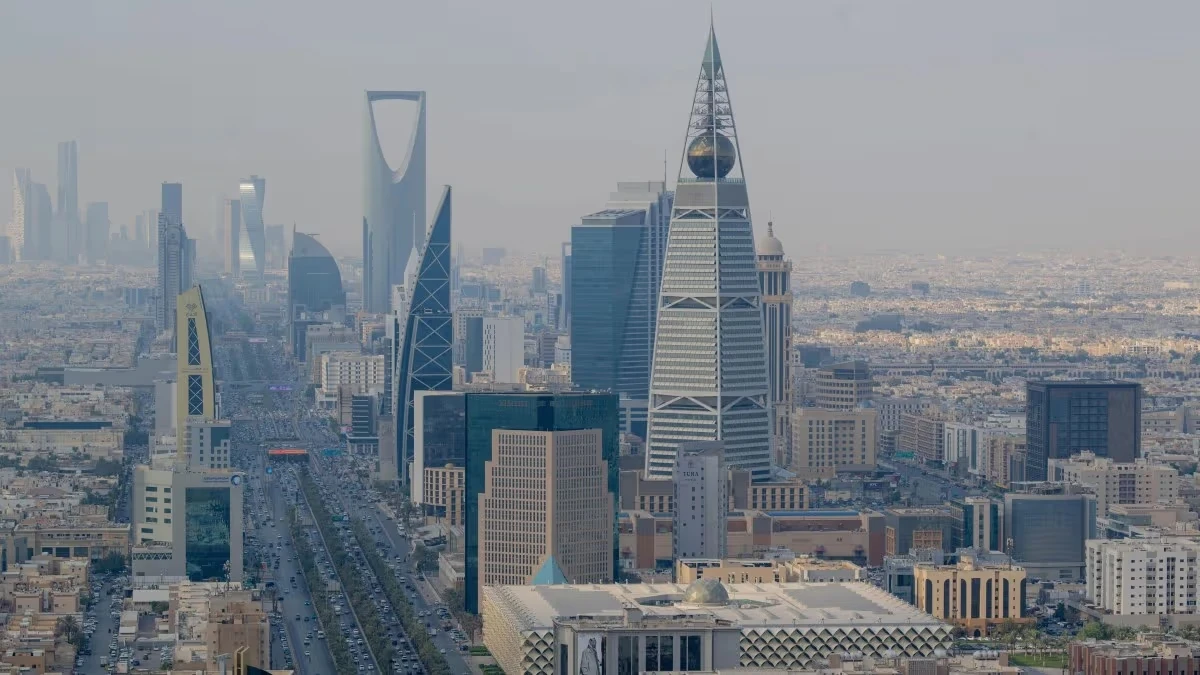
A total of 74 percent of Saudi youth say their country’s economy is heading in the right direction, with 57 percent optimistic about the nation’s future.
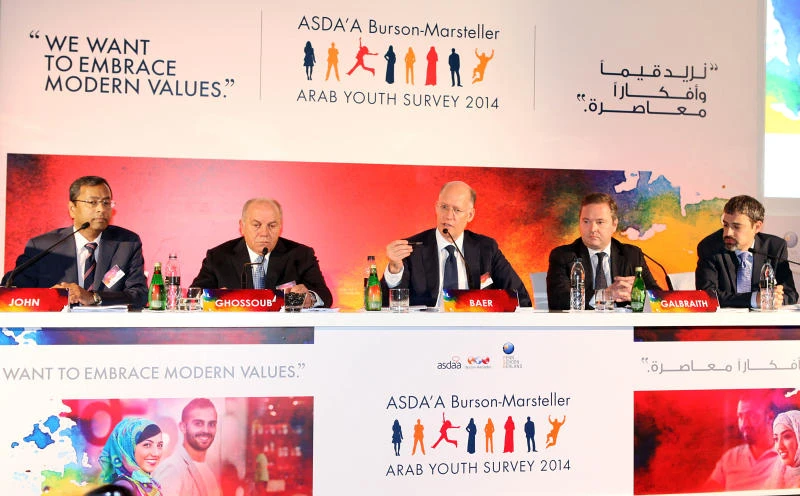
These are some of the findings contained in the sixth annual ASDA’A Burson-Marsteller Arab Youth Survey.
The survey revealed that 62 percent of Saudi youth are concerned about the rising cost of living in the Kingdom, with 26 percent somewhat concerned.
A total of 55 percent said that traditional values are important and should be preserved for generations to come, while 45 percent said that these values are outdated.
The survey showed that 75 percent of Saudi youth want the government to subsidize energy, electricity and transport fuel.
A total of 39 percent of Saudi youth are very concerned about unemployment and 32 percent somewhat concerned.
The survey covers 16 Arab countries, including the six Gulf Cooperation Council (GCC) states, and Algeria, Egypt, Iraq, Jordan, Lebanon, Libya, Morocco, Palestine, Tunisia and Yemen. The survey did not include Syria due to the civil unrest in the country.
The researchers conducted 3,500 face-to-face interviews between December 2013 and January 2014 with Arab men and women in the age group of 18 to 24. There were 200 respondents for each country, except for the UAE,, Saudi Arabia and Egypt with 300 respondents each, Iraq with 250 and Palestine with 150.
The top 10 findings of the survey show that a growing number of Arab youth are adopting modern values “as digital technology reshapes behavior and attitudes.”
“However, family, friends, parents and religion still have the most influence on youngsters and their outlook on life,” the study stated.
Arab youth are confident in their governments’ ability to deal with a wide range of issues including living standards, economic stability and unemployment but the positive momentum felt during the Arab Spring is declining.
“For the fourth year running, Arab youth cite the rising cost of living as their biggest concern, closely followed by anxiety about unemployment, which has been steadily rising year-on-year,” the survey stated.
“The majority of Arab youth believe that civil unrest is the biggest obstacle facing the Middle East and will define the region’s ability to thrive in the future.”
“More Arab youth are likely to start a business than in previous generations. Though the government sector remains a popular choice, an increasing number of young Arabs would like to work in the private sector,” it said.
For the third year running, most Arab youth believe that the UAE remains the most popular country to live in, at 39 percent, followed by the US at 21 percent, Saudi Arabia at 14 percent, and Qatar and France at 13 percent each. Most also want their countries to emulate the UAE.
When asked about their country’s biggest ally, Arab youth chose their GCC neighbors over traditional western countries.
Concern about obesity and diabetes is rising but many young Arabs believe that health care in their country has not improved in the last 12 months, the study stated.
Nearly 70 percent of young Arabs believe they are entitled to subsidized utilities and petrol, and while concern about climate change is rising, it ranks significantly behind other issues in terms of priority.
Television remains the most dominant source of information for the sixth consecutive year but more Arab youth are going online to get their news, the study stated.
Bashar Al-Kadhi, the organization’s chief operating officer, told Arab News the aim of the survey was to provide evidence-based insights into youth behavior.
Joseph Ghossoub, chairman and CEO of the MENACOM Group, the regional parent company of ASDA’A Burson-Marsteller, said: “Almost a trillion-dollar economy, Saudi Arabia has long been a regional powerhouse led by its strong oil reserves and production capacity. What the survey findings highlight is the trust of the region’s largest demographic in the role of the Kingdom as a strong political player. The Kingdom’s firm stand on regional and international issues has inspired their confidence in Saudi Arabia to steer dialogue and action.”
Sunil John, CEO of ASDA’A Burson-Marsteller, said: “Saudi Arabia is increasingly becoming the key architect of the Arab world’s foreign policy, having outlined bold and clear directives that Western allies are expected to honor. The findings mark a significant shift in the foreign policy outlook of youth in the Arab world and also underline the growing prominence of the GCC governments.”
The 2014 Arab Youth Survey, commissioned by ASDA’A Burson-Marsteller and conducted by the international polling firm PSB, involved 3,500 face-to-face interviews with Arab national men and women aged 18-24, covering 16 countries, and is the largest polling since the annual study began in 2008.
Saudi youth upbeat on economic direction