TOKYO: Toyota on Wednesday recalled 625,000 hybrid vehicles globally, mostly the Prius model favored by the eco-conscious including Hollywood celebrities, over a defect that can bring the car to an unexpected stop.
The Japanese automaker said the problem was linked to software that controls a power converter, similar to an issue last year that led to the recall of 1.9 million Prius cars — Toyota’s biggest ever for its signature petrol-electric vehicle.
Toyota, the world’s biggest car maker, added that no accidents or injuries had been reported.
“In limited instances, the hybrid system might shut down while the vehicle is being driven, resulting in the loss of power, bringing the vehicle to stop,” it said.
The latest call back affected the Prius V, which is also sold as the Prius Alpha and Prius+, as well as some Auris hybrid vehicles.
More than half the recalled vehicles were sold in Japan with most of the others in North America and Europe between May 2010 and November 2014.
The Prius was one of the first hybrid cars to go mainstream and was quickly adopted as a symbol of green technology, with the likes of actors Leonardo DiCaprio and Cameron Diaz snapped behind the wheel.
Toyota has sold more than seven million hybrid cars globally since the debut of its Prius hybrid in 1997 in the first mass production of green cars.
It has roughly 30 hybrid models sold in more than 90 countries worldwide.
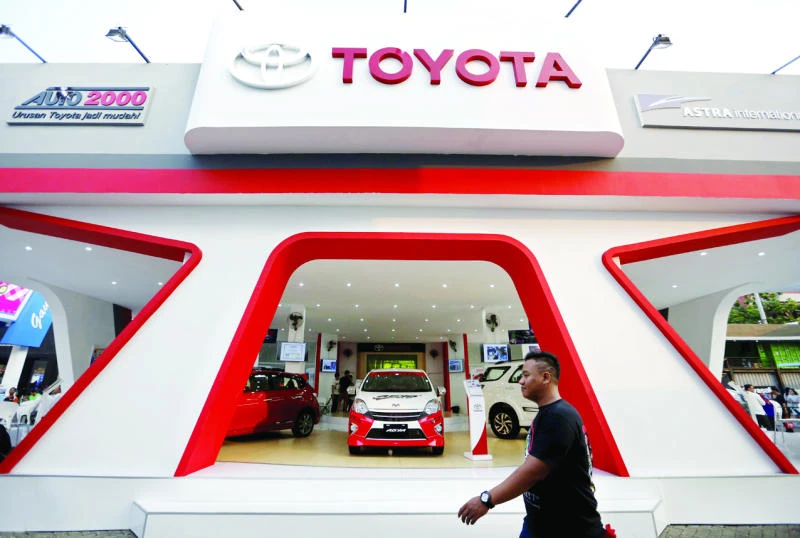
In another development, Japanese automakers are sticking to their targets in Indonesia in defiance of the longest sales decline in six years, resorting to steep discounts to entice tight-spending consumers into showrooms that remain stubbornly empty.
Honda Motor Co. Ltd, Nissan Motor Co. Ltd. and Mazda Motor Corp. aim to sell more cars this year than last, though overall sales to distributors have fallen each month since September and are down 18 percent in 2015.
“The decline is pretty drastic,” said dealership salesman Jonatan, whose monthly average sales of Toyota Motor Corp. cars was four versus eight last year.
“We certainly have to work extra hard to sell cars these days.”
Auto sales are a key indicator of consumption in Indonesia, where the economy is growing at its slowest since 2009, and where 7 percent inflation is eroding purchasing power. Consumers are consequently reserving more money for primary needs, the central bank said last month.
In response, automotive industry association Gaikindo in June lowered its sales forecast for this year to a range of 1 million to 1.1 million vehicles from 1.2 million.
“We are struggling with the market slowdown,” said PT Honda Prospect Motor director Jonfis Fandy.
The firm has been trying to boost sales since early in the year via promotions usually reserved for Indonesia’s annual automotive exhibition in August, to meet Honda’s target sales increase of 10 percent.
Promotions include discounts on down payments, low-interest loans, and extending instalment periods to seven years from around four. Honda has sold 1.4 percent more cars as of end-May.
At Mazda, which aims to sell 9 percent more cars, one customer said he was offered 11 percent off a 450 million rupiah ($33,860.05) sports utility vehicle.
Toyota recalls 625,000 Prius cars, other hybrids globally