New research into using wood to provide low-cost clean drinking water and reducing the amount of pesticides needed for crop production are among several new projects being developed by the Abdul Latif Jameel World Water and Food Security Lab (J-WAFS) at the Massachusetts Institute of Technology (MIT).
Co-founded in 2014 by Community Jameel and MIT, J-WAFS promotes the development and deployment of technologies, policies, and programs that target diverse challenges related to the world’s water and food systems.
Some of the technologies being developed this year include:
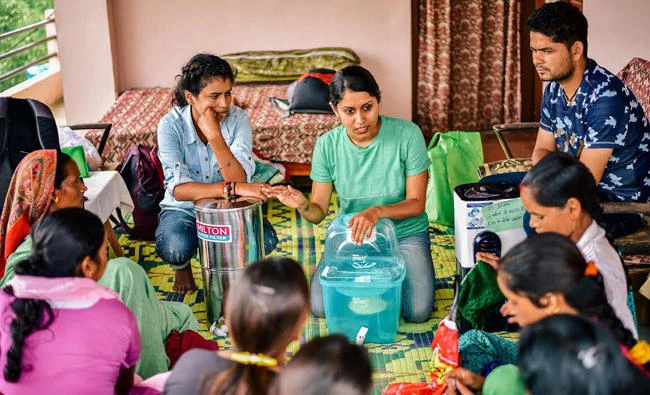
• Developing a low cost water filter using wood.
• Using electrically charged polymers to reduce the amount of pesticides sprayed on crops.
• Using smartphone technology to detect harmful bacteria in food.
• A handheld device to easily test milk quality.
• Increasing the efficiency of irrigation waters to meet crop nutrient requirements.
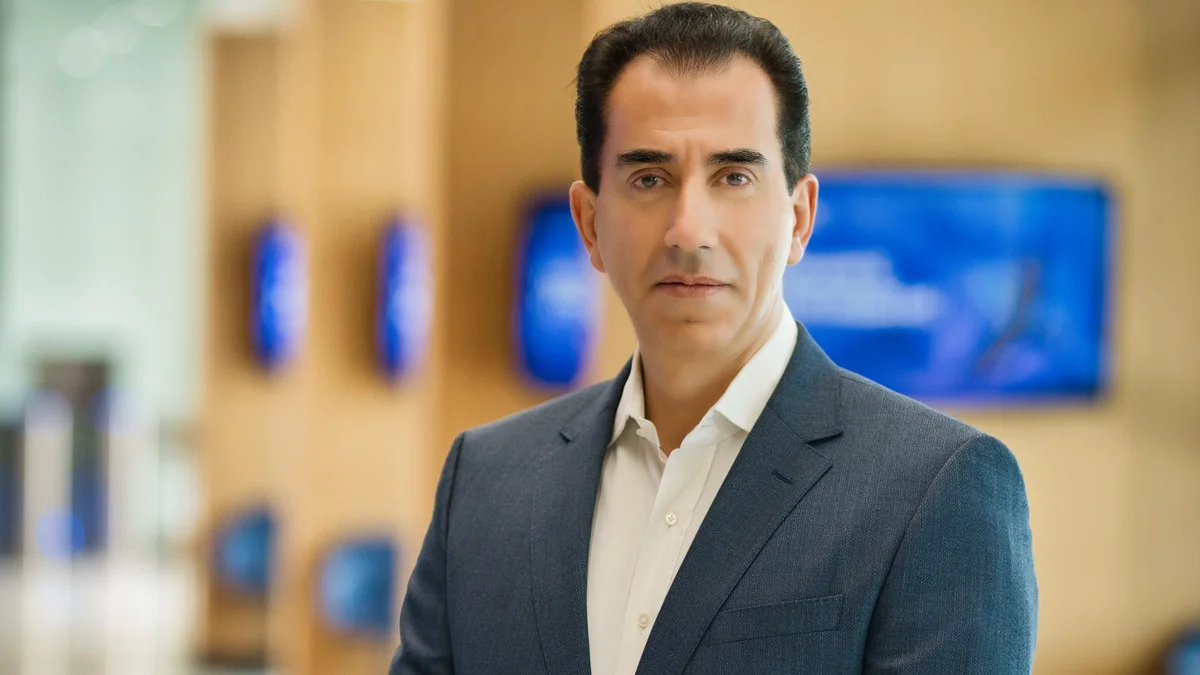
Fady Mohammed Jameel, president of Community Jameel International, said: “From using wood to provide clean drinking water, being able to easily test the quality of milk in rural communities, and reducing the amount of pesticides being sprayed on crops, the research we are supporting at MIT has the potential to make a real difference to some of the most vulnerable people in the world. With rising populations, climate change and urbanization, we need to start taking action now to meet the world’s future needs for food and water.
“Community Jameel is proud to be a key partner of MIT in tackling some of the most pressing issues related to food and water safety and security in the Middle East and around the world.”
John Lienhard, the Abdul Latif Jameel professor of water and food at MIT, said: “MIT was created to move innovative research into the real world, including a distinguished legacy of solutions for critical needs in the water and food sectors. Today, with the effects of climate change, urbanization, and rising population, water and food security is of even greater global importance. This program serves as a catalyst for entrepreneurial faculty and students to develop and commercialize technologies that can have a positive impact on the world.”
Co-founded in 2014 by Community Jameel and MIT, J-WAFS promotes the development and deployment of technologies, policies, and programs that target diverse challenges related to the world’s water and food systems.
Some of the technologies being developed this year include:
• Developing a low cost water filter using wood.
• Using electrically charged polymers to reduce the amount of pesticides sprayed on crops.
• Using smartphone technology to detect harmful bacteria in food.
• A handheld device to easily test milk quality.
• Increasing the efficiency of irrigation waters to meet crop nutrient requirements.
Fady Mohammed Jameel, president of Community Jameel International, said: “From using wood to provide clean drinking water, being able to easily test the quality of milk in rural communities, and reducing the amount of pesticides being sprayed on crops, the research we are supporting at MIT has the potential to make a real difference to some of the most vulnerable people in the world. With rising populations, climate change and urbanization, we need to start taking action now to meet the world’s future needs for food and water.
“Community Jameel is proud to be a key partner of MIT in tackling some of the most pressing issues related to food and water safety and security in the Middle East and around the world.”
John Lienhard, the Abdul Latif Jameel professor of water and food at MIT, said: “MIT was created to move innovative research into the real world, including a distinguished legacy of solutions for critical needs in the water and food sectors. Today, with the effects of climate change, urbanization, and rising population, water and food security is of even greater global importance. This program serves as a catalyst for entrepreneurial faculty and students to develop and commercialize technologies that can have a positive impact on the world.”