- The gas turbine market is currently under significant strain, with demand outpacing supply, especially in the Middle East where electrification efforts are intensifying.
- Siemens Energy's Middle East director, Hussein Shoukry, emphasized that capacity must increase by 50 percent over the next five years to meet regional demands.
- Saudi Arabia has secured much of Siemens Energy's turbine capacity early, setting a precedent followed by the UAE, Oman, and other Middle Eastern countries.
- Data centers are competing for gas turbines, but Shoukry highlighted that 99 percent of demand comes from utility customers essential for critical infrastructure.
- Despite regional conflicts disrupting logistics, no projects have been delayed due to the crisis, although ongoing tensions may test this record.
- Siemens Energy is involved in rebuilding efforts in Syria, having signed a memorandum of understanding for new turbines and infrastructure amidst significant challenges due to the civil war.
ABU DHABI: Gas turbines are now some of the hardest machines to buy in the energy world, and the countries that ordered first are the ones getting them.
"The gas turbine industry and market is very constrained at the moment," Hussein Shoukry, managing director for the Middle East and Africa at Siemens Energy, told Arab News on the sidelines of ADIPEC in Abu Dhabi.
The squeeze is regional as much as global. Shoukry said the Middle East's electrification push means "we're going to have to increase capacity by 50 percent over the next five years."
Saudi Arabia moved first. Shoukry said the Ministry of Energy, guided by the minister's vision, locked in much of Siemens Energy's turbine capacity early.
He said the UAE, Oman and others in the region have since followed the same playbook. "What's important is that customers come to us early," he said.
AI is loud, utilities come first
Data centers are competing for the same machines, but Shoukry played down their weight.
He put artificial intellgence's share of global capacity at about 1 percent. The other 99 percent, he said, keeps industry running and homes cool.
"We definitely don't want to lose focus on our utility customers who are providing critical infrastructure for society," he said.
Delivering through a war
The regional conflict forced Siemens Energy to reroute equipment and find what Shoukry called creative solutions to reach its sites.
Even so, he said, no project has been delayed by the crisis so far. That record is still being tested.
An Iranian official told Reuters on Nov. 3 that Iran and the US remain far from a deal to end the war.
The official said Tehran's conditions must be met if the US wants the Strait of Hormuz reopened.
The rebuild economies
Shoukry said Syria has lost almost 70 percent of its generation capacity and grid infrastructure to the civil war.
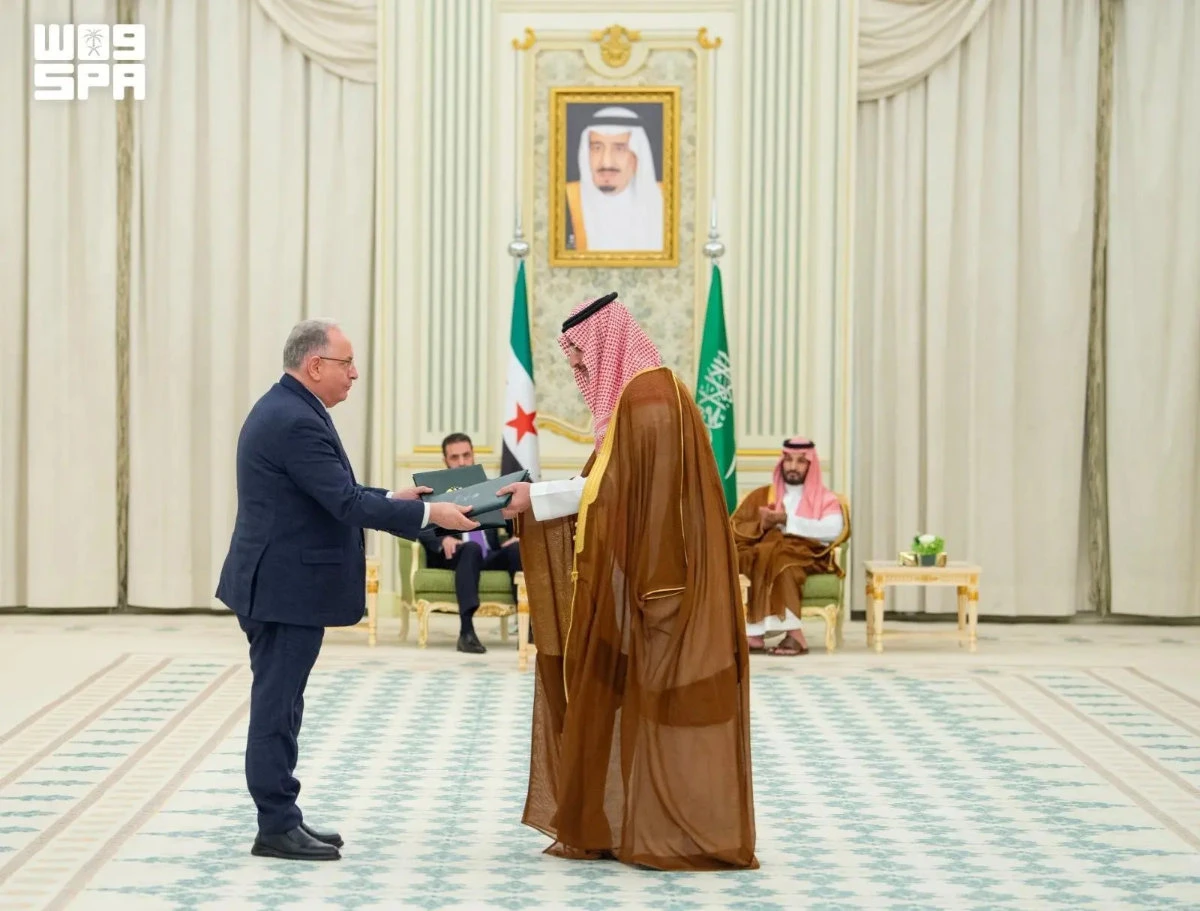
Siemens Energy has signed a memorandum of understanding with the Syrian energy minister that covers new turbines and grid infrastructure.
It has also made a reservation agreement for several units.
He said the financial system, the government's stability and the regulatory environment still need work. "Step by step, we have a decade to recover," he said.
Gulf capital is helping. The Saudi Press Agency reported on Nov. 5 that the Saudi Fund for Development signed loan agreements with Syria worth more than $403 million.
They include $90 million to rehabilitate the Aleppo Thermal Power Plant.
Iraq is further along. Shoukry said Siemens Energy has 12 gigawatts installed there and plans another 14GW.
That work comes under a memorandum of understanding signed in Berlin in September with Iraq's new prime minister.