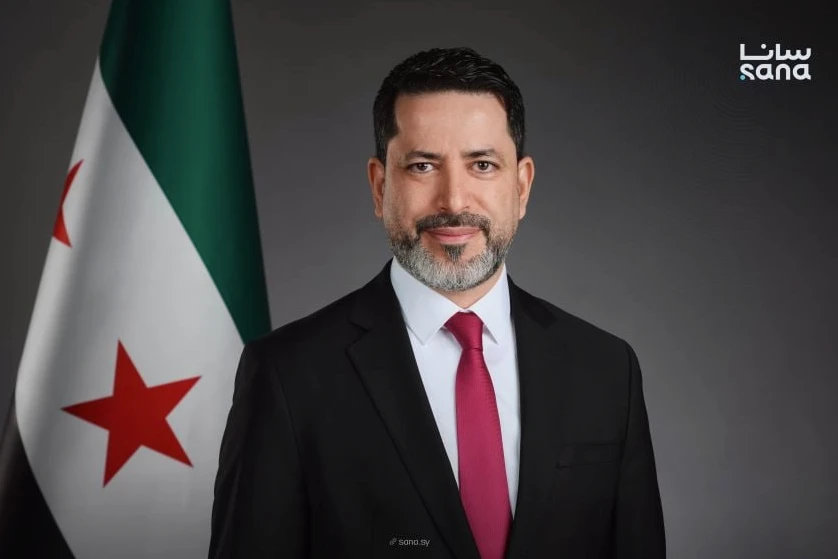
RIYADH: Syria expects foreign investment in establishing new banks to exceed $1 billion in the coming period as it seeks to attract capital and strengthen its banking sector, a senior official said.
In a statement to the Syrian Arab News Agency, Central Bank of Syria Governor Mohammed Raslan said the initiative is part of the bank’s objectives to encourage investment, protect customer rights and establish secure transfer corridors through official channels.
The move comes as interest from regional financial institutions in entering Syria’s banking market grows, with seven delegations expressing interest in establishing banks in the country, according to an earlier Central Bank statement reported by SANA.
The expansion of the banking sector also comes as Syria’s economic recovery gathers pace.
The International Monetary Fund expects the economy to post double-digit growth in 2026, supported in part by the return of about 1.5 million refugees, with growth projected to remain strong in 2027.
The IMF has also called for urgent banking-sector rehabilitation and stronger anti-money laundering and counter-terrorist financing safeguards.
Bank licensing framework sets requirements
The newly released SANA statement said: “Raslan explained that regarding acceptance and licensing, there are existing standards and executive regulations governing the licensing of both Islamic and conventional banks.”
It added: “Key criteria include the applicants’ experience, reputation, and the founders' financial solvency, as well as the requirement for a strategic banking partner holding a stake of at least 10 percent in the bank being established.”
The central bank governor noted that the timeframe for granting licenses generally depends on applicants providing the Central Bank with the required documents and meeting the established conditions.
He emphasized that the bank is working to ensure the period for issuing a preliminary license does not exceed three to four months from the time it receives all requirements.
Guarantees, financial/regulatory risks
Raslan said the regulatory framework carries no financial risks for foreign investors, allowing them to retain up to 60 percent of a bank’s paid-up capital in foreign currency. He added that investors’ rights regarding foreign currency and the repatriation of profits are fully protected, with restrictions on the purchase, sale and transfer of foreign currency lifted.
On regulatory risks, Raslan said the Central Bank of Syria’s regulatory and supervisory decisions adhere to international standards, including those governing risk management and accounting. This ensures that investors face no significant differences between practices in Syria and those applied in their home markets.