- ‘Gaza: How to Survive a Warzone’ was pulled from BBC’s iPlayer streaming service and a review found it breached the corporation’s accuracy guidelines
- Co-director Jamie Roberts apologizes for ‘oversight of due diligence’ but says underlying stories of ‘children going through conflict’ are ‘hugely important and we stand by those’
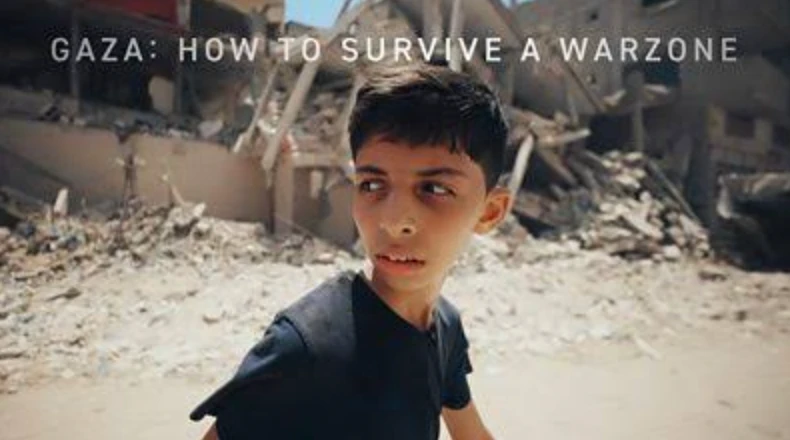
LONDON: The director of a canceled BBC documentary about Gaza said the stories told in the film remain important and should be shown, while acknowledging a “serious” mistake that led to the program being withdrawn.
Jamie Roberts, who co-directed “Gaza: How to Survive a Warzone,” apologized for the failure of independent production company Hoyo Films to disclose that the father of the 13-year-old narrator of the documentary was a Hamas official.
The BBC removed the documentary from its iPlayer streaming service last year after the connection emerged. A subsequent review by the broadcaster found the program breached the corporation’s accuracy guidelines, although it concluded Hoyo had not intentionally misled the BBC.
“There was an oversight of due diligence,” Roberts told The Guardian newspaper. “We made the mistake. I apologize for that.”
Roberts said Hoyo had since strengthened its editorial and legal procedures to prevent a similar incident. But he defended the underlying stories told by the documentary, saying the Palestinian children who were featured had no role in the political conflict.
“The actual stories are hugely important and we stand by those … of children going through conflict,” he said. “Those individuals had absolutely no bearing on the conflict and what was happening politically, and that was the point of the film.
“I would love for those to be told at some point.”
Roberts was speaking to the newspaper ahead of the release this week of his new Channel 4 documentary, “England ’Til I Die,” which examines the rise of the anti-immigration movement in the UK, and in particular the protests surrounding asylum accommodation in England. He said tensions surrounding the issue had reached an unacceptable level, with legitimate concerns in some communities being exploited by nationalist groups.
“The level of tension is extremely high and behavior is becoming unacceptable,” Roberts said. “It’s no longer people questioning and wanting to discuss grievances; it’s turning into something else.”