BEIRUT: Syrian activists say that two days of heavy clashes between Kurdish fighters and Al-Qaeda-linked rebels in the northeast have killed at least 41 on both sides.
The Britain-based Syrian Observatory for Human Rights says the clashes in Hassakeh province pitted Kurdish militias against rebels from two Al-Qaeda-linked factions — Jabhat Al-Nusra and the Islamic State in Iraq and the Levant.
Such rebel infighting has become common in recent months in the northeast, which has a large Kurdish population.
Observatory’s director Rami Abdul-Rahman said Wednesday that 29 of the dead are from the two extremist groups, while the remaining 12 are Kurdish fighters.
Separately, 21 people, including four children and six women, were killed when a minibus hit a mine and exploded in the southern Syrian town of Noa on Wednesday, the observatory said.
Opposition activists told the Observatory the minibus drove over a mine planted by forces loyal to President Bashar Assad. There was no immediate comment from the government.
The explosion was reported in rebel-held territory in Daraa province but there are also army troops in the nearby base of Tel Al-Jumaa, which is besieged.
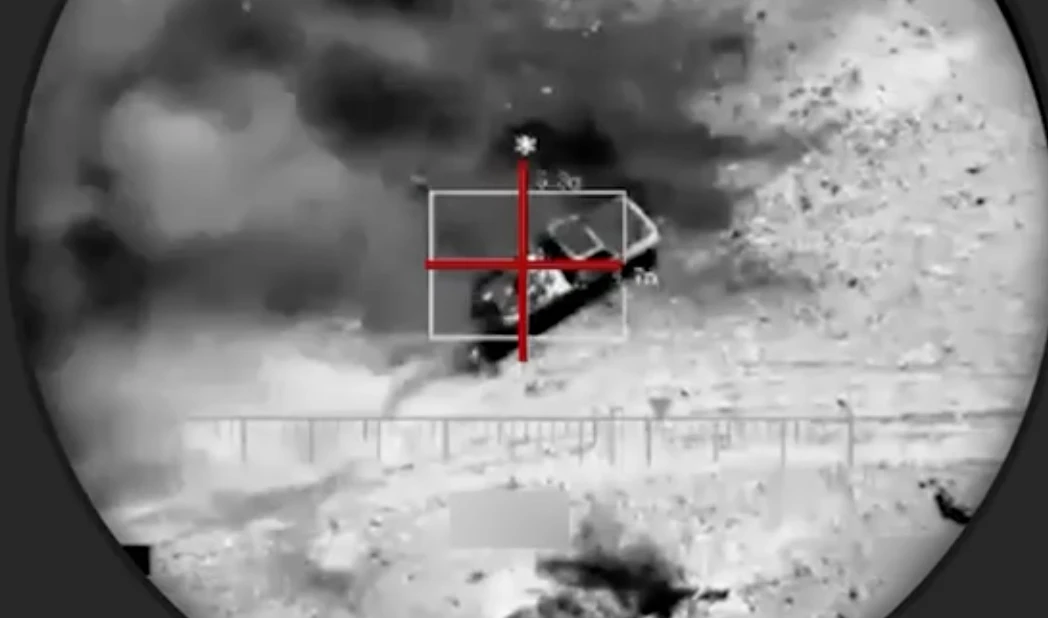
The observatory, which is opposed to Assad, reported clashes in most provinces on Wednesday and said war planes had been deployed to the eastern desert city of Deir El-Zor.
The group said at least 27 government soldiers had been killed during intense clashes in Deir El-Zor over the past two days although rebels gave a figure more than double that.
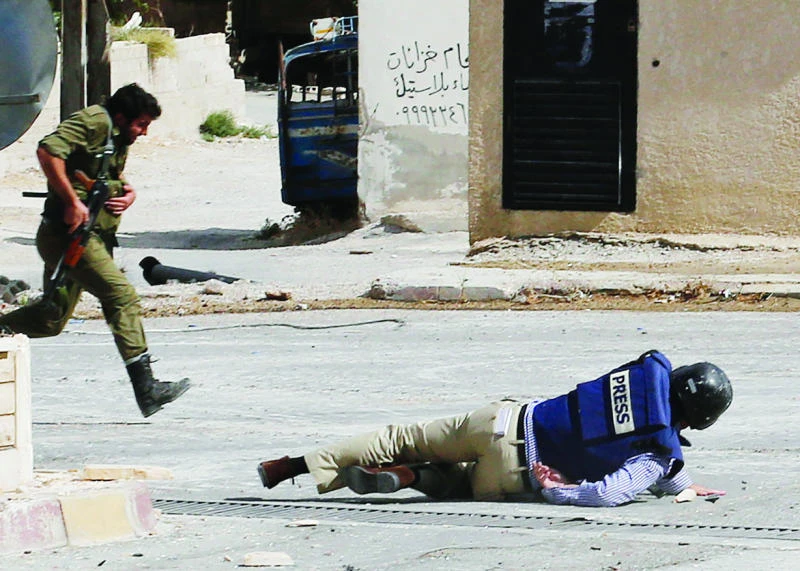
Journalists in Syria have been killed by snipers, accused of spying, and kidnapped by gunmen, and with the threats growing, many say the conflict is now too dangerous to cover.
The risks have increased the challenge of reporting from the country, which was already difficult because of violence, regime visa restrictions and propaganda on both sides.
Media watchdog Reporters Without Borders (RSF) says at least 25 professional journalists and 70 citizen journalists have been killed in the conflict.
But for many reporters, the bigger fear comes from abductions, which have been on the rise in the Syria conflict.
RSF says at least 16 foreign journalists are missing in Syria, although many cases have not been made public at the request of their families.
Among those kidnapped is James Foley, a US freelance journalist who worked for outlets including AFP and GlobalPost, and disappeared on November 22. He turns 40 on Oct. 18.
Sherif Mansour of the Committee to Protect Journalists (CPJ) said the threat has evolved.
“In the beginning we only saw journalists being kidnapped by the government but later we began to see the opposition becoming increasingly involved,” he told AFP.
“The kidnappings now are not just for political reasons, but also for financial reasons. We have also seen groups that are specifically targeting journalists, accusing them of being spies.”
Anti-Kurdish clashes kill 41; minibus blast takes 21 lives