- More than 80 major international companies gather in Cairo as Egypt seeks to attract investment and accelerate private-sector-led growth
- Foreign minister highlights $600 billion in infrastructure spending over the past decade, as officials outline economic reforms and new opportunities for international investors
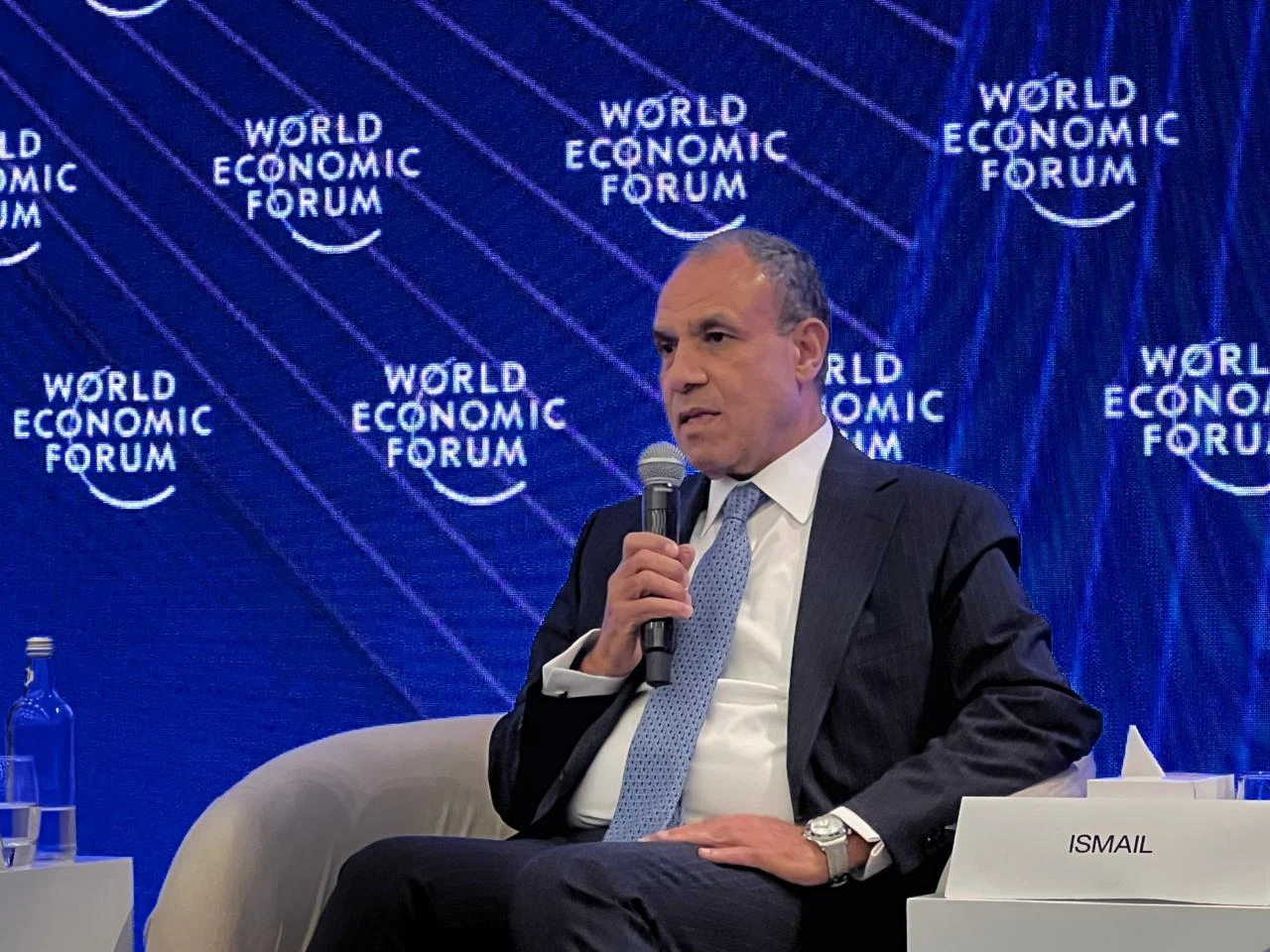
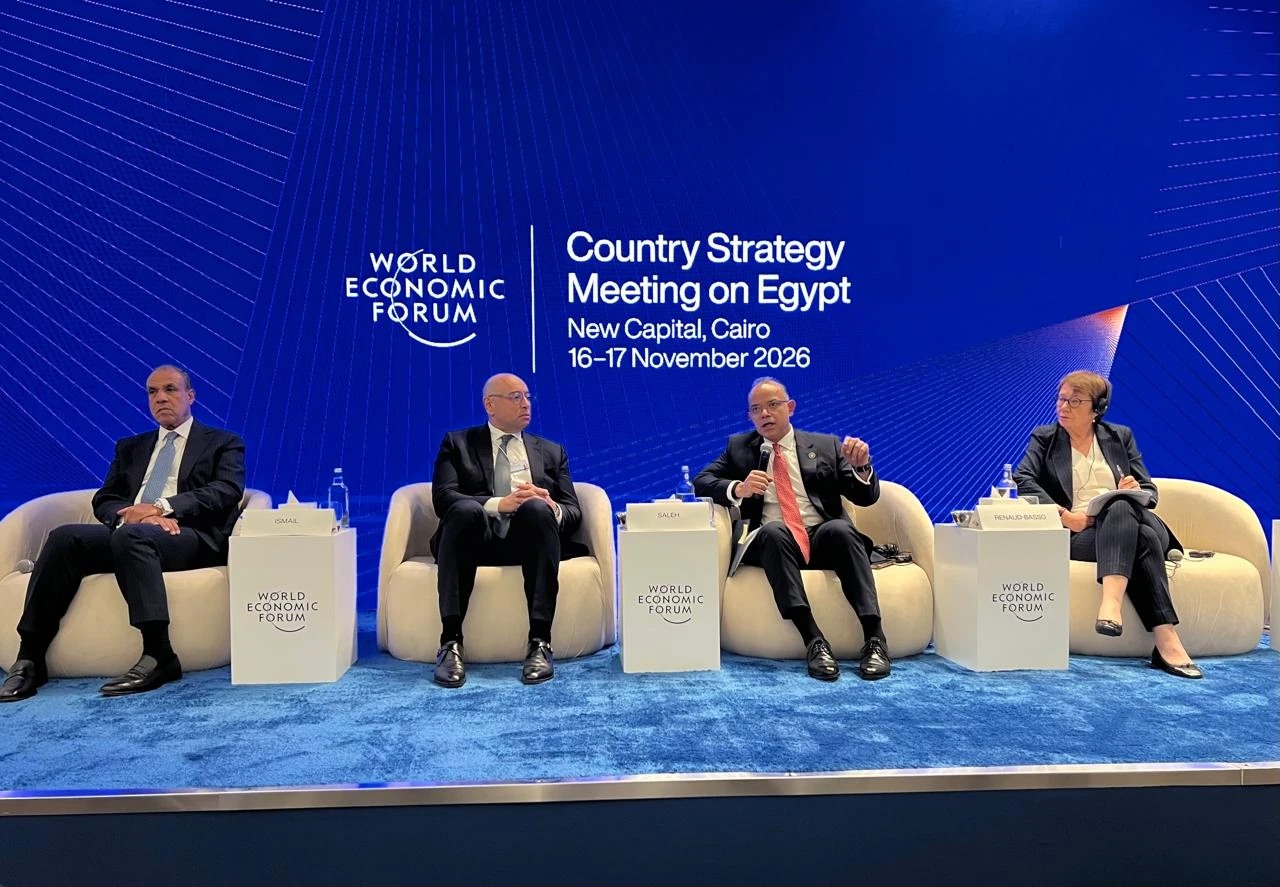
CAIRO: Egypt is hosting the World Economic Forum’s Country Strategy Meeting on Monday and Tuesday in its New Administrative Capital, bringing together senior government officials and representatives of more than 80 major international companies to discuss economic reforms and investment opportunities.
Speaking at a press conference at the Grand Egyptian Museum on Monday, Egyptian Foreign Minister Badr Abdelatty said the participation of international companies reflected the resilience of Egypt’s economy and its ability to withstand challenges arising from external crises and regional conflicts in recent years.
Abdelatty said Egypt had invested more than $600 billion in infrastructure over the past decade, highlighting the country’s efforts to modernize its economy and strengthen its position as an attractive destination for foreign investment.
He said the Middle East was navigating an increasingly complex geopolitical landscape, describing Egypt as a pillar of regional stability and a peacemaker.
The minister reaffirmed Cairo’s commitment to pursuing political and diplomatic solutions to regional conflicts, opposing military intervention and promoting de-escalation.
Turning to the economy, Abdelatty said Egypt was achieving growth rates of approximately 5 percent despite prevailing challenges.
He attributed this resilience partly to the economic reform program launched in 2016, which he said had strengthened the country’s ability to withstand external shocks.
The minister also highlighted the diversification of Egypt’s productive sectors, pointing to growth in industry, tourism and agriculture, alongside emerging opportunities in artificial intelligence, digitalization and modern technology.
He said empowering the private sector had become a top government priority, with private investment now accounting for more than 60 percent of total investment in the country.
Egyptian Foreign Ministry spokesperson Ambassador Nader Zaki told Arab News that the meeting would provide a platform for senior officials and business leaders to discuss Egypt’s economic priorities and identify opportunities for investment.
Zaki said President Abdel Fattah El-Sisi would address participants during a dedicated dialogue, outlining the government’s assessment of Egypt’s economic prospects and its plans to modernize the economy.
The meeting will also examine how Egypt can capitalize on its strategic position connecting African, Middle Eastern and Mediterranean markets to expand trade, improve logistics and deepen energy cooperation.
Zaki said Egypt’s growing industrial base, large domestic market and young population would be central to discussions on attracting investment to support long-term economic growth.
The agenda will also focus on reforms designed to strengthen the private sector’s role in the economy, boost exports and develop workforce skills.
The meeting comes amid forecasts that Egypt’s annual economic growth will remain above 4 percent through 2031.
Odile Renaud-Basso, president of the European Bank for Reconstruction and Development, said the bank had invested €17 billion ($19.7 billion) in Egypt since beginning operations in the country in 2012.
She added that the bank’s investments in Egypt had reached €2 billion in 2026, reflecting its continued confidence in the country’s economic potential.
Renaud-Basso described Egypt as a key market for the EBRD and an example of what could be achieved when ambitious economic reforms were accompanied by private-sector investment.
Meanwhile, Egyptian Investment Minister Mohamed Farid Saleh said the government’s economic reform efforts were aimed at ensuring greater consistency across monetary, fiscal and investment policies.
He said improving policy coordination would enable investors to better anticipate economic trends and strengthen confidence in the Egyptian market.
Policy stability and clarity, he added, were among the most important factors in attracting long-term investment.
In a statement published on its website ahead of the meeting, the World Economic Forum highlighted Egypt’s strategic position as a hub linking Africa, the Middle East and the Mediterranean.
It said the country’s large domestic market, young population and expanding industrial base, supported by reforms focused on private-sector-led growth, export development and human capital, offered significant economic potential.
The forum described Egypt as an important venue for dialogue between governments and business leaders at a time of significant international economic uncertainty and shared challenges.