- 13 suspects accused of involvement in transportation of C-4 and TNT from Baalbek toward Beirut, and undermining Lebanese state authority
- Hezbollah condemns prosecution as politically motivated, after previously demanding return of the seized explosives
BEIRUT: Military prosecutors on Friday charged 13 people, a number of them members of Hezbollah, in a case involving the alleged smuggling of hundreds of kilograms of explosives.
It marked a significant judicial escalation amid pressure from the Iran-backed group to secure the return of the seized shipment.
The suspects face charges that include “belonging to armed factions without state authorization, planning an operation and transporting large quantities of explosives from Baalbek to Beirut with the intention of undermining state authority, violating security measures and exposing Lebanon to the risk of attacks.”
The government’s commissioner to the military court, Judge Claude Ghanem, has completed a preliminary investigation, conducted by Lebanese Army Intelligence, into the seizure of about 800 kilograms of C-4 and TNT this month. The explosives were intercepted in a vehicle at an Internal Security Forces checkpoint in Dahr Al-Baidar, a strategic mountain pass connecting the Bekaa Valley with Beirut.
Prosecutors initially identified eight suspects before expanding their list to 13. Those charged included two detained members of Hezbollah, Haitham Ahmad Amhaz, born in 1981, and Ali Shawqi Al-Kurdi.
Six others are subject to search notices: Ibrahim Khodr Habib, known as “Sajed,” born in 1965; Bilal Fadl Sabouri, known as “Zulfiqar”; Mohammed Safi Ayoub, born in 1989; Mohammed Haidar Zeaiter, born in 1998; Mohammed Abdullah Hazimeh, born in 1983; and Russian national Yelena Novo Bghvini Krishinova, born in 1987, who is married to the detained suspect Amhaz.
Five other individuals were identified only by aliases, including “Abu Turab,” also known as “the short, bald man,” “Al-Sayyed,” “Alaa,” “Abu Al-Fadl” and “Abu Haidar.”
The charges go beyond the illegal transportation or smuggling of hazardous materials to include serious allegations under Lebanon’s Penal Code, including the undermining of state authority and breaches of national security.
A judicial source said prosecutors concluded that the shipment was not an isolated smuggling operation but allegedly involved an organized network linked to armed factions operating outside of state authority.
The case was expected to be referred to the country’s first military investigating judge, who will conduct further questioning, issue necessary arrest warrants and investigate the wider network accused of involvement in planning, transporting and accompanying the shipment, before issuing an indictment decision ahead of trial.
The judicial source told Arab News the prosecution sent a clear message that Lebanon’s judiciary and security agencies were no longer prepared to overlook military or logistical activities conducted outside the authority of the state and the country’s Constitution.
“Political or partisan immunity will not stand in the way of judicial proceedings when civil peace, public stability and the enforcement of the law are at stake,” the source said.
The justice minister, Adel Nassar, and lawmakers from the Lebanese Forces parliamentary bloc previously asked the government to transfer the case to a civilian court through a decree. The Cabinet has yet to decide on the request.
The explosives case comes at a particularly sensitive political moment for Lebanon, as authorities endeavor to establish exclusive state control over weapons in the country. In August, as part of these efforts, the Cabinet banned Hezbollah from carrying out military and security activities.
The discovery of the explosives fueled fears among some Lebanese that such materials could be used in political assassinations, stirring memories of the killing in 2005 of the former prime minister, Rafik Hariri, though no evidence linking the shipment to any planned assassination has been established.
Hezbollah initially denied having any connection to the seized explosives. Days later, however, Hezbollah MP Hassan Fadlallah acknowledged during a press conference that they belonged to what he described as the “resistance” and demanded their return.
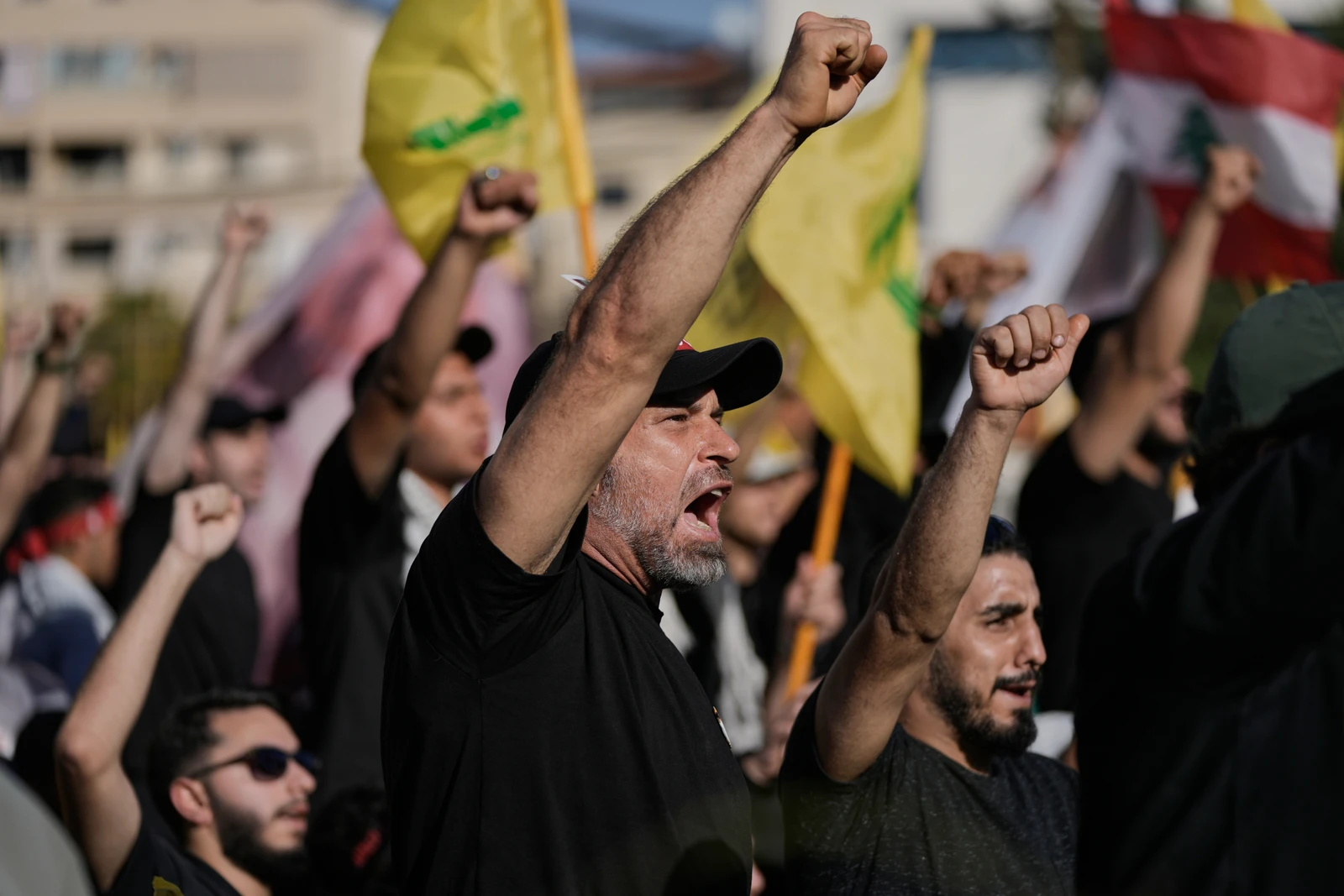
In the party’s first reaction to the judicial action on Friday, Hezbollah MP Hussein Hajj Hassan denounced the proceedings as politically motivated. He said the charges were “unfair, unjust and lacking the most basic principles of the National Pact, human rights and the UN Charter, as well as numerous Lebanese laws that guarantee the legitimate rights of any resistance against Israel.”
He described the detained suspects as “prisoners” and claimed the prosecution was “subject to well-known political dictates.”
The case is seen as a significant test of the Lebanese state’s ability to assert its authority over armed groups, including their caches of weapons and military activities, as well as the ability of the judiciary to pursue politically sensitive prosecutions involving Hezbollah.