- Decision raises doubts over whether the Palestinian election can proceed as scheduled on Nov. 28
- EU official says bloc stands ‘ready to deploy an Election Observation Mission for the Palestinian legislative polls’
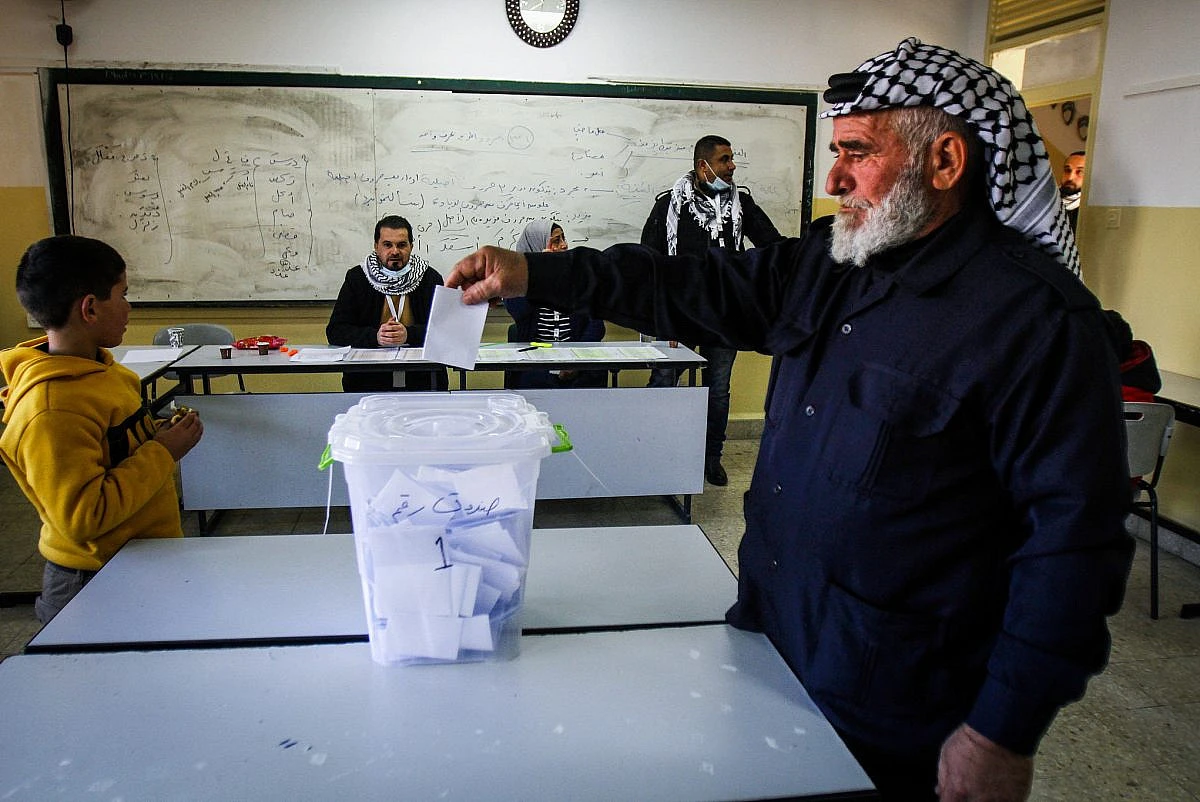
RAMALLAH: Israel has barred Palestinian election officials from entering Gaza and Jerusalem to prepare for November’s long-awaited legislative elections in the territories, creating a fresh obstacle to the first Palestinian parliamentary vote in two decades.
The Palestinian Central Elections Commission was prevented from entering both territories on Tuesday to oversee preparations for the Nov. 28 election, the official Palestinian WAFA news agency reported, citing a Palestinian official.
The move raised doubts over whether the election can proceed as scheduled, with voting intended to take place across the West Bank, East Jerusalem and Gaza Strip.
Earlier on Tuesday, Kaja Kallas, the EU’s high representative for foreign affairs and security policy, said in a message posted on social media platform X that the bloc was “ready to deploy an Election Observation Mission for the Palestinian legislative polls.”
During a telephone conversation with Hussein Al-Sheikh, the Palestinian vice president, Kallas said: “Palestinians have the right to choose their representatives in elections that are credible, inclusive and transparent.”
Al-Sheikh, in a message posted on X, called for “European support to help overcome any obstacles to holding the elections, ensuring the participation of all our people in the West Bank, East Jerusalem, and the Gaza Strip in the electoral process.”
The commission said last week that preparations remained on track despite Palestinian President Mahmoud Abbas extending the period for candidate nominations from 12 to 18 days because of severe movement restrictions, and the difficult security and political situation in Jerusalem, the West Bank and Gaza. It said this would not affect the Nov. 28 polling date.
However, Jibril Rajoub, a senior official in Abbas’ Fatah movement, said last month that he did not expect the legislative election to take place on schedule and called instead for the presidential election to be held first. Doing so “would solve a large part of the problem,” he said, arguing that such an election would be easier, less costly and could be organized through consensus.
Abbas, 90, was elected president in 2005 for a four-year term that expired in 2009. No presidential election has taken place since. He announced in June that a presidential vote would be held in early 2027, but no specific date was set.
The Palestinians have not held a legislative election since January 2006, when Hamas won a surprise victory over Fatah. The Palestinian Legislative Council has effectively been inactive since the subsequent political split between Hamas-controlled Gaza and the Fatah-led Palestinian Authority in the West Bank.
The latest Israeli restrictions revived one of the central obstacles that derailed the last attempt by Palestinians to hold national elections. In 2021, Abbas called for legislative elections in May and a presidential vote in July, but postponed them indefinitely after Israel failed to provide assurances that Palestinians in East Jerusalem would be allowed to participate. At the time, he said elections would not proceed until voting in Jerusalem was guaranteed.
The Palestinian elections commission said Israel imposed restrictions on voting in East Jerusalem during previous elections, but voting nevertheless took place there in 1996, 2005 and 2006.
Israel captured East Jerusalem during the 1967 Arab-Israeli war and later annexed it in a move that was not recognized internationally. Palestinians seek the eastern part of the city as the capital of their future state.
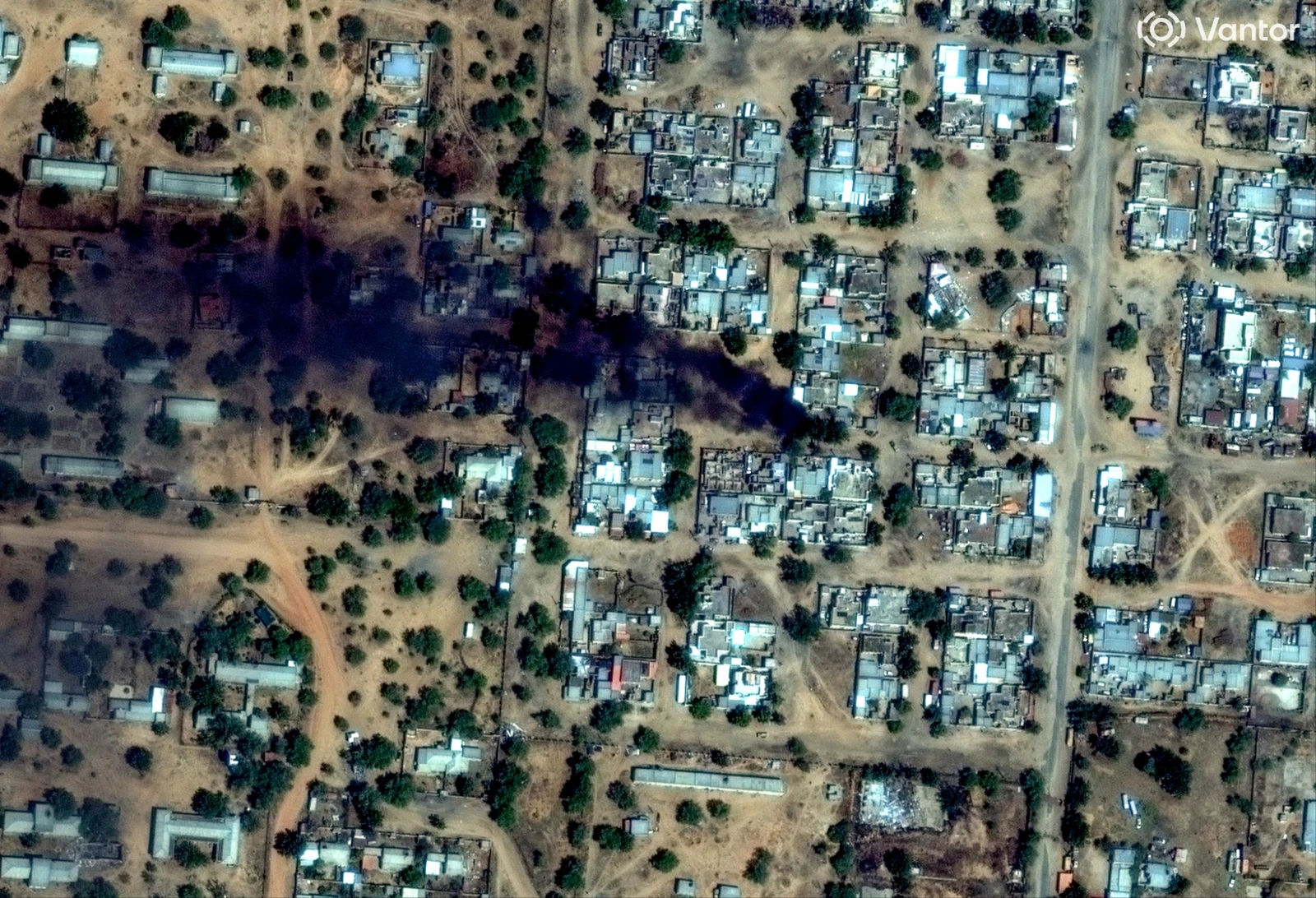
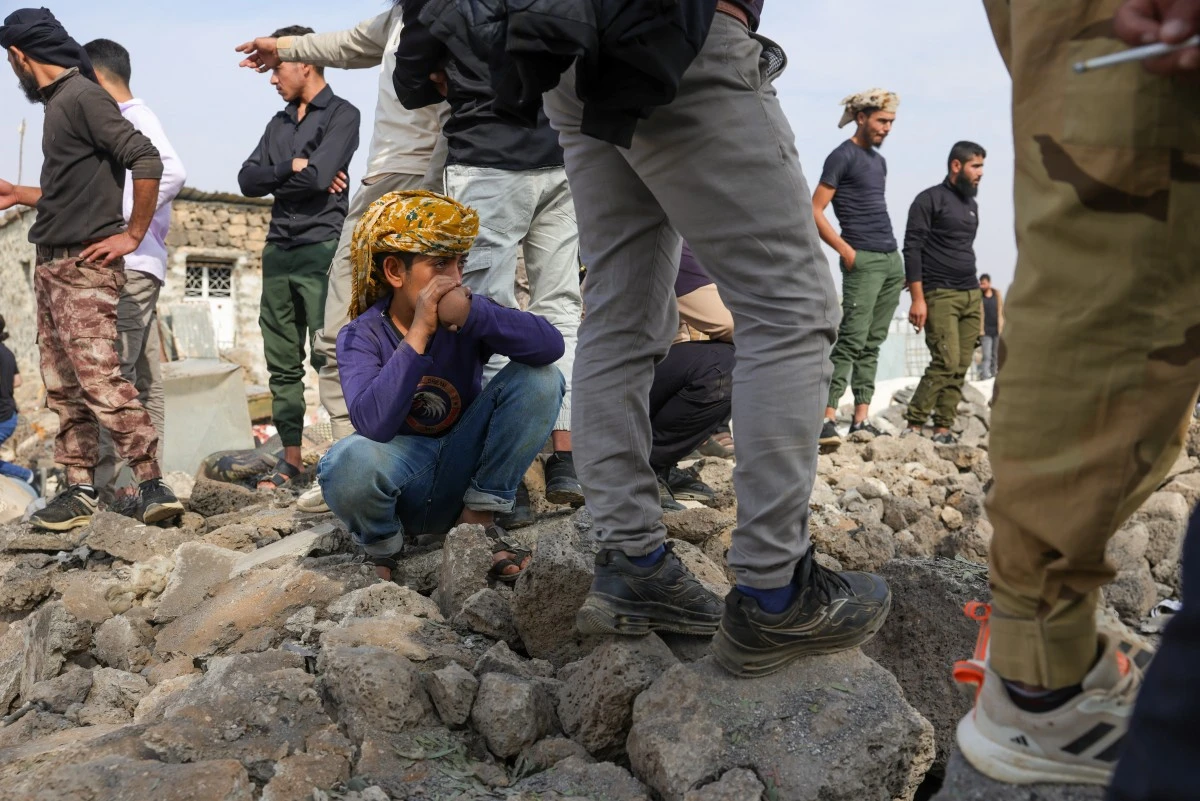
Gaza poses an additional challenge to the upcoming election because of the widespread destruction, displacement and restrictions on movement caused by the war that began in October 2023.
Nearly 3 million Palestinians are eligible to vote, including about 1.24 million in Gaza and 140,000 in Jerusalem, according to the election commission.
Fatah officials had already cited a refusal by Israeli authorities to allow ballot boxes, election papers and ink into Gaza as being among the obstacles that could prevent the November vote from going ahead, Reuters reported last month.
Abbas nevertheless reaffirmed during the UN General Assembly in September that the legislative election would take place on Nov. 28 as part of a broader program of reforms.
France and other international partners have pressed the Palestinian Authority to proceed with both legislative and presidential elections as part of the efforts to renew the legitimacy of Palestinian institutions. France has also pushed for EU observers to monitor the vote.
The Palestinian Authority has faced growing international pressure to carry out political and institutional reforms, particularly as discussions continue over future governance arrangements in Gaza, and the reunification of the territory with the West Bank under a single Palestinian administration.