- Israel says it struck about 100,000 targets in Gaza, Lebanon, Syria, Iran and Yemen since October 2023
- Its unverified tally includes 65,000 in Gaza, 28,000 in Lebanon and Syria combined, 4,500 in Iran and 80 in Yemen
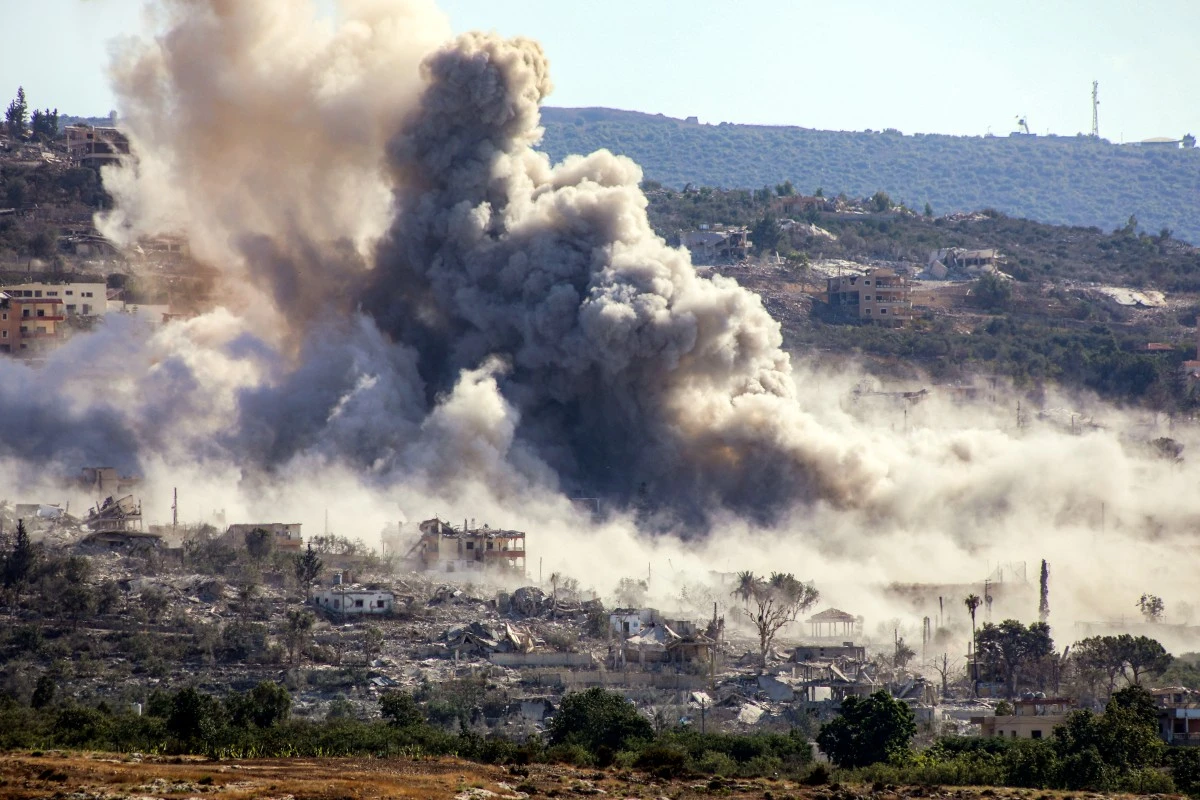
LONDON: The Israeli military said on Wednesday it had struck about 100,000 targets across Gaza, Lebanon, Syria, Iran and Yemen since the Hamas-led attack on southern Israel on Oct. 7, 2023, releasing a report on the third anniversary of the attack that is reported to have triggered the regional conflict.
The military said it struck approximately 65,000 targets in Gaza, 28,000 in Lebanon and the Syrian Arab Republic combined, 4,500 in Iran and 80 in Yemen. The figures could not be independently verified.
The report also listed missile launches toward Israel, recording 20,000 from Lebanon, 10,200 from Gaza, 1,200 from Iran, 90 from Yemen and 50 from Syria.
Alongside those figures, the military published a graphic identifying senior figures from armed groups and Iran’s Islamic Revolutionary Guard Corps it said had been killed in Israeli strikes.
They included Hezbollah leader Hassan Nasrallah and the head of its executive council, Hashem Safieddine; Hamas political chief Yahya Sinwar and its military commander, Mohammed Deif; and IRGC commander Hossein Salami and aerospace chief Ali Hajizadeh.
The report comes amid sustained criticism of Israel’s military campaigns, with UN investigators, independent human rights experts and aid groups accusing it of collective punishment and other violations of international humanitarian law.
In September, UN Secretary-General Antonio Guterres accused Israel of the “collective punishment” of Palestinians and “systematic destruction” in Gaza during his final address to the General Assembly as secretary-general.
Israel’s campaign in Gaza has killed at least 74,200 people, according to the local health authority, injured more than 175,068 others, and displaced some 1.9 million people — nearly 90 percent of the population — multiple times.
Guterres’ remarks echoed criticism raised earlier in the war. In a joint submission to the US government dated March 19, 2024, Human Rights Watch and Oxfam said Israeli authorities had “imposed collective punishments on the civilian population,” deprived civilians of necessities and used starvation as a weapon of war.
The groups cited restrictions on food, water, fuel, electricity and humanitarian assistance imposed after the Hamas-led attack.
Israel’s operations in Lebanon have drawn similar scrutiny. In a July 23 statement, independent UN human rights experts said Israel’s military actions violated international humanitarian law and “may also amount to war crimes and crimes against humanity.”
The experts cited attacks on residential buildings, harm to health workers, displacement orders and allegations of white phosphorus use over residential areas. They also condemned rhetoric they said legitimized collective punishment or incited violence.
More recently, the UN Commission of Inquiry on Syria said on Sept. 8 that said Israeli violations of human rights and international humanitarian law on Syrian territory “may amount to war crimes.”
Its findings included civilian detention, suspected cross-border transfers and military operations that displaced residents in southern Syria.