- The security and stability of the Kingdom are shared international interests, Economy Minister Amer Al-Basat tells Arab News
- Saudi Arabia is a major destination for Lebanese expatriates in the Gulf, with 350,000 estimated to be living in the Kingdom
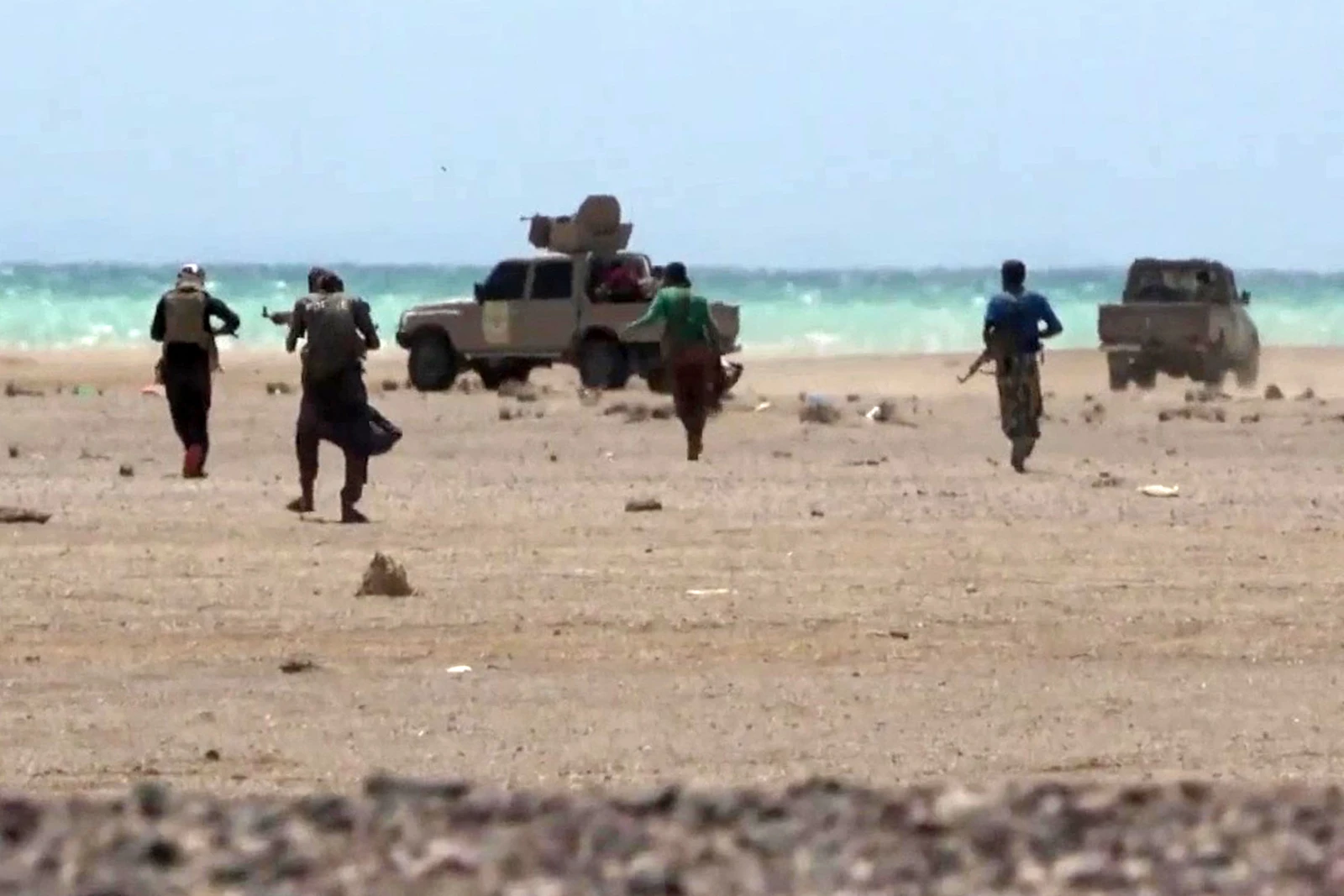
BEIRUT: Lebanon’s political and economic leaders, and figures from the country’s wider business community, condemned recent Houthi attacks on Saudi Arabia, and expressed solidarity with the Kingdom following the strikes against civilian infrastructure.
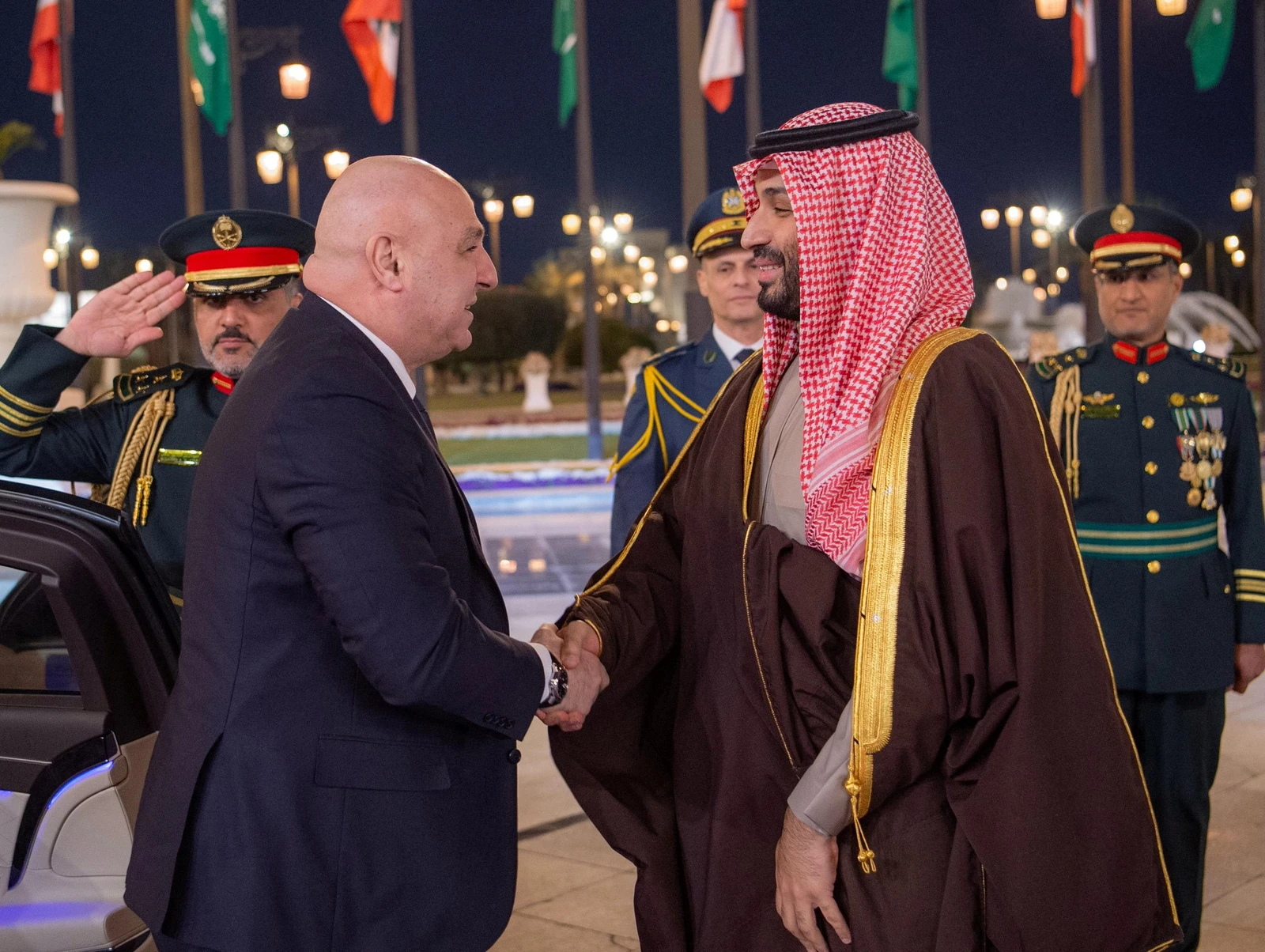
The president, Joseph Aoun, spoke by telephone with the Saudi crown prince and prime minister, Mohammed bin Salman, on Tuesday after a number of attacks targeted King Khalid International Airport in Riyadh and other civilian facilities over the past week.
Aoun renewed his condemnation of the aggression and affirmed “Lebanon’s solidarity, president and people, with the brotherly Kingdom of Saudi Arabia, its leadership and people.”
The attacks constituted “a threat to the Kingdom’s security and stability, and to the security and stability of the region,” he added.
Prime Minister Nawaf Salam similarly condemned the Houthi attacks and reiterated Lebanon’s “full solidarity with the Kingdom.” Lebanon stood alongside Saudi Arabia, he added, “in whatever measures it deems appropriate to defend itself and protect its people, security and sovereignty.”
Saudi Arabia remains a major destination for Lebanese expatriates in the Gulf, who play an important part in the economic and social life of the Kingdom. The number of Lebanese living in Saudi Arabia is estimated at about 350,000 this year.
Lebanese business leaders told Arab News that any effects on Lebanese residents or companies operating in the Kingdom caused by the recent attacks paled in comparison with those suffered by Saudi Arabia itself. One said: “It would be shameful for us to speak about our losses when compared with the Kingdom’s losses.”
Lebanon’s minister of economy and trade, Amer Al-Basat, told Arab News: “Lebanon condemns in the strongest terms the reprehensible attacks on the Kingdom of Saudi Arabia, and I affirm my full solidarity with the Kingdom and its brotherly people.”
Saudi Arabia is a cornerstone of the regional economy and plays a central role in global energy, trade and investment markets, he added.
“This makes its security and stability a shared international interest,” Al-Basat said.
“The Kingdom of Saudi Arabia hosts tens of thousands of Lebanese whose safety and livelihoods are of direct concern to us. We also have close economic ties with the Kingdom, ranging from employment opportunities and expatriate remittances to trade and investment.
“Therefore, any threat to the Kingdom and its stability also has repercussions for Lebanese families and our economy.”
The Ministry of Economy and Trade has described Saudi Arabia as a preferred destination for Lebanese seeking employment opportunities and a stable life abroad, and the expertise of expatriates contributes to the economic and social development of the Kingdom in a wide range of sectors.
The Lebanese community in Saudi Arabia accounts for a significant proportion of the wider Lebanese diaspora in the Gulf, the ministry said, with Saudi Arabia ranking among the largest hosts of Lebanese nationals in the region.
Elie Rizk, president of the Lebanese-Gulf Economic Relations Development Authority, told Arab News that Lebanon stood firmly alongside Saudi Arabia.
“In the spirit of the brotherly relations linking Lebanon and the Kingdom, Lebanon stands in solidarity with Saudi Arabia as it confronts these brutal and reprehensible terrorist attacks, particularly those targeting vital facilities,” he said.
“Our prayers are for the restoration of security in this safe country, which has promoted peace in the region.”
Saudi Arabia’s economic significance meant that the effects of any disruption to the Kingdom were felt far beyond its borders, Rizk said.
“Saudi Arabia is a major economic player in the region because it exports energy,” he said. “If this vital source is damaged, the consequences will affect every country in the region, not only the Kingdom.”
He added that the crown prince’s Vision 2030 program for national development, with a focus on strengthening Saudi society and the country’s economy, could also be affected by continuing assaults.
“These brutal attacks will inevitably have an impact and could delay growth and prosperity under Vision 2030,” Rizk said. “The repercussions would be felt throughout the Arab region.”
Hadi Soubra, a board member at the Federation of Lebanese-Gulf Business Councils, said Lebanese companies operating in Saudi Arabia continued to function normally despite the attacks.
“We are still exporting products and importing from Saudi Arabia,” he told Arab News. “What is happening to the Kingdom is completely unacceptable and I hope it proves to be a passing cloud.”
Hani Bohsali, the president of Lebanon’s Food Importers Syndicate, said instability in Saudi Arabia inevitably had consequences for Lebanon.
“What affects Saudi Arabia affects Lebanon,” he told Arab News. “Lebanon may be geographically and economically distant from the Kingdom, in terms of supplies since we import most of our goods from Europe or the Far East, but we are concerned that conditions could deteriorate further because of the Houthi attacks.”
Lebanon’s economy was deeply connected to that of the Kingdom, he said, adding: “Lebanon breathes through the Saudi lung. Saudis value our products, which had been absent from their market for a relatively long period. So far, however, imports and exports remain stable.
“These attacks target the economy and civilians. We in Lebanon have experienced war and understand its consequences. We would not wish it upon anyone, particularly Saudi Arabia.”
Naim Khalil, head of Lebanon’s agricultural exporters and importers syndicate, also condemned the attacks.
“We wish peace upon the kingdom of peace and prosperity, and hope that stability will prevail,” he told Arab News.
Trade between Lebanon and Saudi Arabia was so far continuing as normal and had not been affected by recent events, he added.
Lebanese exports to Saudi Arabia resumed this year after a five-year suspension, marking a significant improvement in relations between Beirut and Riyadh. It followed a Saudi decision in June to reopen the country’s markets to Lebanese products and resume economic and commercial cooperation.
The move followed a directive from the crown prince, in response to requests from the Lebanese president and prime minister. It was accompanied by the introduction of advanced digital inspection measures, including modern scanning equipment, at the ports of Beirut and Tripoli.
Lebanese officials described the resumption of trade as a reflection of Saudi Arabia’s continuing support for the stability and sovereignty of Lebanon, alongside the expectation that Lebanese territory would not be used as a platform from which to threaten Arab states, and Saudi Arabia in particular.