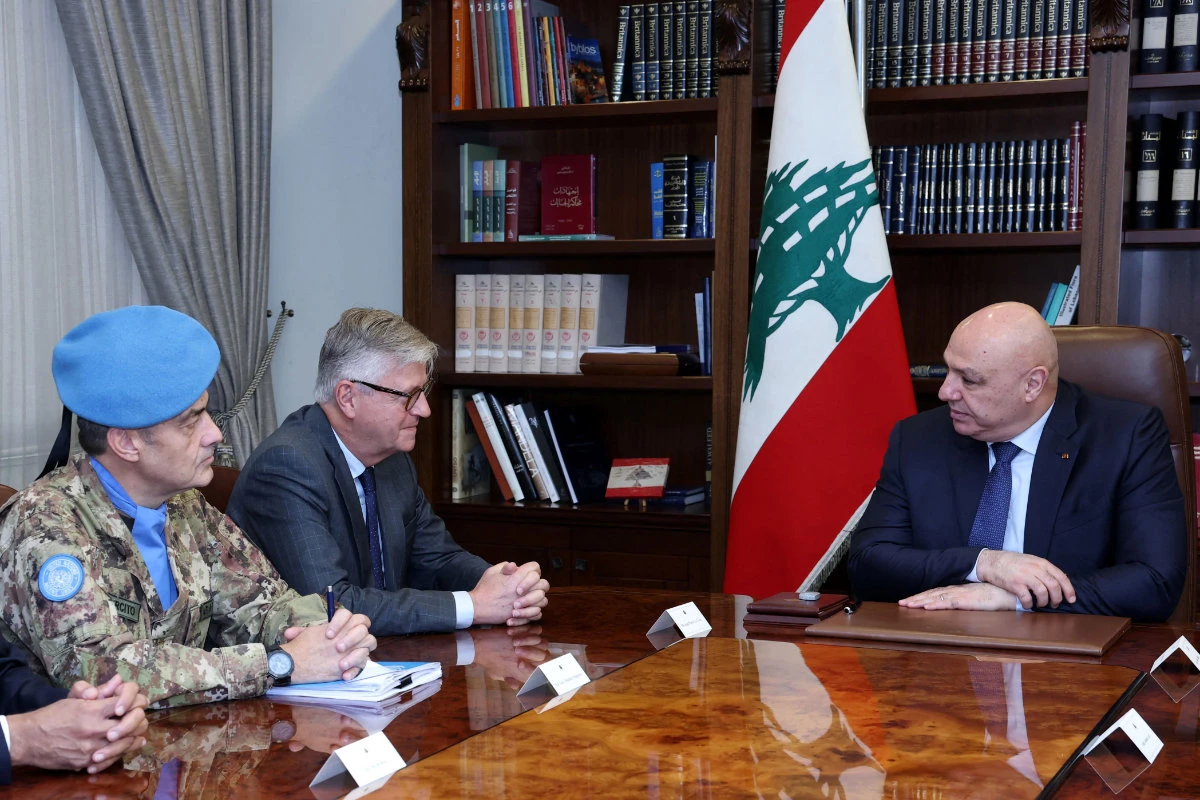
- Jean-Pierre Lacroix: ‘That’s the wish of the Lebanese authorities. I believe that’s the wish of the Lebanese people’
- UN awaiting Security Council decision on options for post-UNIFIL presence before mandate expires Dec. 31
NEW YORK: The UN remains committed to a role in Lebanon even as its peacekeeping mission, which has operated in the country’s south for nearly five decades, nears the end of its mandate on Dec. 31, the UN undersecretary-general for peace operations, Jean-Pierre Lacroix, told Arab News.
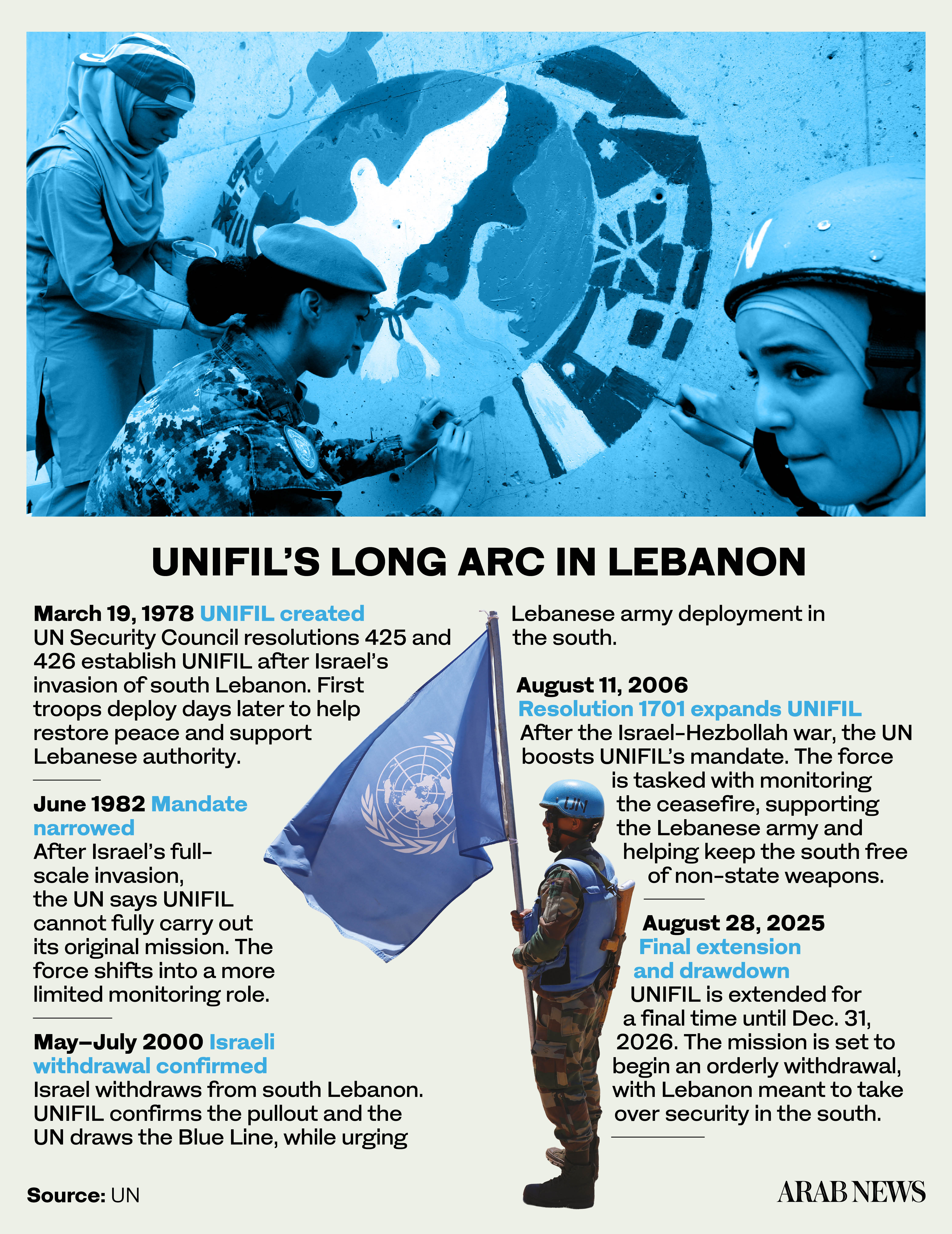
The wind-down comes as Lebanon warns of a looming security vacuum — its UN ambassador called the withdrawal “premature” in an August letter to the Security Council — while Israeli strikes in the south have continued despite last November’s ceasefire.
Lacroix said restoring full Lebanese sovereignty over the entire country is a “universally shared goal” pursued through the ongoing Israeli-Lebanese talks mediated by the US alongside continued Lebanese government efforts that he described as courageous.
Meanwhile, he said, the UN Interim Force in Lebanon “is providing a valuable contribution” — helping deliver humanitarian support to the population in the south, backing the Lebanese Armed Forces, and “working on de-confliction among the various entities and stakeholders that are present on the ground.”
Sustaining that support once UNIFIL’s mandate lapses, he added, comes down to options that the secretary-general has presented to the Security Council for a UN presence after UNIFIL, drawn up in consultation with Lebanese authorities and submitted at the council’s request.
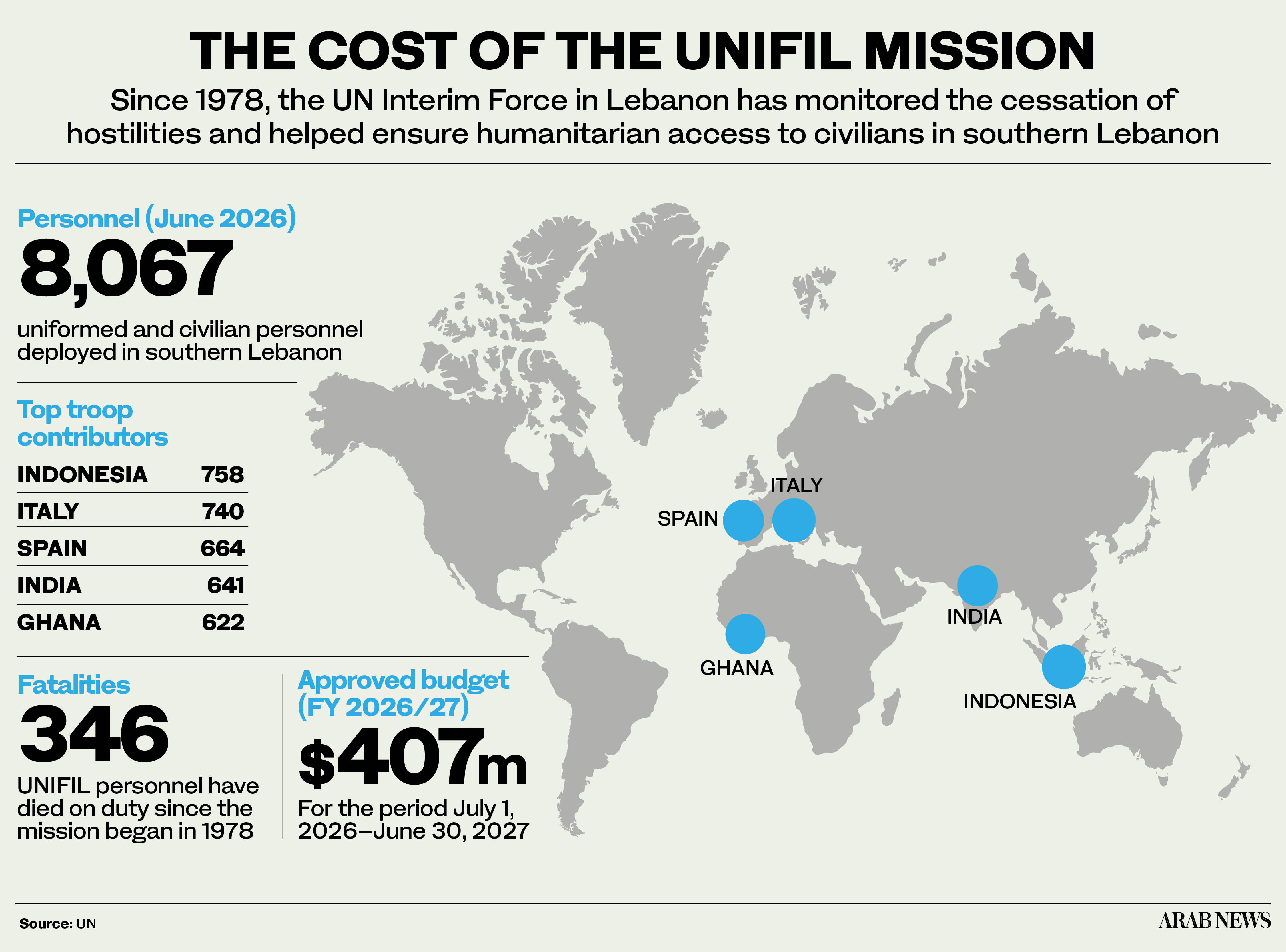
Those options, Lacroix said, center on two components: a smaller presence focused on “observing, monitoring, reporting, liaison and de-confliction,” and the preservation of certain capacities that Lebanese officials have said they still need, including “engineering, mine action and a maritime task force.”
He added: “We’re now expecting — we hope — that the council will make a decision rather soon than late.”
Two further initiatives are moving alongside that proposal, Lacroix said: an EU-led effort “very much about training and capacity building” for the Lebanese army and security forces, and a still-unfinished French-Italian initiative that is intended to provide “additional training and capacity building” to the LAF as well as “more operational support.”
He said he hopes that the three tracks will prove complementary, while stressing that Lebanon’s civilian population — with large numbers still displaced and many children yet to return to school — needs “a surge in international support” regardless of which framework prevails.
US opposition to any UN presence after UNIFIL loomed over the conversation, but Lacroix declined to comment on “individual member states’ positions,” saying the decision rests with the Security Council.
“We’re in the hands of the Security Council and (its) members for whatever decision they’ll make,” he added, calling it “a bit too early” to weigh in further.
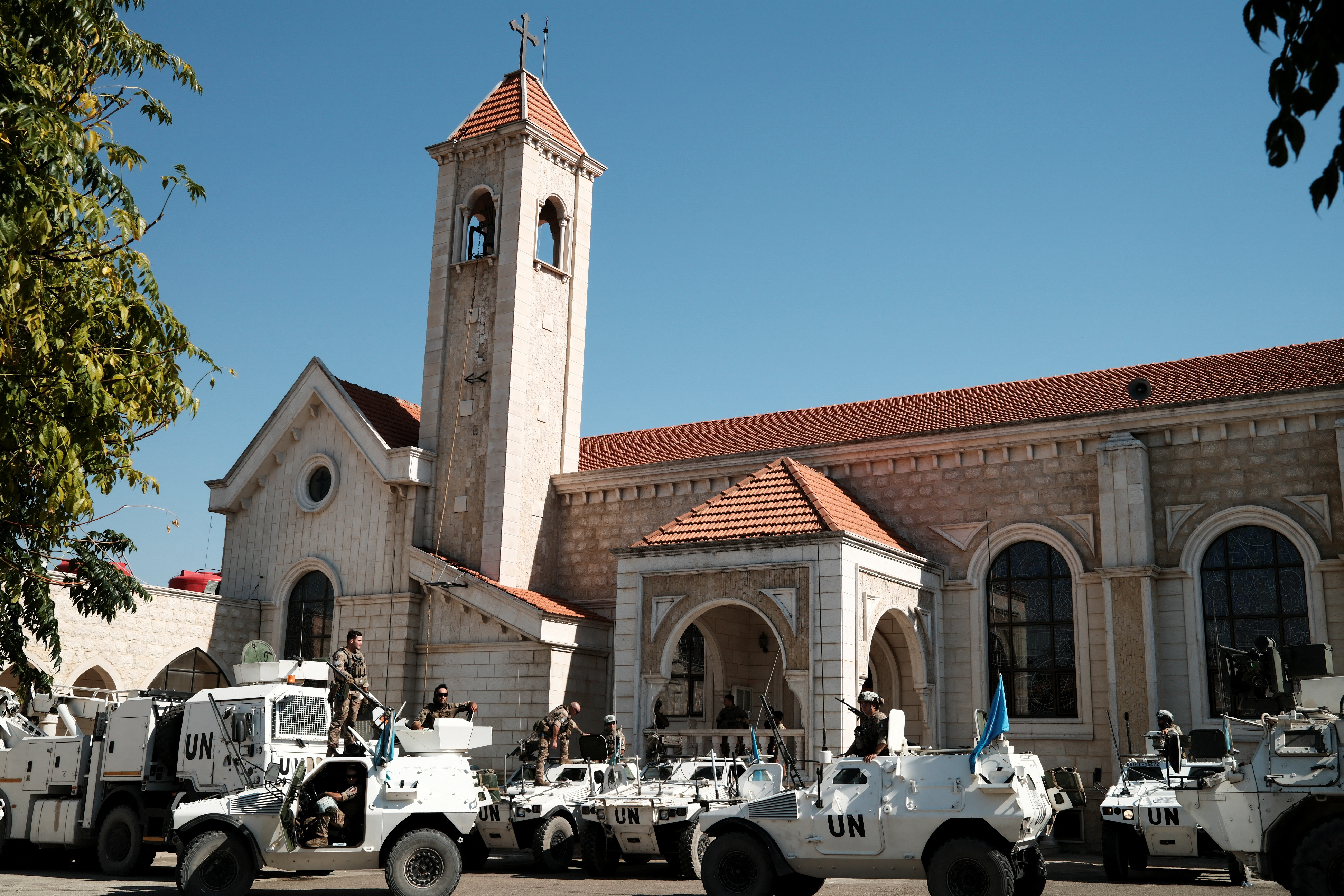
He said he hopes for a decision before the Dec. 31 mandate expiry, noting that a late decision would still need to include a transition period built into the resolution since UNIFIL cannot simply switch overnight into a new form of presence.
Despite what many have described as active US resistance to any UN presence in the south, “the door hasn’t closed yet on the conversation,” a senior diplomat close to the Security Council told Arab News. Another senior UN official said Washington does not want a “weak Lebanon.”
Other diplomats say the US has signaled to other council members that it would be open to other countries deploying their own presence in Lebanon so long as it is not under a UN flag.
Planning for UNIFIL’s withdrawal, Lacroix said, is underway regardless. He did not spell out a worst-case scenario for a Lebanon without any UN presence, but reiterated that authorities in the country have been unanimous in telling the UN that they want to preserve some form of it.
That request, a couple of months after the secretary-general’s proposal was submitted, hardened into a Lebanese wish to see UNIFIL’s mandate extended. The decision, Lacroix said, rests with the council.
He added that the UN’s role in Lebanon extends well beyond any peacekeeping presence to a political role and support for humanitarian assistance, and that the UN sees itself as complementary to, not competing with, the other initiatives underway. “We want to be complementary. We want to be supportive.”
Responding to criticism that UNIFIL failed to disarm Hezbollah over its decades in Lebanon, Lacroix said that was never part of the mission’s mandate.
UNIFIL’s role, he added, was to liaise and help prevent an unintended resumption of hostilities — “a role in which it was quite effective” — and to support Lebanese authorities and the LAF in recovering control of weapons south of the Litani River.
That task required political will that was absent in Lebanon for years, for reasons he said he was not there to judge.
“Now we have different political dynamics, with very clear and courageous decisions by the Lebanese authorities,” he said, pointing to the current talks with Israel as evidence of a shift — even as he cautioned that Lebanon’s security situation remains difficult and its population is still affected by violence. “There’s potentially hope for those goals being achieved, but there’s still a long way to go,” he said.
France laid out its own position during this month’s Aqaba Initiative Summit in Paris, arguing that a credible LAF deployment plan must come before any international force.
Lacroix called the ask “obviously ambitious,” adding that both the UN and senior Lebanese military officers are “keenly aware” of the LAF’s weaknesses and shortcomings, which is precisely why the country has requested international support.
He said more needs to be done, particularly given the current political backdrop, which is an opportunity that “needs to be seized, it shouldn’t be missed,” and which requires “strong international support” with the UN as part of it.
What more Lebanon itself needs to do, in Lacroix’s telling, is less a single unmet demand than an ongoing process that has to be matched by “practical capacity-building” and “maybe logistical support” from the international community, including the UN.
He added that the effort cannot be purely military: alongside degrading Hezbollah’s remaining capacity and enabling the LAF to take full control — which he said would also require an Israeli withdrawal — “there has to be also a broader socioeconomic and political process in Lebanon, aiming at addressing some of the key factors” driving the country’s instability.
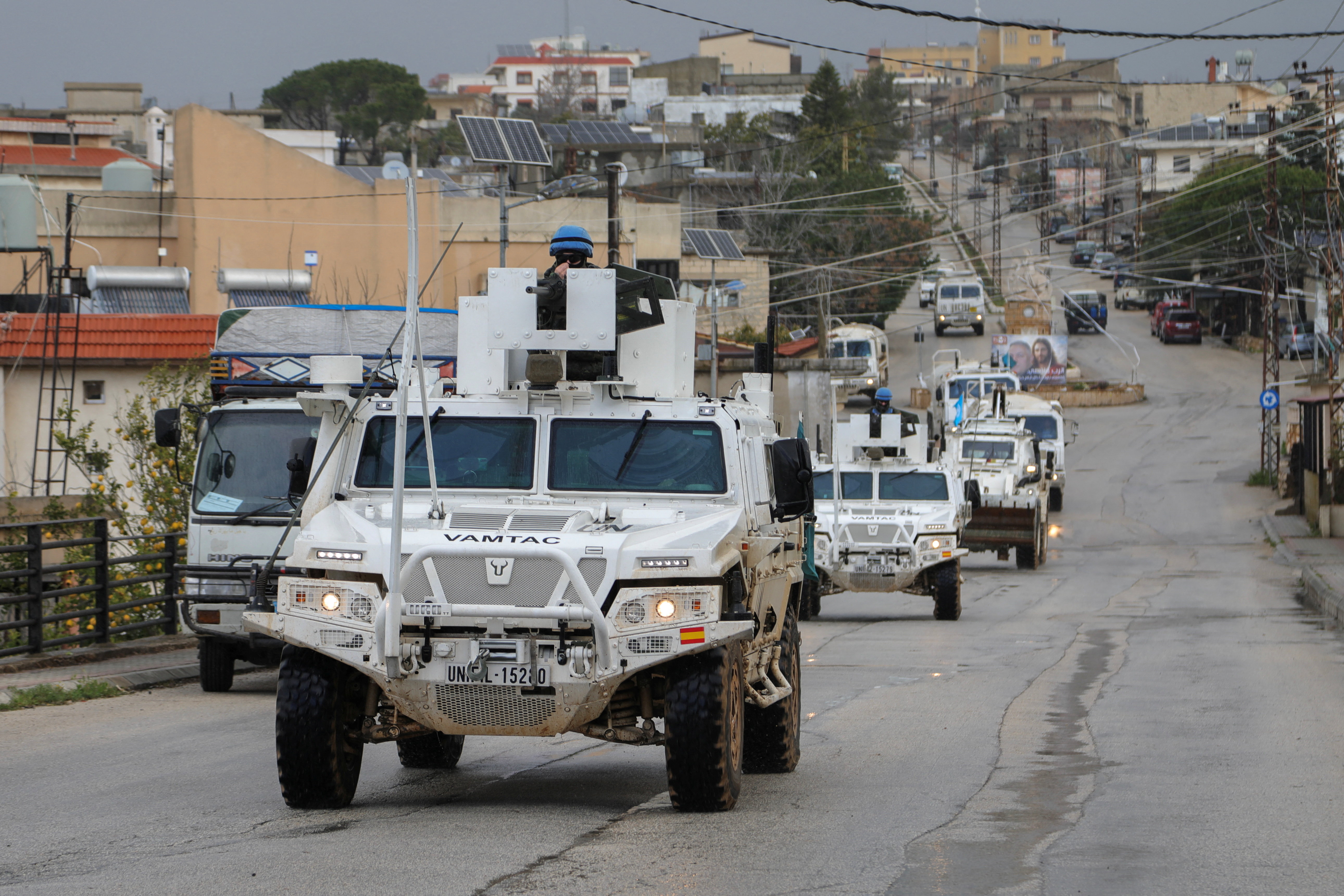
Watching UNIFIL wind down after nearly five decades carries personal weight for Lacroix.
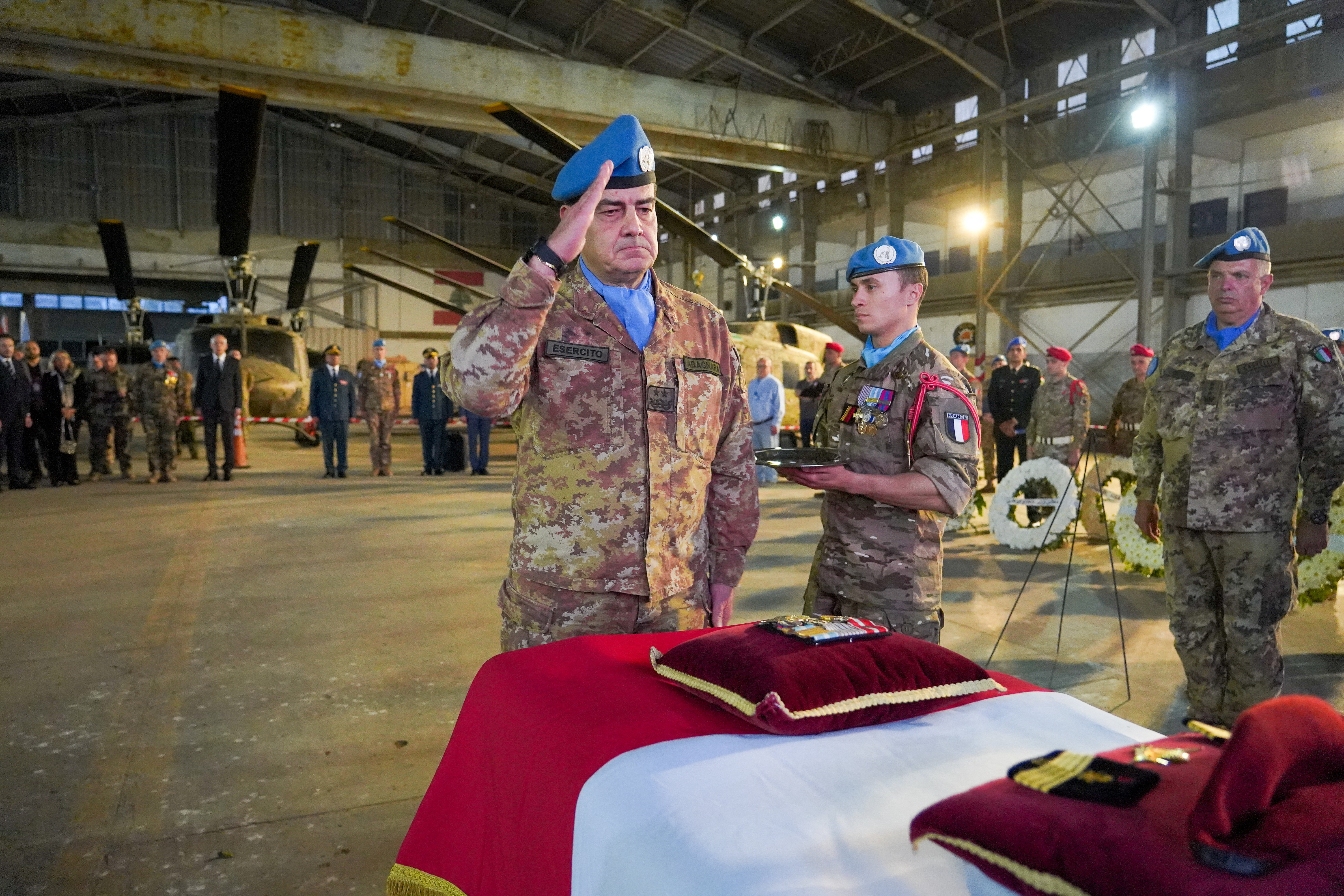
“I think about the peacekeepers who’ve been working very hard over those decades, and I think in particular of those peacekeepers who’ve been killed, who lost their lives serving the UN, serving peace, serving the Lebanese people,” he said. “So there’s obviously a degree of emotion.”
He said the connection between UNIFIL and the Lebanese population “is quite strong,” and Lebanese interlocutors — officials and ordinary people alike — recognize the mission’s work over the years.
“I hope, because of that, that we can maintain a role,” he added. “That’s the wish of the Lebanese authorities. I believe that’s the wish of the Lebanese people.
“Now things must evolve — that’s quite clear ... But I think the UN continues to have an important role to play in supporting Lebanon.”