- UNICEF reports fragile progress in Gaza’s fight against malnutrition
- The UN emphasizes the need for open crossings to sustain humanitarian aid
GENEVA: Gains in tackling malnutrition in Gaza remain fragile and could be undermined by disruptions to supplies entering the Palestinian enclave, the UN children’s agency UNICEF said on Friday, urging that all crossings remain open.
Israel said on Wednesday commercial goods were no longer entering Gaza because of what it described as a dispute over taxes between local merchants and militant group Hamas. That has cut off a vital source of food and other goods in a territory where most depend on humanitarian assistance after three years of war, repeated displacement and stringent Israeli restrictions on aid deliveries.
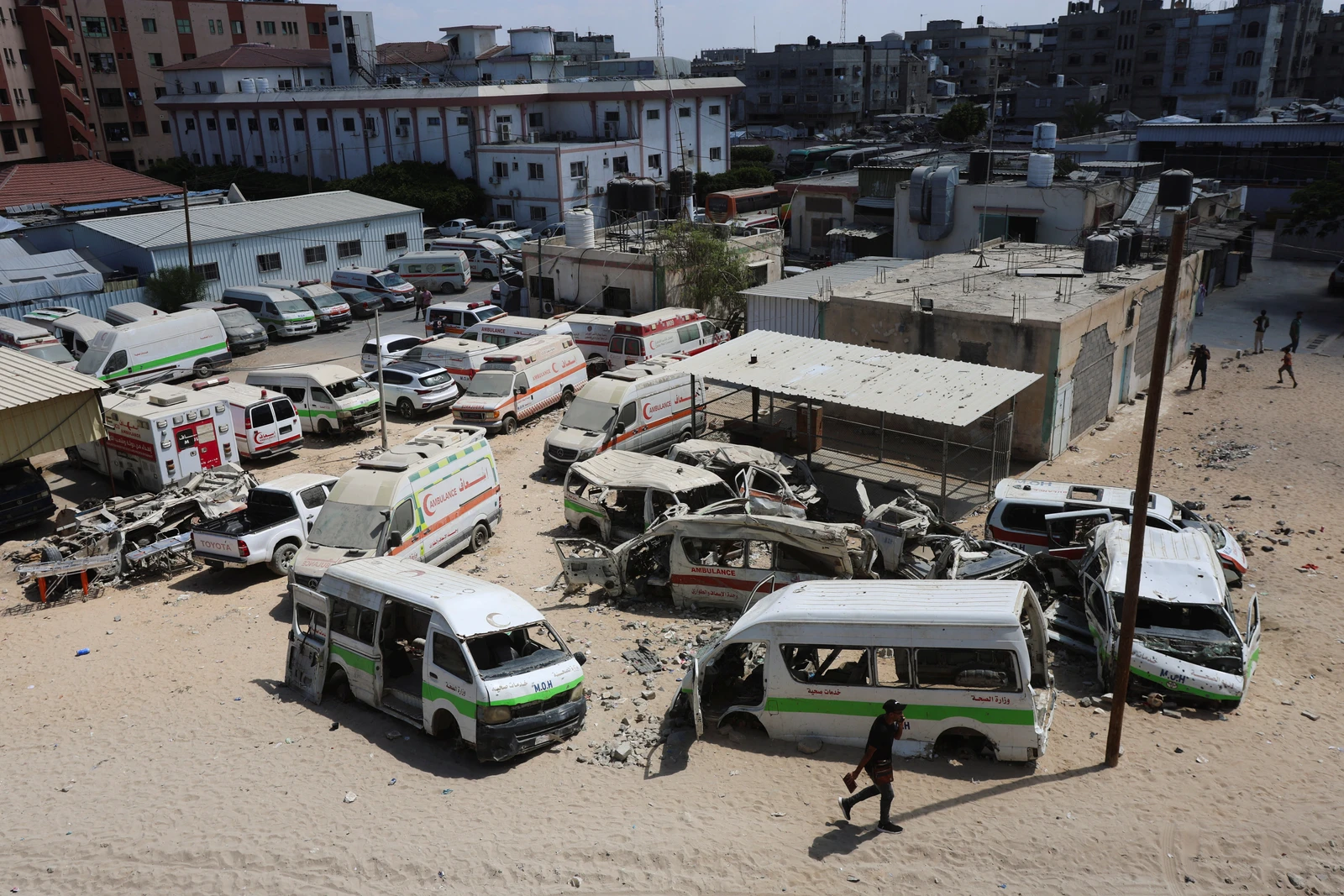
Although the ceasefire has improved aid access and reduced large-scale fighting, humanitarian agencies say ongoing strikes, continued displacement and widespread destruction have left civilians highly vulnerable.
Speaking to reporters in Geneva, UNICEF spokesperson Ricardo Pires said the flow of both commercial and humanitarian supplies must remain predictable and continuous.
“The impact on children obviously will be felt if this situation is not resolved,” he said.
“We can’t go back to a situation where children and families are not getting all the supplies, goods, and services that they require.”
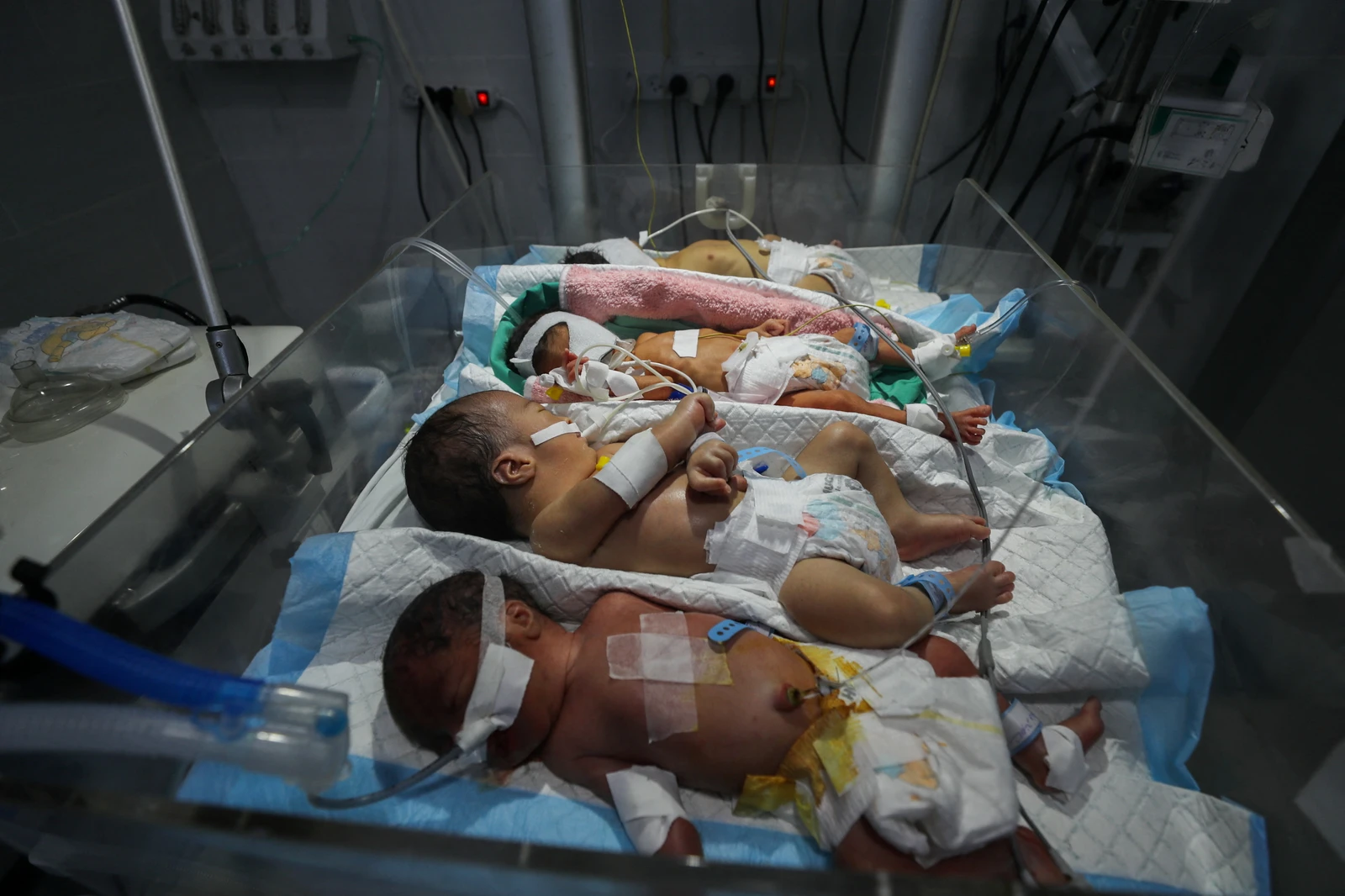
A new UNICEF report published on Friday found that while the ceasefire since October has allowed more humanitarian aid and commercial supplies to enter, acute malnutrition remains a risk. The report said progress in pushing back the threat of famine, confirmed by a global food security monitor in August last year, had been achieved through a scaled-up food and nutrition response, the easing of restrictions on the entry of food and nutrition supplies, and the ceasefire.
However, those gains remain fragile, it said.
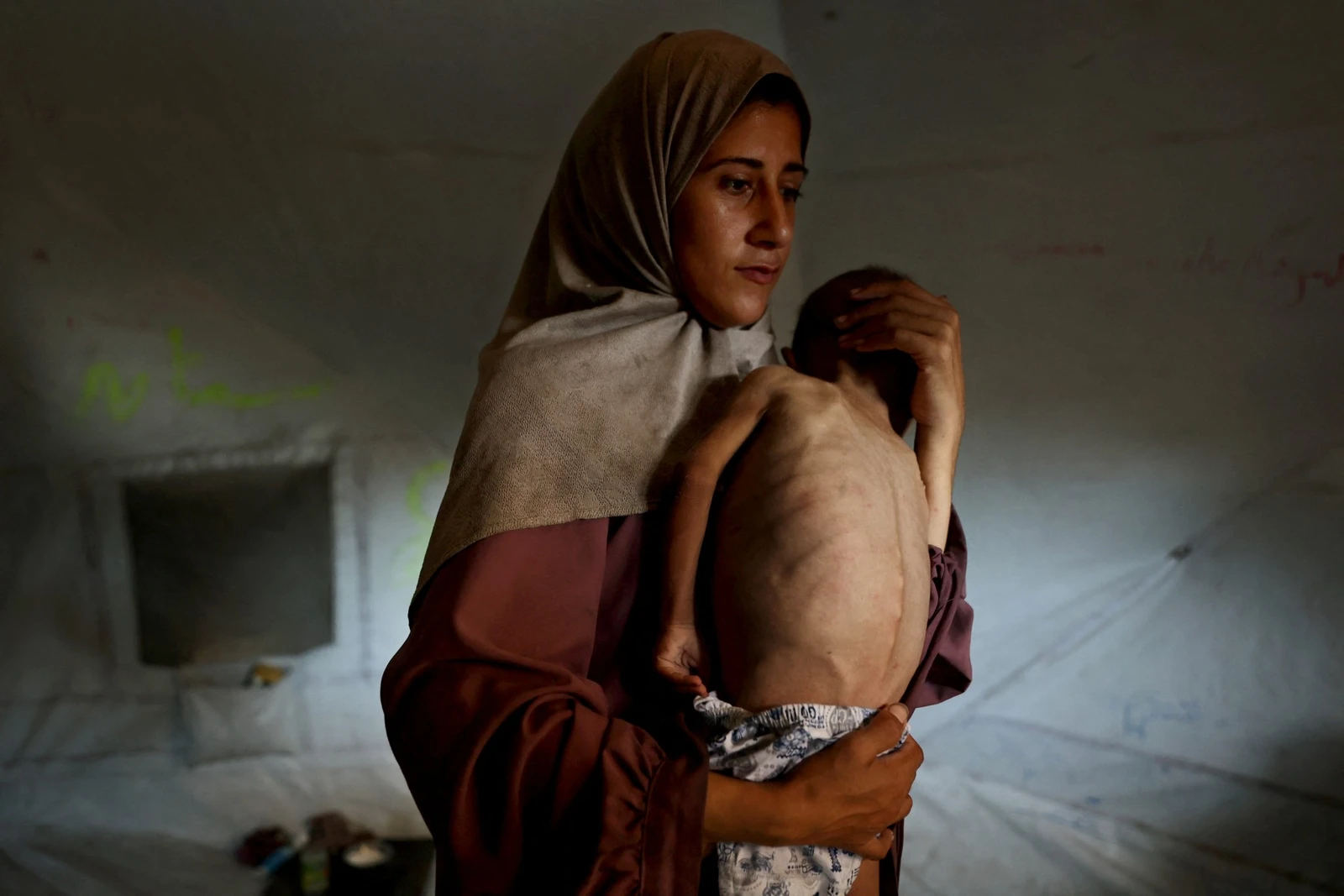
“Acute malnutrition rates have fallen, but only one in three children under the age of two is currently achieving minimum dietary diversity,” the report stated. A survey conducted by UNICEF in June also found a significant prevalence of chronic malnutrition, affecting one in eight children under five. UNICEF also called for improvements in living conditions in the largely devastated enclave, where some 800,000 children are still displaced and most live in tents or unsafe buildings as winter approaches, saying better shelter and basic services are essential to support a lasting recovery.