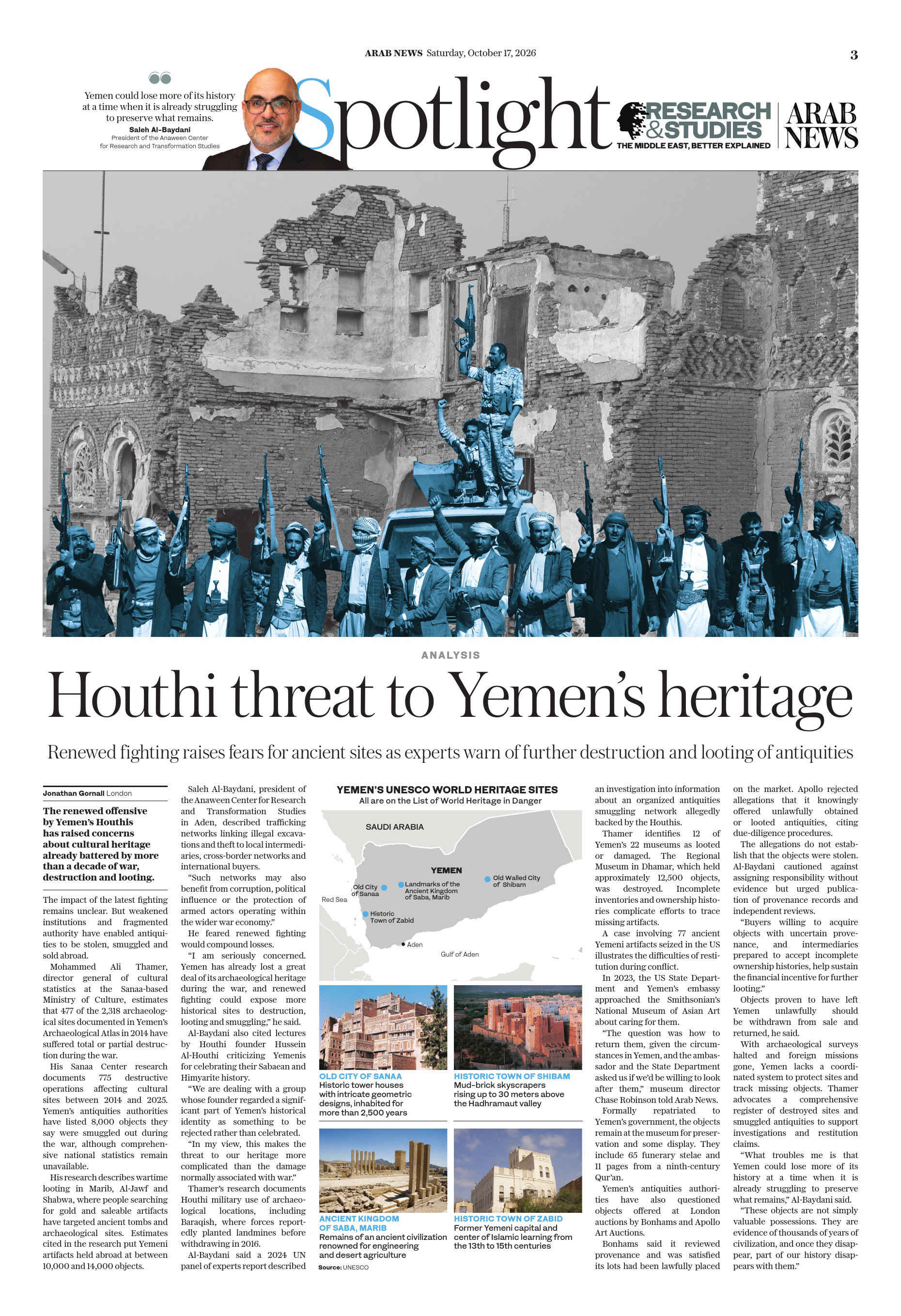
- More than a decade of conflict damages hundreds of archaeological sites and leaves museums vulnerable to looting
- Experts warn renewed fighting could accelerate the loss of Yemen’s ancient heritage and fuel illicit trade in artifacts
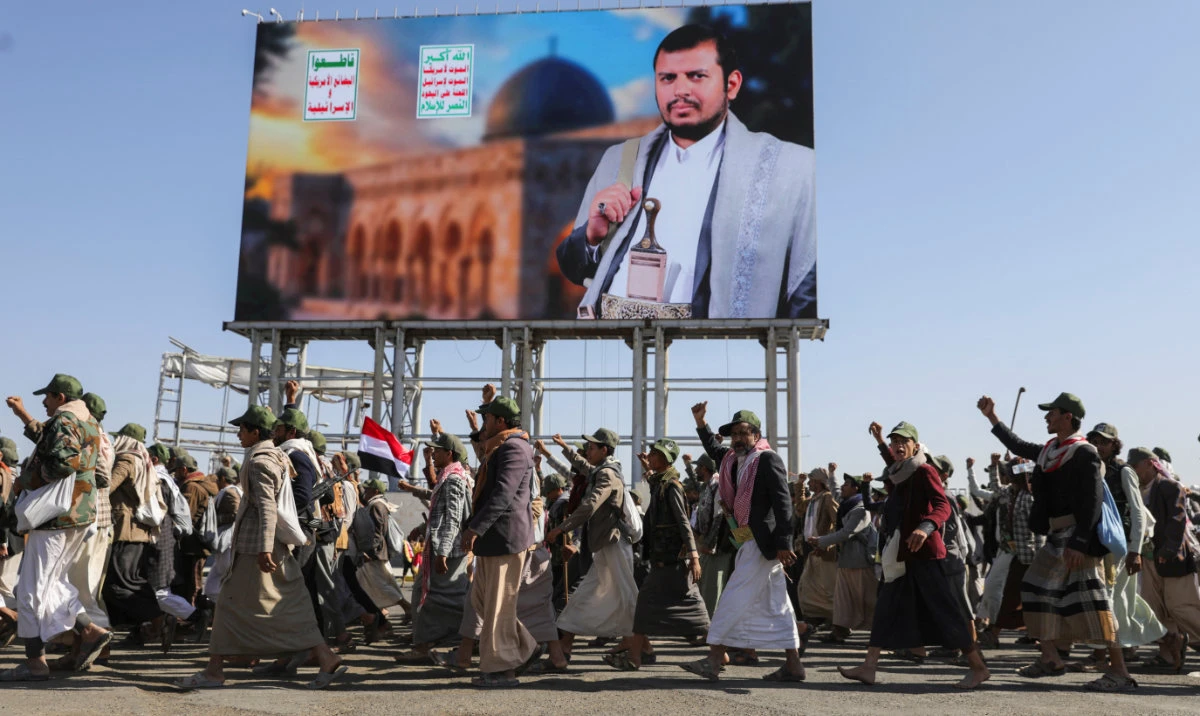
LONDON: The renewed offensive by the Houthi militia in Yemen has raised fresh concerns about the fate of a cultural heritage already battered by more than a decade of war, destruction and looting.
The impact of the latest fighting on archaeological sites and museum collections remains to be established. But years of conflict, weakened institutions and fragmented authority have created conditions in which antiquities can be stolen, smuggled and sold to international buyers.
Mohammed Ali Thamer, director general of cultural statistics at the Sanaa-based Ministry of Culture, estimates that approximately 477 of the 2,318 archaeological sites documented by Yemen’s Archaeological Atlas in 2014 have suffered total or partial destruction during the war.
His research for independent Yemeni think tank the Sanaa Center, drawing on ministry records, statistical data and the Yemen Data Project, also documents 775 destructive operations affecting cultural sites between 2014, when the civil war in the country began, and 2025.
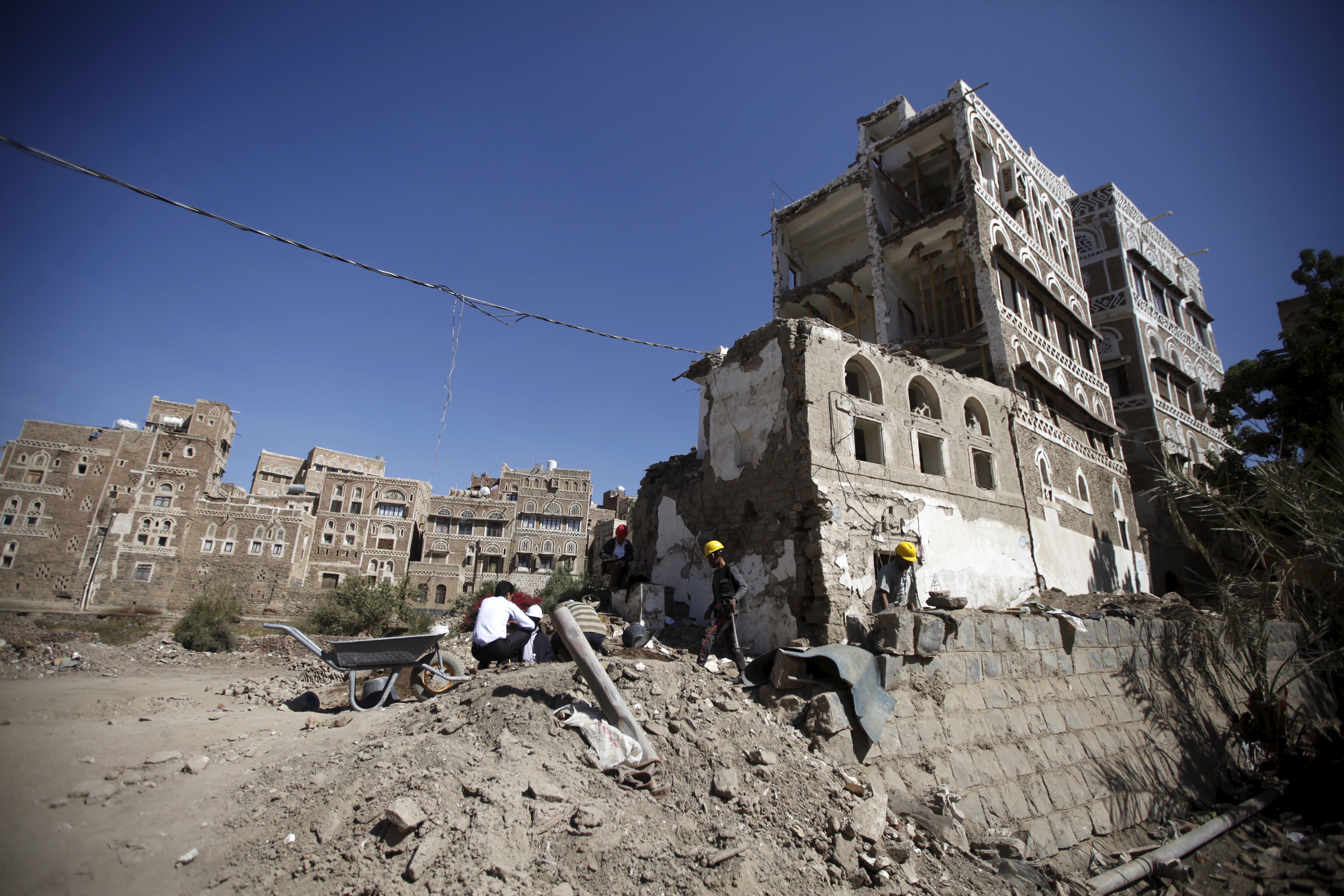
The illicit trade is harder to quantify. Comprehensive national statistics on stolen artifacts remain unavailable, making it impossible to establish precisely how many objects have disappeared, where they originated or who ultimately profits from their sale.
Yemen’s antiquities have attracted foreign collectors for centuries, with the movement of objects abroad intertwined with the country’s colonial history. But the contemporary problem extends far beyond disputed colonial acquisitions.
Thamer’s research describes a new wave of looting during the current war, particularly in Marib, Al-Jawf and Shabwa, where ancient tombs and archaeological sites have been targeted by people searching for gold and saleable artifacts.
Estimates cited in his research put the number of Yemeni artifacts held abroad at between 10,000 and 14,000, while Yemen’s antiquities authorities have listed 8,000 objects they said were smuggled out during the war.
Saleh Al-Baydani, president of the Anaween Center for Research and Transformation Studies in Aden, said the deterioration of state institutions had created conditions in which trafficking could flourish.
“The war has weakened state institutions, fragmented authority, reduced the protection of archaeological sites and museums, and created conditions in which looting and trafficking can flourish,” he told Arab News.
The illicit trade, he added, “is rarely the work of a single individual or organization. It commonly begins with illegal excavation or theft from archaeological sites, museums or storage facilities. Objects then pass through local intermediaries and cross-border networks before reaching dealers, auction houses, private collectors or other buyers abroad.
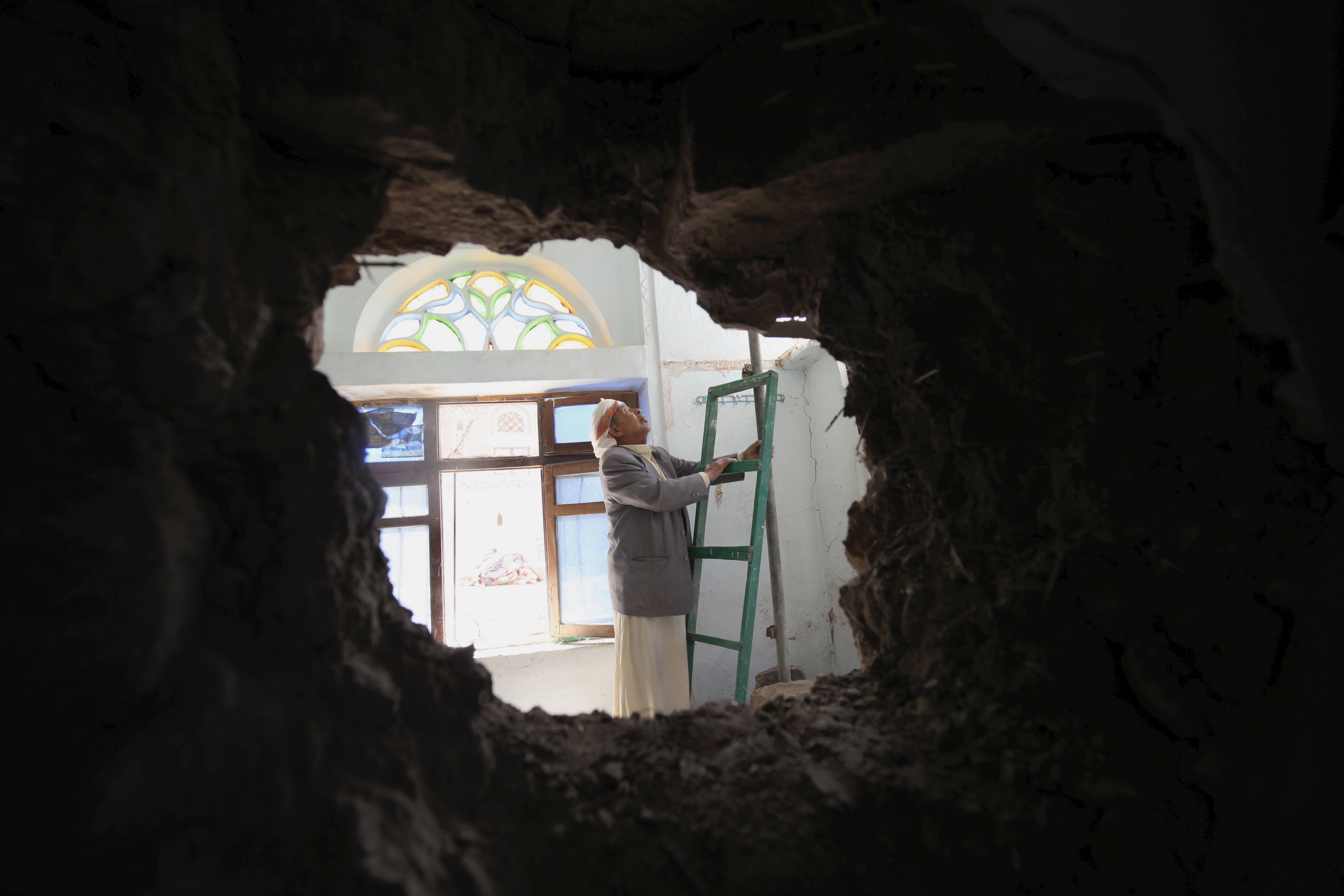
“Such networks may also benefit from corruption, political influence or the protection of armed actors operating within the wider war economy.”
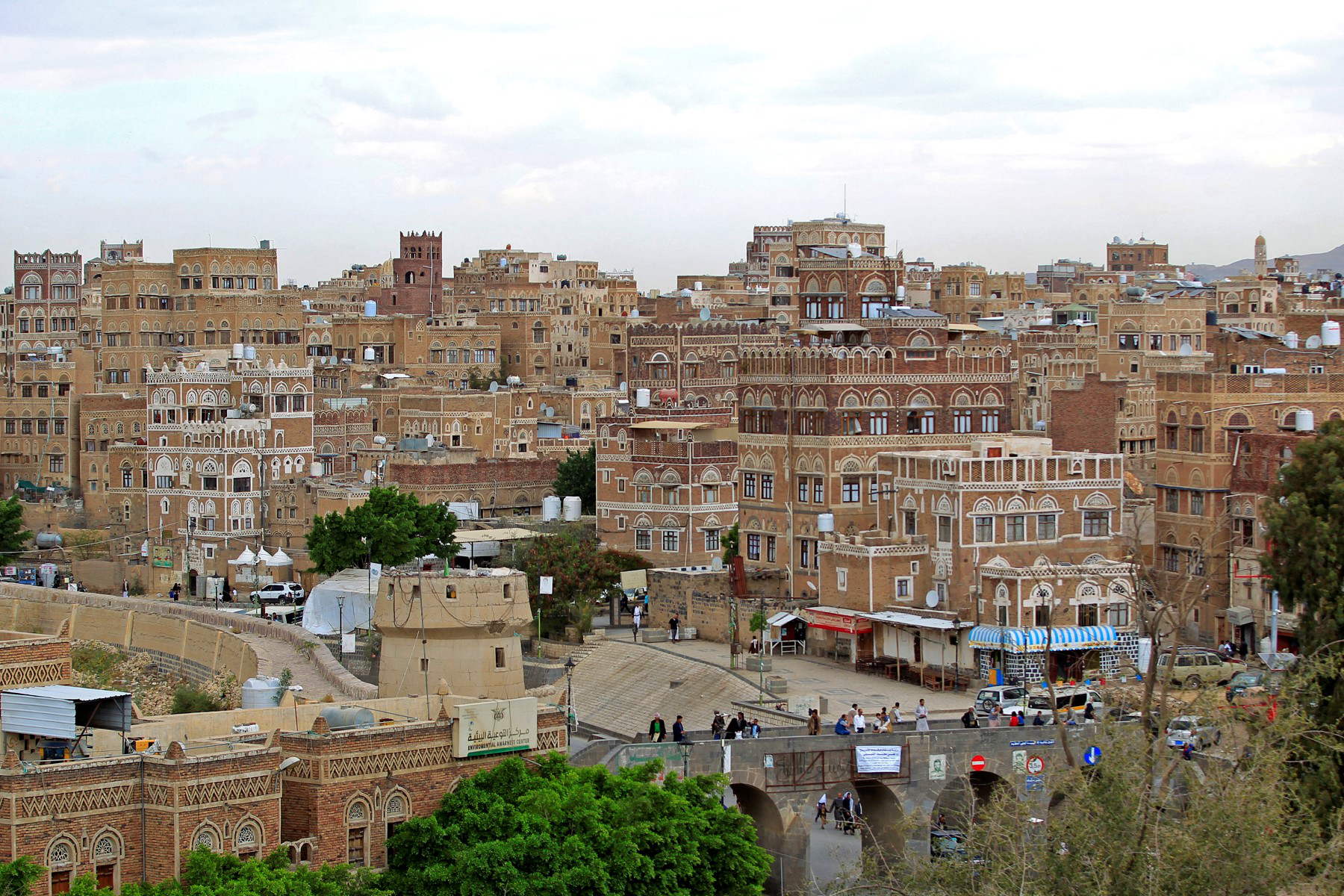
The Houthis control several of Yemen’s most important archaeological and historic sites, including the Old City of Sanaa, the historic town of Zabid and sites associated with the ancient Kingdom of Saba in Marib. The walled city of Shibam, in Hadramawt, is another of the country’s internationally recognized heritage landmarks.
Al-Baydani fears renewed fighting could endanger more of the country’s archaeological heritage.
“I am seriously concerned,” he said. “Yemen has already lost a great deal of its archaeological heritage during the war, and renewed fighting could expose more historical sites to destruction, looting and smuggling.”
He warned that the threat extended beyond the direct consequences of combat, pointing to what he described as an ideological problem within the Houthi movement concerning Yemen’s pre-Islamic past.
Al-Baydani cited published lectures by Hussein Al-Houthi, the founder of the movement, in which he criticized Yemenis for celebrating their Sabaean and Himyarite history.
Al-Houthi dismissed the ancient monuments of Marib as little more than remains of columns and characterized the promotion of pre-Islamic civilizations as an attempt to draw Yemenis back to their pre-Islamic past, Al-Baydani said.
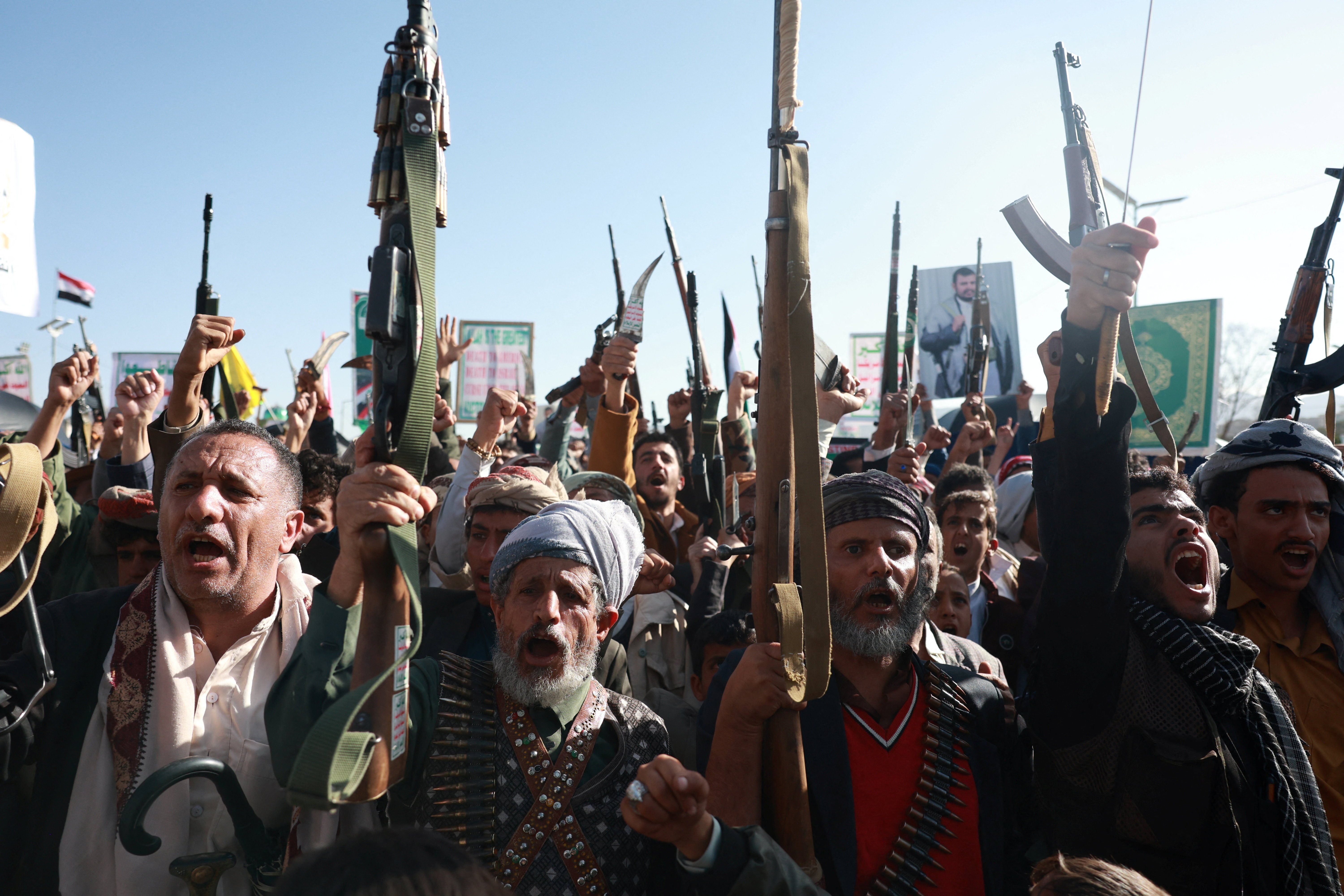
“I think this tells us a great deal about the ideological foundations of the movement,” he added. “We are dealing with a group whose founder regarded a significant part of Yemen’s historical identity as something to be rejected rather than celebrated.
“In my view, this makes the threat to our heritage more complicated than the damage normally associated with war.”
In September, Mohammed Jumeh, Yemen’s permanent delegate to UNESCO, warned that the country’s heritage properties were “endangered due to the impact of war, which has caused extensive damage to cultural and historical landmarks across the country.”
He also highlighted threats to hundreds of other archaeological and heritage sites, particularly from looting.
Thamer’s research documents the military use of archaeological locations by the Houthis, including the ancient city of Baraqish, which was seized by the militia in August 2014. Before withdrawing in early April 2016, Houthi forces reportedly planted landmines around its outskirts.
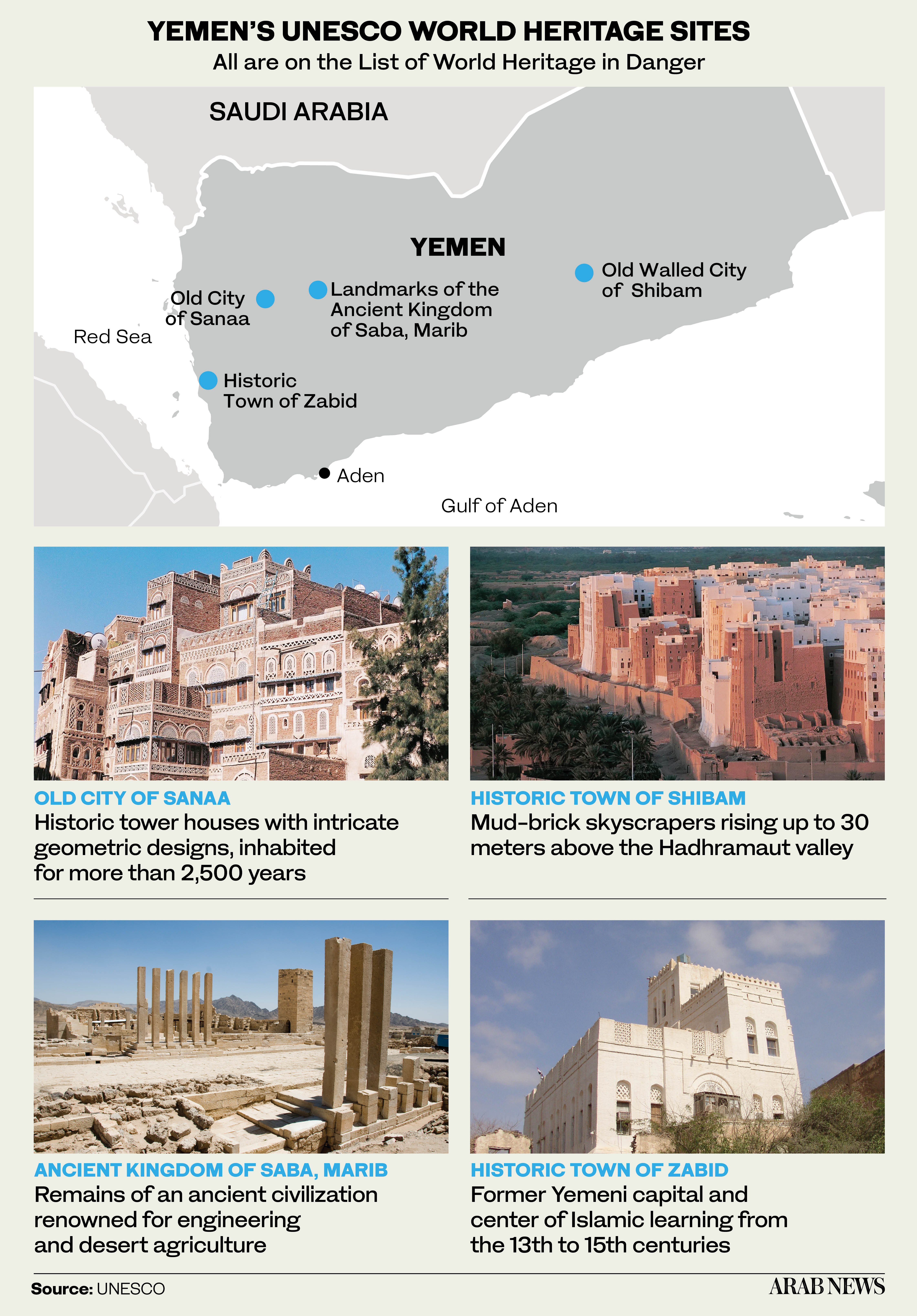
Al-Baydani also highlighted concerns about the financing of the illicit antiquities trade. He said a 2024 report by a UN panel of experts described an investigation into information about an organized smuggling network allegedly backed by the Houthis, through which artifacts were being sold abroad.
“So the concern is not only about what might happen in the future,” he said. “I believe further fighting could lead to more Yemeni antiquities appearing in international markets, although some may remain hidden for years before reaching auction houses or private collections.”
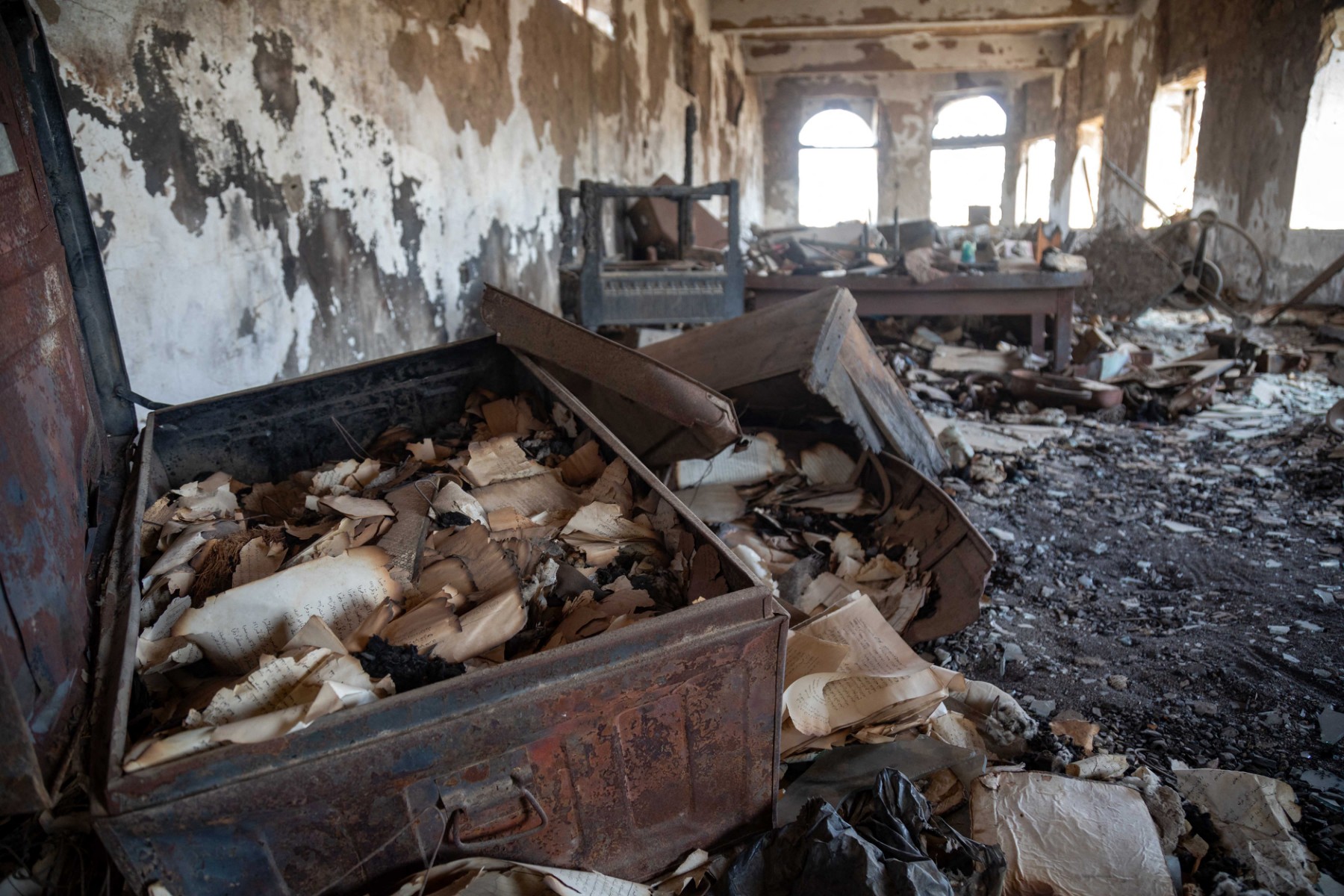
Museums in Yemen have also suffered heavily during the conflict. Thamer identified 12 of the country’s 22 museums as having been looted or damaged. The Regional Museum in Dhamar, which held approximately 12,500 objects, was destroyed.
Museums in Aden, Taiz, Al-Mukalla and Ataq were also affected by fighting and looting, while others in Ibb Governorate, including those at Al-Oud, Al-Mashneh, Dhafar and Jibla, were almost completely looted. Much of the collection of the Military Museum in Sanaa was confiscated.
These losses have created opportunities for objects to enter illicit markets while making it harder for authorities to establish exactly what is missing. Once artifacts pass through several intermediaries, incomplete ownership histories can obscure when and how they left Yemen.
A case involving 77 ancient Yemeni artifacts seized in the US illustrates the difficulties involved in recovering cultural property during a conflict. In 2023, the US State Department and Yemen’s embassy asked the Smithsonian’s National Museum of Asian Art in Washington to take care of the objects.
“These pieces had been in the custody of the US government,” Chase Robinson, the museum’s director, told Arab News.
“The question was how to return them, given the circumstances in Yemen, and the ambassador and the State Department asked us if we’d be willing to look after them.”
The objects were formally repatriated to the Yemeni government but remain with the museum under an arrangement that allows them to be preserved and, in some cases, displayed.
The collection includes 65 funerary stelae, or slabs, from northwestern Yemen, dating to the second half of the first millennium B.C., and 11 pages from a 9th-century copy of the Qur’an. The pages had been concealed behind a photograph in a picture frame and were intercepted after being sent from Yemen to an address in the US. They are believed to have originated in documents taken from the Great Mosque of Sanaa, one of the world’s oldest mosques.
Danielle Bennett, the museum’s deputy director for collections and exhibitions, described one smuggling tactic as the “Hobby Lobby method.”
She told Arab News: “You say they’re modern tiles, falsify the documentation and hope the shipment doesn’t get opened.”
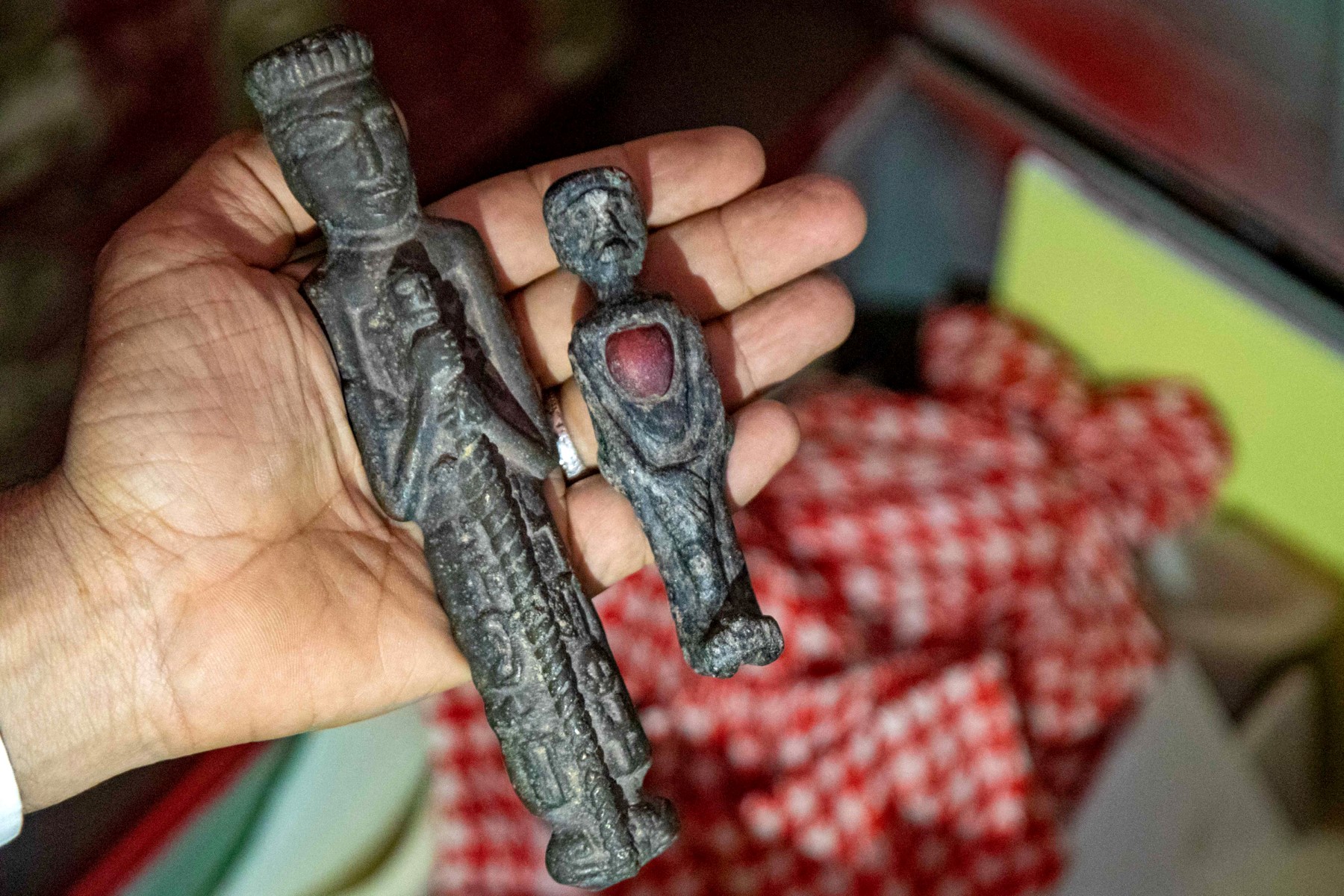
Robinson said larger objects presented different challenges, explaining that “when you go to museums you see a lot of torsoless heads, because if you chop off the head it’s much easier to handle than an entire statue.”
The museum has now adopted stricter provenance requirements, insisting on documentation proving that objects were removed from their countries of origin legally and ethically.
Yemen’s General Organization of Antiquities and Museums has also raised concerns about objects offered at auctions in London in July by Bonhams and Apollo Art Auctions.
Bonhams offered a South Arabian alabaster head of a woman, dated to approximately 2,000 years ago, with an estimate of £5,000 to £8,000 ($6,700-$10,600), and a large South Arabian male head valued at between £20,000 and £30,000. Neither found a buyer.
Bonhams said the male head came from a private collection formed in Aden and exported before November 1967, when the British withdrew from the territory. The auction house told Arab News it had reviewed provenance and was satisfied the lots had been lawfully placed on the market.
Apollo Art Auctions also rejected the allegation it had knowingly offered unlawfully obtained or looted antiquities, citing its due-diligence procedures and the screening of items against the Art Loss Register.
Neither of the allegations establishes that the objects were stolen but the cases nevertheless highlight the importance of scrutinizing ownership histories, particularly for objects originating in a country affected by prolonged conflict and documented heritage losses.
Al-Baydani cautioned against attributing responsibility to individual institutions or buyers without evidence.“However, those dealing in antiquities have a clear duty to conduct rigorous due diligence,” he added. “They should be able to demonstrate a credible chain of ownership, produce relevant export records and explain when and how an object first entered the international market.
“Buyers willing to acquire objects with uncertain provenance, and intermediaries prepared to accept incomplete ownership histories, help sustain the financial incentive for further looting.”
Al-Baydani called on the British Museum and auction houses to publish provenance records for objects identified by Yemeni authorities, and to cooperate with independent reviews. Any object shown to have been removed from Yemen unlawfully, he said, should be withdrawn from sale and returned.
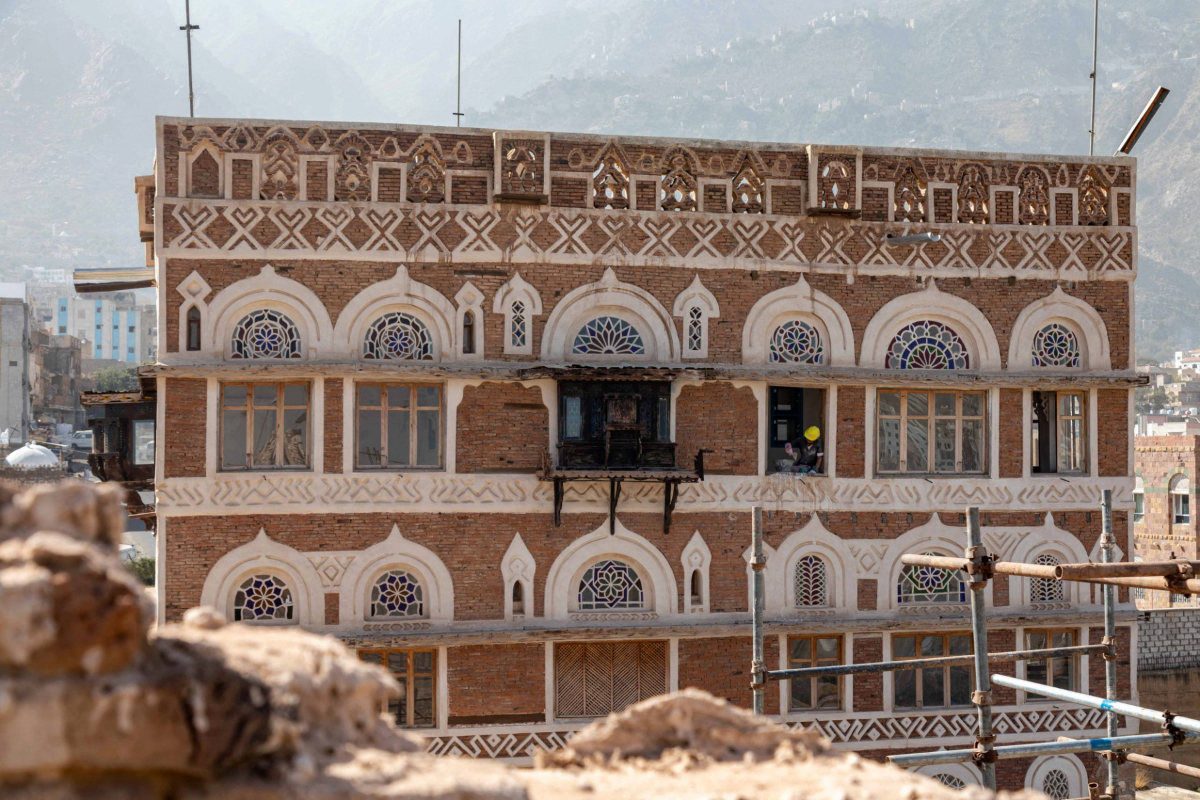
Yemen’s antiquities authorities face a formidable task. Archaeological surveys have stopped, foreign missions have departed and the country lacks a coordinated system for protecting sites and tracking missing objects.
Thamer said that Yemen needed a comprehensive register of destroyed archaeological sites and antiquities smuggled and sold overseas. Such a record could help investigators trace objects, support restitution claims and establish the scale of the losses.
Al-Baydani warned the consequences of further losses would extend beyond the disappearance of individual objects.
“What troubles me is that Yemen could lose more of its history at a time when it is already struggling to preserve what remains,” he said.
“These objects are not simply valuable possessions; they are evidence of thousands of years of civilization and once they disappear, part of our history disappears with them.”