- Bargain-hunting wealth fund invests in Boeing, Facebook, Disney, Starbucks and more
DUBAI: Saudi Arabia’s sovereign wealth fund has gone bargain hunting during the current economic turmoil, snapping up about $7.7 billion worth of shares in some of the best known companies in the world.
The $300 billion Public Investment Fund bought stakes in global corporate leaders such as Boeing, Facebook, Disney, Marriott and Starbucks. It also invested in two big US banks, Citigroup and Bank of America, and took holdings in oil giants BP, Total and Royal Dutch Shell.
Stock market experts said the buying spree reflected confidence on the part of the PIF that companies badly affected by the economic fallout from the COVID-19 pandemic would recover quickly, and their share prices would rise.
“The PIF seems to have taken a view on prices from a long-term perspective. We must assume they bought when they were down on the assumption they’ll go back up,” Tarek Fadlallah, chief executive of Nomura Asset Management in the Middle East, told Arab News.
Explaining its investment rationale, the PIF described itself as “a patient investor with a long-term horizon. As such, we actively seek strategic opportunities both in Saudi Arabia and globally that have strong potential to generate significant long-term returns while further benefiting the people of Saudi Arabia and driving the country’s economic growth.”
A declaration to the US stock market regulator showed PIF having positions worth about $10 billion in 24 companies. The biggest, worth just over $2 billion, was an already declared holding in taxi app Uber.
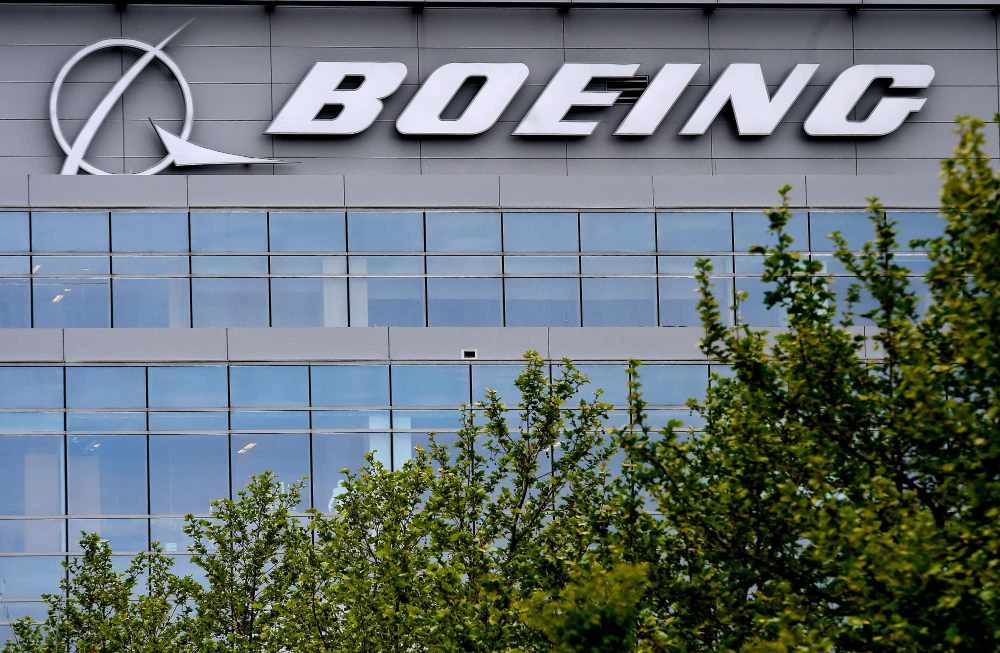
The next biggest was an investment in BP, nearly 34 million shares valued at $827 million, followed by the Boeing stake for $713 million. Facebook and Citigroup stakes were valued at about $521 million each.
The new PIF portfolio has a strong bias toward travel, entertainment and hospitality, with shareholdings in the Marriott hotel chain, the online travel company Booking.com and events promoter Live Nation.
There is also interest in technology with investments in Cisco, Qualcomm and Broadcom, and in pharmaceuticals via a stake in Pfizer.
One notable smaller purchase was in Berkshire Hathaway, the vehicle of legendary investor Warren Buffet, who recently sold big stakes on a pessimistic view of future valuations. One Saudi banker said: “That’s a cheeky way of PIF telling Buffet that they are more optimistic than him.”
US stocks lost about 30 per cent of their value in the crash after the global lockdowns began, but have since recovered about half of that decline after large-scale fiscal intervention by the federal authorities.