Aramco, stc drive Saudi brands’ value up 14% to $117bn, new report shows 

Aramco, stc drive Saudi brands’ value up 14% to $117bn, new report shows 
Aramco retained its position as the Kingdom’s most valuable brand. Shutterstock
Short Url
Updated 22 May 2025
Follow

Aramco, stc drive Saudi brands’ value up 14% to $117bn, new report shows 

Aramco, stc drive Saudi brands’ value up 14% to $117bn, new report shows 
  • Energy, banking, and telecommunications represent nearly 74% of the total brand value in the rankings
  • Dairy producer Almarai is recognized as the Kingdom’s third strongest brand

RIYADH: Saudi Arabia’s top 100 brands reached a combined valuation of $116.8 billion as of January, up 14 percent year on year, led by energy giant Aramco and telecom operator stc, according to a new report.

Marketing consultancy firm Brand Finance said Aramco retained its position as the Kingdom’s most valuable brand for the sixth consecutive year, with a valuation of $41.7 billion.

The company’s strength stems from its global oil production capabilities and investments in low-carbon technologies. 
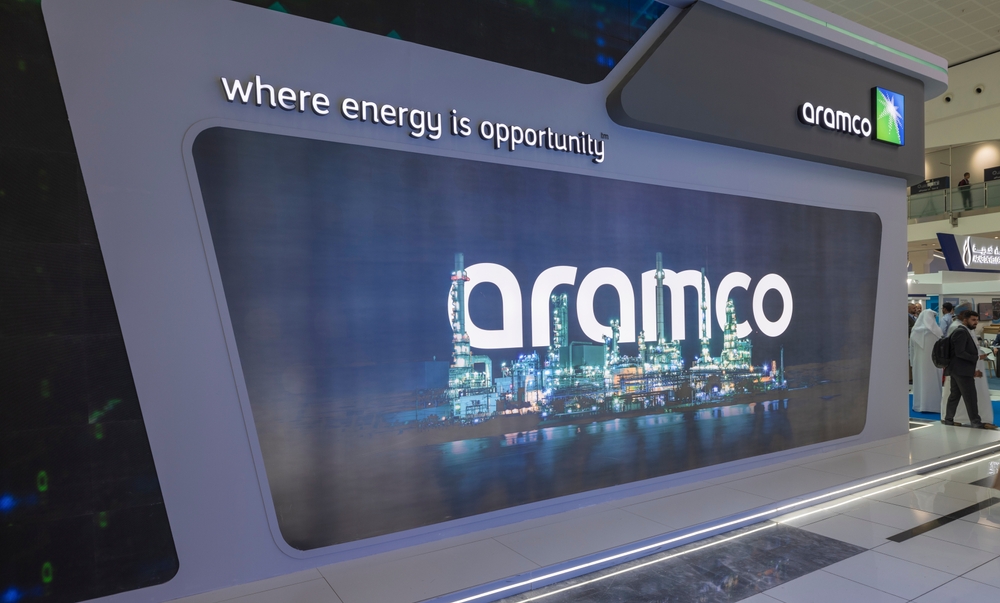


Aramco retained its position as the Kingdom’s most valuable brand for the sixth consecutive year. Shutterstock

The Kingdom’s economy remains heavily influenced by its core sectors — energy, banking, and telecommunications — which together represent nearly 74 percent of the total brand value in the rankings. This sector concentration underscores Saudi Arabia’s ongoing economic diversification efforts as part of its Vision 2030 strategy. 

Andrew Campbell, managing director, Brand Finance Middle East, said: “Saudi Arabia’s brand landscape is evolving at an impressive pace, driven by bold strategies, innovation, and a clear vision for the future.” 

He added: “From long-standing powerhouses like Aramco and stc to fast-rising brands like Saudia and Almarai, there’s a real sense of momentum across sectors. These brands are not only contributing to the Kingdom’s economic transformation but also setting new benchmarks for excellence in the region and beyond.” 

The report further revealed that stc ranked as the Kingdom’s second most valuable brand in 2025, with a valuation of $41.7 billion, up 16 percent year on year. 

This growth is primarily linked to the successful implementation of its Masterbrand strategy, which facilitated expansion into sectors like banking, cybersecurity, B2B, and IT services through strategic mergers and acquisitions. 
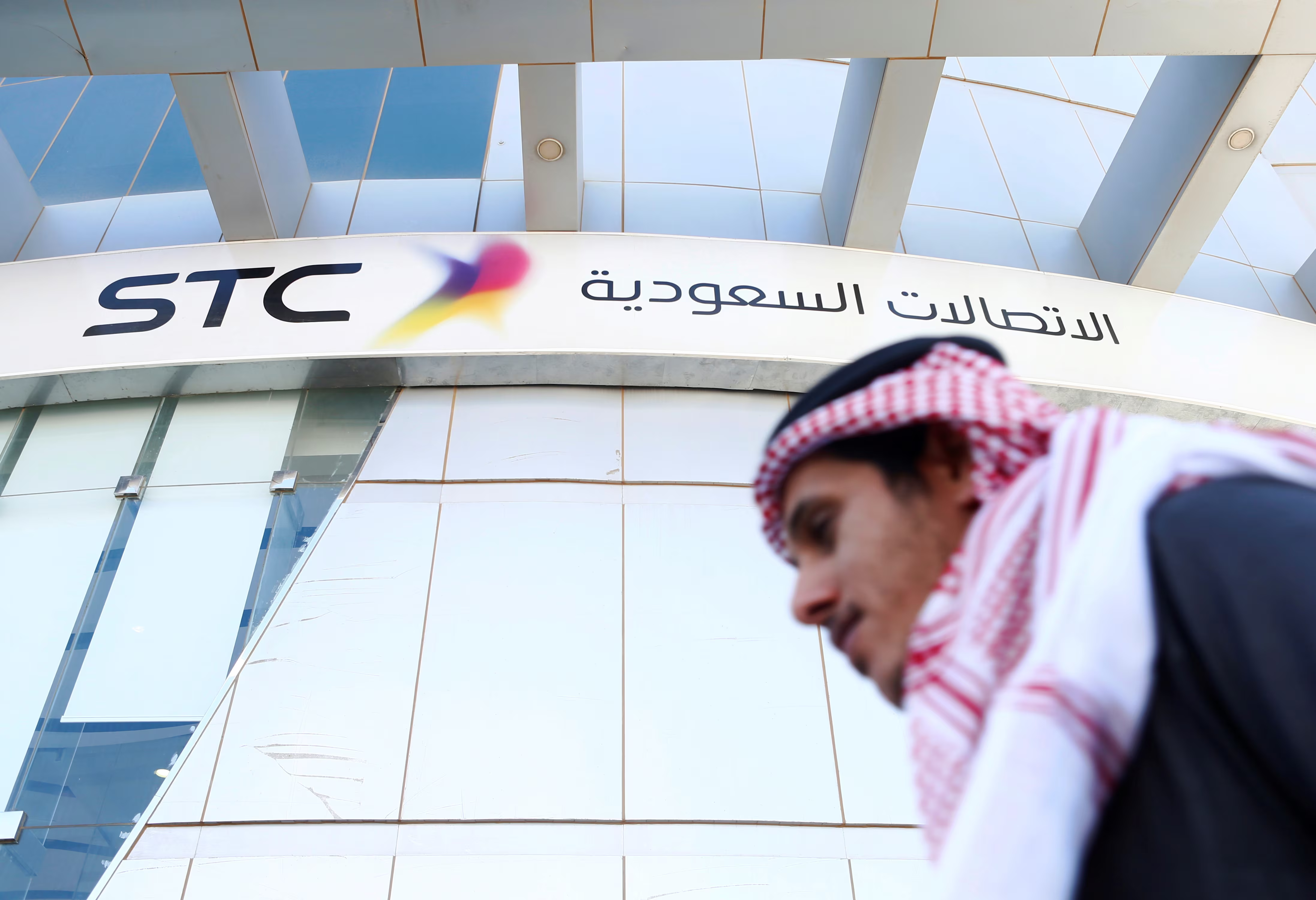


stc ranked as the strongest brand in Saudi Arabia, earning a Brand Strength Index score of 88.7 out of 100 and an AAA rating. File/Reuters

The report by the London-based brand valuation consultancy showed that stc is also ranked as the strongest brand in Saudi Arabia, earning a Brand Strength Index score of 88.7 out of 100 and an AAA rating. Its continued investment in 5G infrastructure and digital financial services has solidified its position as a telecom leader. 

An AAA rating is the highest possible credit or brand strength rating, indicating robust reliability, quality, and performance. 

With brand value up 20 percent to $4.7 billion, Dairy producer Almarai is recognized as the Kingdom’s third strongest brand, earning a Brand Strength Index score of 85.5 out of 100 and an AAA brand strength rating. 
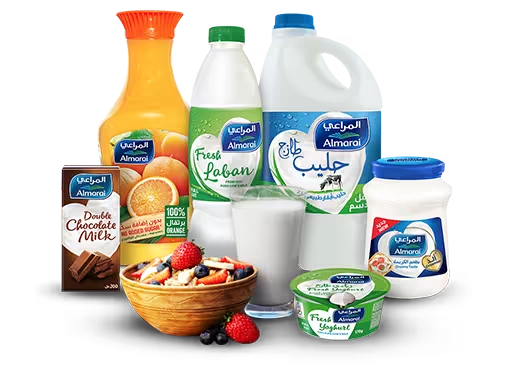


Almarai is also ranked as the top brand in Saudi Arabia for environmental, social, and governance performance. Almarai

This follows the brand’s collaboration with Google Cloud, launched in November, which is driving its digital transformation and enhancing operational efficiency. 

Almarai is also ranked as the top brand in Saudi Arabia for environmental, social, and governance performance, underscoring its strong commitment to ethical business practices, sustainable farming, and reducing carbon emissions. 

As for Saudia, its brand value surged by 34 percent to reach $1.1 billion in January, making it the fastest-growing Saudi brand and marking its first time crossing the billion-dollar milestone. 
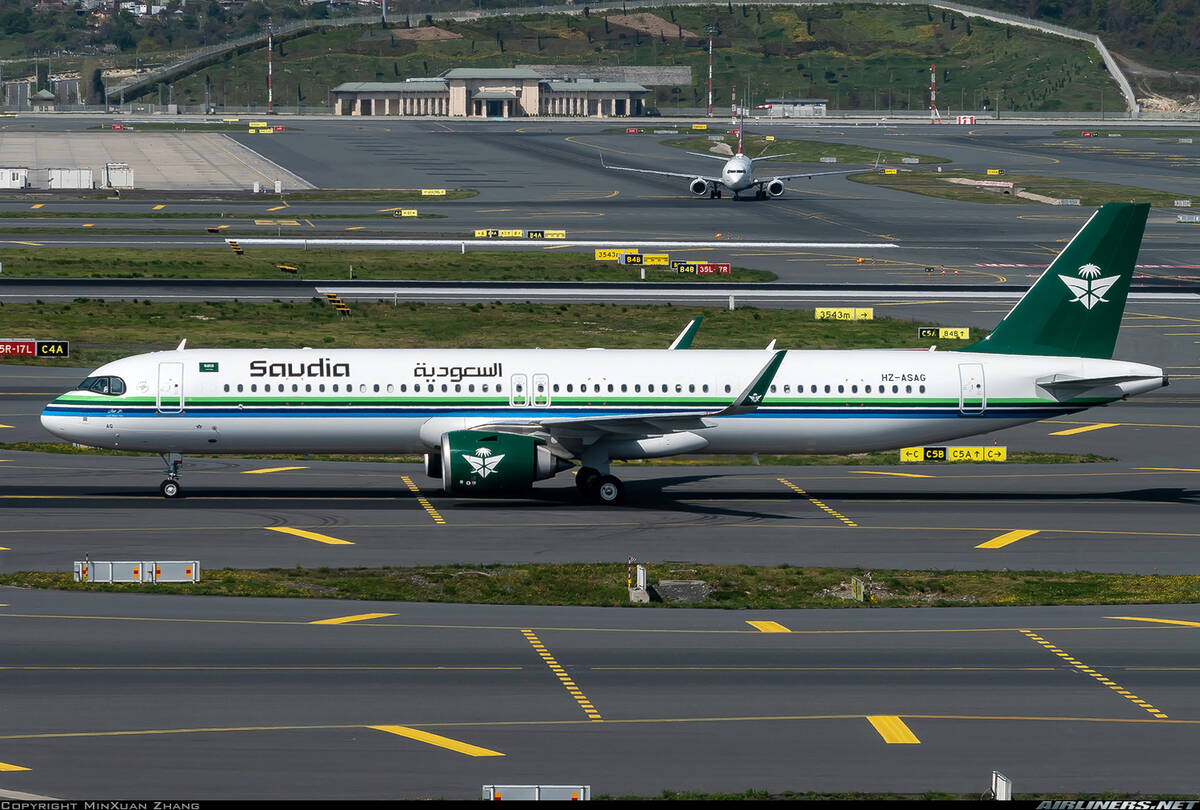


Saudia’s brand value surged by 34 percent to reach $1.1 billion in January. Wikipedia

This achievement is largely attributed to the airline’s bold rebranding, along with advances in AI-driven customer service and infrastructure upgrades, which have significantly boosted its global brand visibility. 

The report further revealed that ROSHN Group, with a brand value of $1.1 billion, is the highest-ranked new entrant in the Kingdom this year. It also became the most valuable real estate brand in the country and secured a place among the top 20 brands overall. This debut reflects the company’s strong financial performance and ambitious expansion strategy. 

“Saudi Arabia’s brand landscape is evolving at an impressive pace, driven by bold strategies, innovation, and a clear vision for the future. It’s particularly exciting to see new entrants like ROSHN Group make such a strong debut, showing that diversification and ambition are paying off,” Campbell added. 

Saudi Arabia’s non-oil sector posts strong growth as PMI hits 60.2 

Saudi Arabia’s non-oil sector posts strong growth as PMI hits 60.2 
Updated 8 sec ago
Follow

Saudi Arabia’s non-oil sector posts strong growth as PMI hits 60.2 

Saudi Arabia’s non-oil sector posts strong growth as PMI hits 60.2 

RIYADH: Saudi Arabia’s non-oil economy accelerated in October, with the Purchasing Managers’ Index climbing to 60.2, its second-highest level in more than a decade, signaling strong business growth momentum. 

The latest survey by Riyad Bank and S&P Global showed a sharp improvement in operating conditions across the Kingdom’s private sector, underpinned by solid demand, rising employment, and robust output growth.  

The October reading, up from 57.8 in September, highlights the sustained momentum of the non-oil economy as Vision 2030 reforms continue to drive diversification away from crude revenues. 

Speaking at the Future Investment Initiative in October, Saudi Arabia’s Minister of Economy and Planning Faisal Alibrahim said the Kingdom’s gross domestic product is expected to expand by 5.1 percent in 2025, supported by continued growth in non-oil activities. 

Commenting on the latest report, Naif Al-Ghaith, chief economist at Riyad Bank, said: “Saudi Arabia’s non-oil private sector recorded a solid improvement in business conditions in October, with the PMI rising to 60.2, marking one of the strongest readings in over a decade.”  

He added: “The acceleration was driven by broad-based gains in output, new orders, and employment, reflecting sustained demand momentum and continued strength in the non-oil economy.”  

Al-Ghaith noted that the latest survey results also indicate a strong start to the final quarter of the year, supported by both domestic and external demand. 

According to the report, the pace of growth in new orders received by non-oil companies accelerated for the third consecutive month in October, with 48 percent of surveyed firms reporting higher sales. 

Participating companies attributed the sales growth to improving economic conditions, a growing client base, and increased foreign investment. 

Output and employment also expanded sharply during the month, with job creation rising at the fastest pace in nearly 16 years.

Al-Ghaith said the persistent rise in new export orders highlights the growing competitiveness of Saudi firms and the progress achieved under ongoing diversification initiatives. 

“The rise in demand encouraged firms to expand production and workforce capacity at the fastest rate since 2009, as businesses expanded capacity to meet new workloads. Purchasing activity and inventories also increased, while suppliers’ delivery times continued to improve, reflecting efficient coordination and resilient supply chains,” he added.  

October data indicated a sharp rise in input costs for non-oil firms, driven mainly by wage increases from salary revisions and bonuses. 

On the outlook, companies remained optimistic, citing strong market demand, ongoing project work, and government investment initiatives. 

“Optimism is underpinned by solid domestic demand and the momentum of ongoing projects. Although some concerns persist around costs and competition, sentiment overall remains strongly positive, reflecting confidence in the economy’s continued expansion and the strength of the non-oil private sector,” concluded Al-Ghaith.