Syria Kurds say lawmaker selection process undemocratic

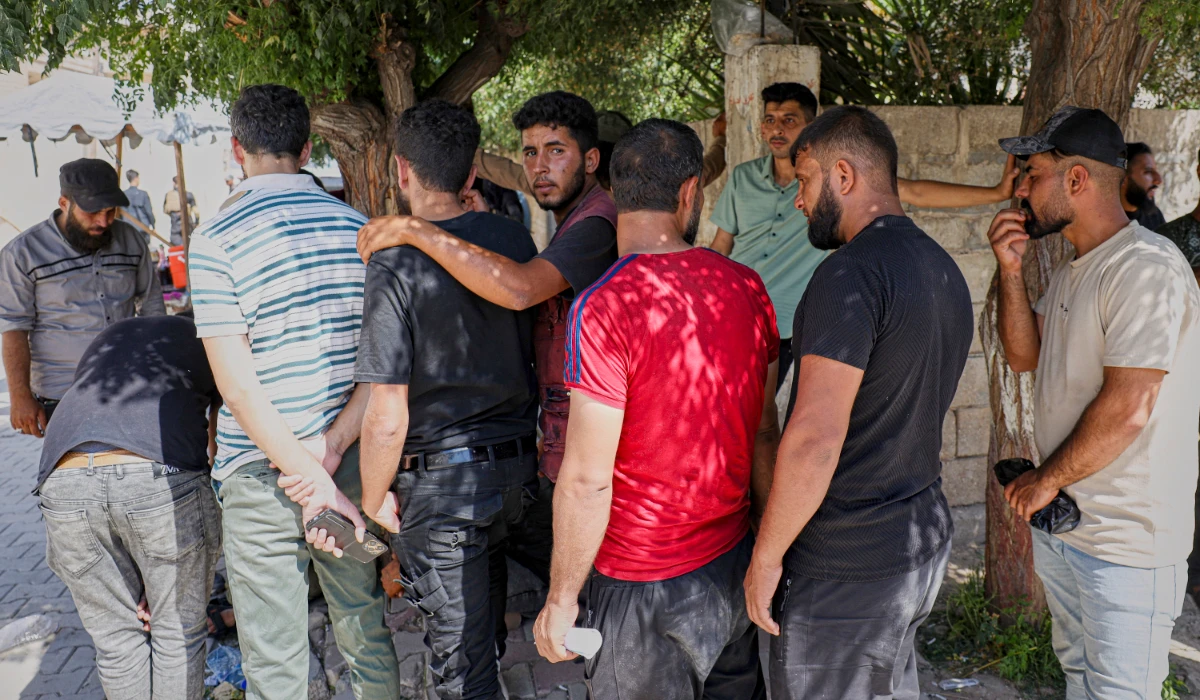
Young Kurdish men line up to sign up to join Syrian government's General Security forces at a police station in Afrin, Syria, an area in the country's north from which Kurds were forcibly displaced years ago, Thursday Aug. 21, 2025. (AP)
1 / 2
Young Kurdish men line up to sign up to join Syrian government's General Security forces at a police station in Afrin, Syria, an area in the country's north from which Kurds were forcibly displaced years ago, Thursday Aug. 21, 2025. (AP)
Syria Kurds say lawmaker selection process undemocratic
2 / 2
Syria’s Kurds on Sunday criticized the upcoming selection of members of a new transitional parliament as undemocratic, after authorities postponed the process for Kurdish-controlled areas in the north. (AP)
Short Url
Updated 24 August 2025
Follow

Syria Kurds say lawmaker selection process undemocratic

Syria Kurds say lawmaker selection process undemocratic
  • Syria’s Kurds on Sunday criticized the upcoming selection of members of a new transitional parliament as undemocratic, after authorities postponed the process for Kurdish-controlled areas in the north

QAMISHLI: Syria’s Kurds on Sunday criticized the upcoming selection of members of a new transitional parliament as undemocratic, after authorities postponed the process for Kurdish-controlled areas in the north and northeast.
After toppling longtime ruler Bashar Assad in December, Syria’s new authorities dissolved the parliament and adopted a temporary constitution for a five-year transition.
The selection of a transitional parliament is planned for September. Appointed local bodies will pick two-thirds of the 210 lawmakers and President Ahmed Al-Sharaa will name the rest.

HIGHLIGHT

The selection of a transitional parliament is planned for September. Appointed local bodies will pick two-thirds of the 210 lawmakers and President Ahmed Al-Sharaa will name the rest.

But an election committee official said Saturday that the process would be postponed in Druze-majority Sweida province and Kurdish-held Raqqa and Hasakah provinces, citing “security challenges” and saying it could only go ahead in “territories controlled by the state.”
The Kurdish administration in the north and northeast said in a statement that “defining our regions as unsafe” was carried out “to justify the policy of denial for more than five million Syrians” in the area.
“These elections are neither democratic nor express the will of Syrians in any way,” it said.
“They simply represent a continuation of the approach of marginalization and exclusion that Syrians suffered over the past 52 years under the Baath regime” of the Assad dynasty, it added.
It warned that “nearly half of all Syrians” would be excluded from the process, including due to displacement.
The interim constitution has been criticized for concentrating power in Sharaa’s hands after decades of autocracy and for failing to reflect Syria’s ethnic and religious diversity.
The Kurdish administration called the parliamentary selection process “a superficial step that does not respond to the demands for a comprehensive political solution that Syrians need.”
“Any decision taken through this approach of exclusion will not concern us, and we will not consider it binding for the peoples and regions of northern and eastern Syria,” it added.
Damascus and the Kurds have been in talks on implementing a March 10 deal on integrating Kurdish institutions into those of the central government.
Implementation has been held up by differences between the two sides.
The Kurds have called for decentralization, which Damascus has rejected.
Druze-majority Sweida province saw deadly sectarian clashes last month, with access to the province still difficult and the security situation tense.
Israeli settler attacks against Palestinians reach record number in October: UN

Israeli settler attacks against Palestinians reach record number in October: UN
Updated 08 November 2025
Follow

Israeli settler attacks against Palestinians reach record number in October: UN

Israeli settler attacks against Palestinians reach record number in October: UN
  • Home to 2.7 million Palestinians, the West Bank has long been at the heart of plans for a future Palestinian state existing alongside Israel, but successive Israeli governments have expanded settlements rapidly, fragmenting the land

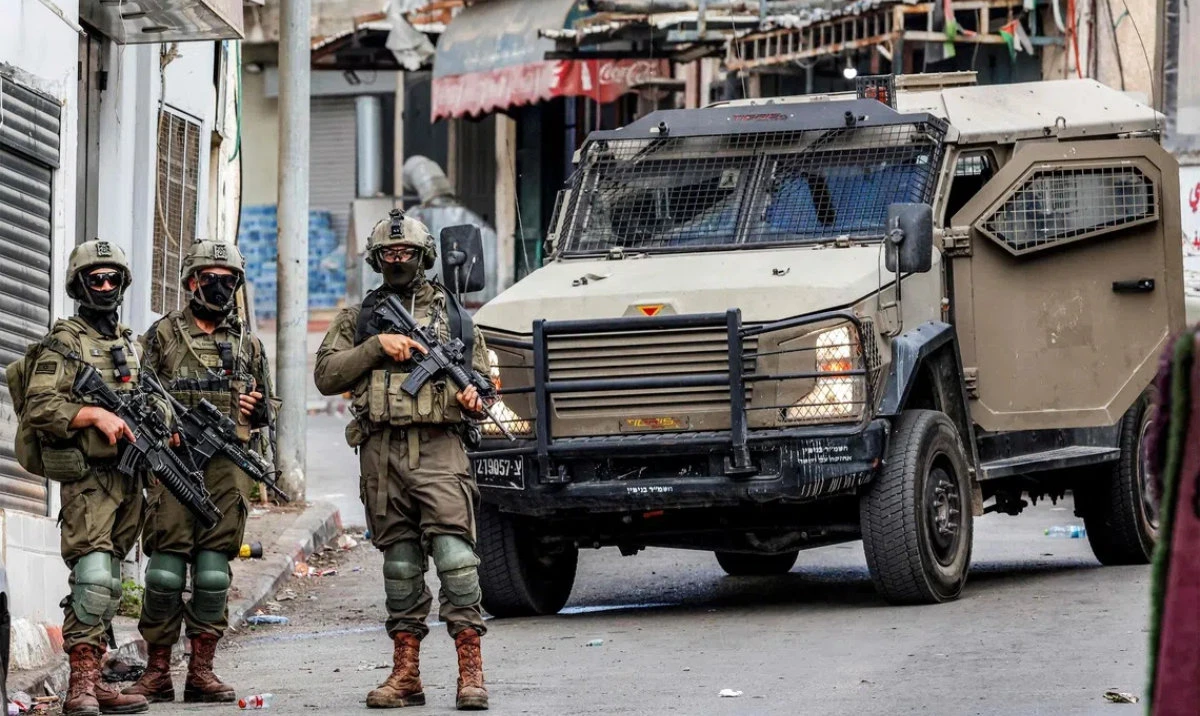
NEW YORK: Israeli settlers carried out at least 264 attacks against Palestinians in the occupied West Bank during October, marking the biggest monthly total since UN officials began tracking such incidents in 2006, the UN said.
In a statement warning against the sharp rise in violence, the UN Office for the Coordination of Humanitarian Affairs said the attacks, which resulted in casualties and property damage, amounted to an average of eight incidents per day.
“Since 2006, OCHA has documented over 9,600 such attacks. About 1,500 of them took place just this year, roughly 15 percent of the total,” the UN body said in a statement.
Home to 2.7 million Palestinians, the West Bank has long been at the heart of plans for a future Palestinian state existing alongside Israel, but successive Israeli governments have expanded settlements rapidly, fragmenting the land.
The UN, Palestinians, and most countries regard settlements as illegal under international law. Israel disputes this. Over half a million Israeli settlers live in the West Bank.
OCHA also said that according to OCHA-confirmed data as of Wednesday, 42 Palestinian children had been killed by Israeli forces in the West Bank so far this year.
“That means one in every five Palestinians killed by Israeli forces in the West Bank in 2025 has been a child,” OCHA said.
Israel’s mission to the UN did not immediately respond to a request for comment.
The West Bank attacks came despite a US-brokered ceasefire in the war in Gaza in October, which has calmed most fighting and led to the return of hostages.