UN urges respect for journalists after US envoy’s remarks in Lebanon

UN urges respect for journalists after US envoy’s remarks in Lebanon
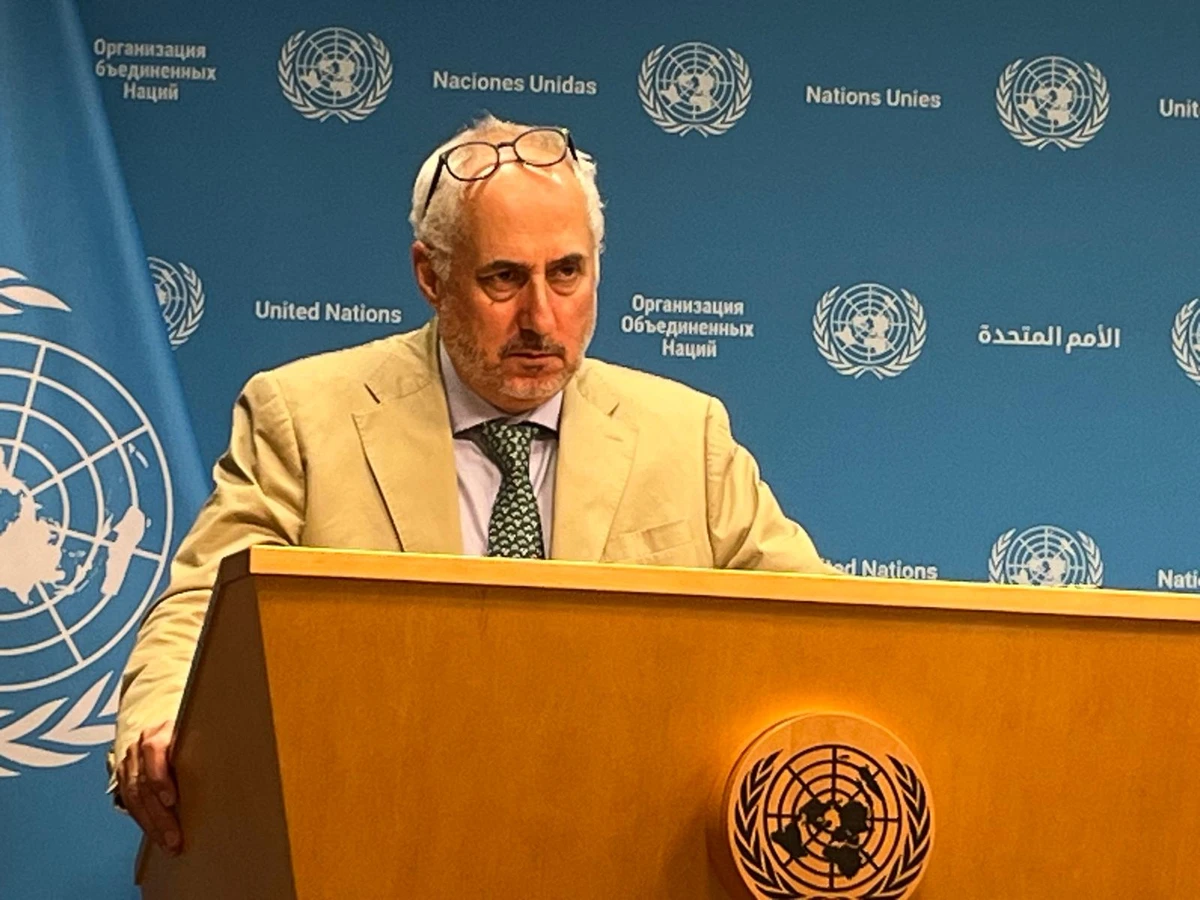
UN spokesperson calls for journalists to be respected a day after controversy erupted in Lebanon over a US diplomat’s remarks. (UN)
Short Url
Updated 27 August 2025
Follow

UN urges respect for journalists after US envoy’s remarks in Lebanon

UN urges respect for journalists after US envoy’s remarks in Lebanon

DUBAI: The UN spokesperson on Wednesday called for journalists to be respected a day after controversy erupted in Lebanon over a US diplomat’s remarks.

US Special Envoy Tom Barrack, in a press conference on Tuesday at Baabda Palace south of Beirut, described Lebanese journalists’ behavior as “animalistic.”

He said: “The moment this starts becoming chaotic, like animalistic, we’re gone.”

Responding to the controversy, UN spokesperson Stephane Dujarric said: “I treat all the journalists I deal with, with the utmost respect, and everyone should.”

At the palace press conference, Barrack called on the gathering journalists to “act civilized, act kind, act tolerant, because this is the problem with what’s happening in the region.”

He asked them if they thought it was “economically beneficial” for him and deputy envoy Morgan Ortagus to be there “putting up with this insanity.”

His comments sparked outrage, with journalists and media unions describing them as “humiliating” and “racist.”

Lebanon’s presidency issued a statement that said it “deeply regrets the remark made inadvertently from its podium by one of its guests,” without naming Barrack.

The Syndicate of Lebanese Press Editors demanded an apology from the US envoy, calling his remarks “absolutely unacceptable and highly reprehensible.” It also said it would urge media outlets to boycott his remaining visits to Lebanon if an apology was not issued.

On Wednesday, Barrack canceled a planned visit to the southern town of Khiam and the city of Tyre, according to Lebanon’s National News Agency.

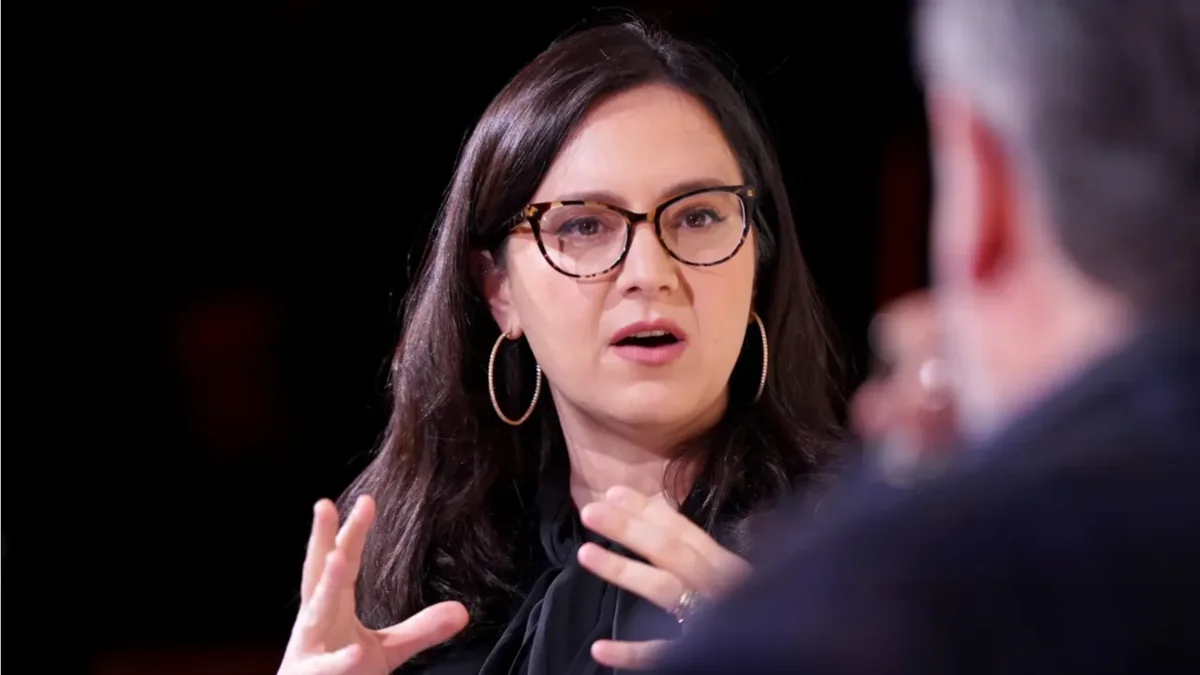
Mona Ziade, acclaimed journalist who chronicled Lebanon’s civil war and Arab-Israeli diplomacy, dies at 66

Updated 3 sec ago
Follow

Mona Ziade, acclaimed journalist who chronicled Lebanon’s civil war and Arab-Israeli diplomacy, dies at 66

Mona Ziade, acclaimed journalist who chronicled Lebanon’s civil war and Arab-Israeli diplomacy, dies at 66
  • She launched her journalism career in Beirut in 1978 before joining the AP there four years later
  • Ziade also closely covered the Palestine Liberation Organization when it was based in Lebanon and later in Tunisia
BEIRUT: Mona Ziade, who helped The Associated Press cover major events out of the Middle East during the 1980s and ‘90s, including the taking of Western hostages during Lebanon’s civil war and Arab-Israeli peace talks, has died. She was 66.
Ziade died Tuesday morning at her home in Beirut from complications of lung cancer after undergoing treatment for months, her daughter Tamara Blanche said. Blanche said that her mother had been unconscious in the hours before she passed away.
Ziade, a dual citizen of Lebanon and Jordan, launched her journalism career with United Press International in Beirut in 1978 before joining the AP four years later.
While covering Lebanon’s 15-year civil war, Ziade’s boss, the AP’s chief Middle East correspondent Terry Anderson, was kidnapped in Beirut in 1985. He was held for seven years, becoming one of the longest-held American hostages in history.
Months after Anderson’s kidnapping, the AP moved its Middle East headquarters from Beirut to Cyprus’ capital, Nicosia. Ziade moved there in 1986 and later married longtime AP correspondent Ed Blanche, who served as the agency’s Middle East editor for 10 years.
Ziade also closely covered the Palestine Liberation Organization when it was based in Lebanon and later in Tunisia, delivering several scoops to the AP through her excellent source work within the group. When the PLO’s chairman, Yasser Arafat, and Israel’s prime minister, Yitzhak Rabin, signed a historic peace accord at the White House in 1993, Ziade was there to cover it.
“Mona was a firecracker, a hard-charging young reporter in an international press corps replete with hard chargers and ambitious journalists,” said Robert H. Reid, the AP’s former Middle East regional editor.
“Her razor’s edge was a longtime friendship with the commander of the Palestine Liberation Organization’s military wing, Abu Jihad, a boyhood friend of her father,” Reid said. “That tie was not only an invaluable source of information from a major player in the Middle East, but also a safety guarantee for AP reporters operating in areas of Lebanon controlled by Abu Jihad’s troops.”
Ziade left the AP in 1996 to resettle with her family back in Beirut. She and Blanche helped relaunch Lebanon’s Daily Star newspaper, which had ceased publishing at the height of the civil war. Ziade served as the English-language daily’s national editor before becoming its managing editor.
She left the Daily Star in 2003 and went to work as a communications officer for the World Bank’s Lebanon office.
Before launching her career, Ziade studied communications and political science at Beirut University College, which is now known as Lebanese American University.
Ed Blanche died in Beirut in 2019 after a long battle with cancer. The couple is survived by their daughter, Tamara, and Ed Blanche’s two sons from a previous marriage, Jay and Lee.