- After spending 9 days in the territory, UNICEF official warns of repeated displacements, children separated from parents, mothers grieving children lost to starvation
- She tells of youngsters maimed by shrapnel she met in hospitals and warns: ‘The unthinkable is not looming — it is already here’
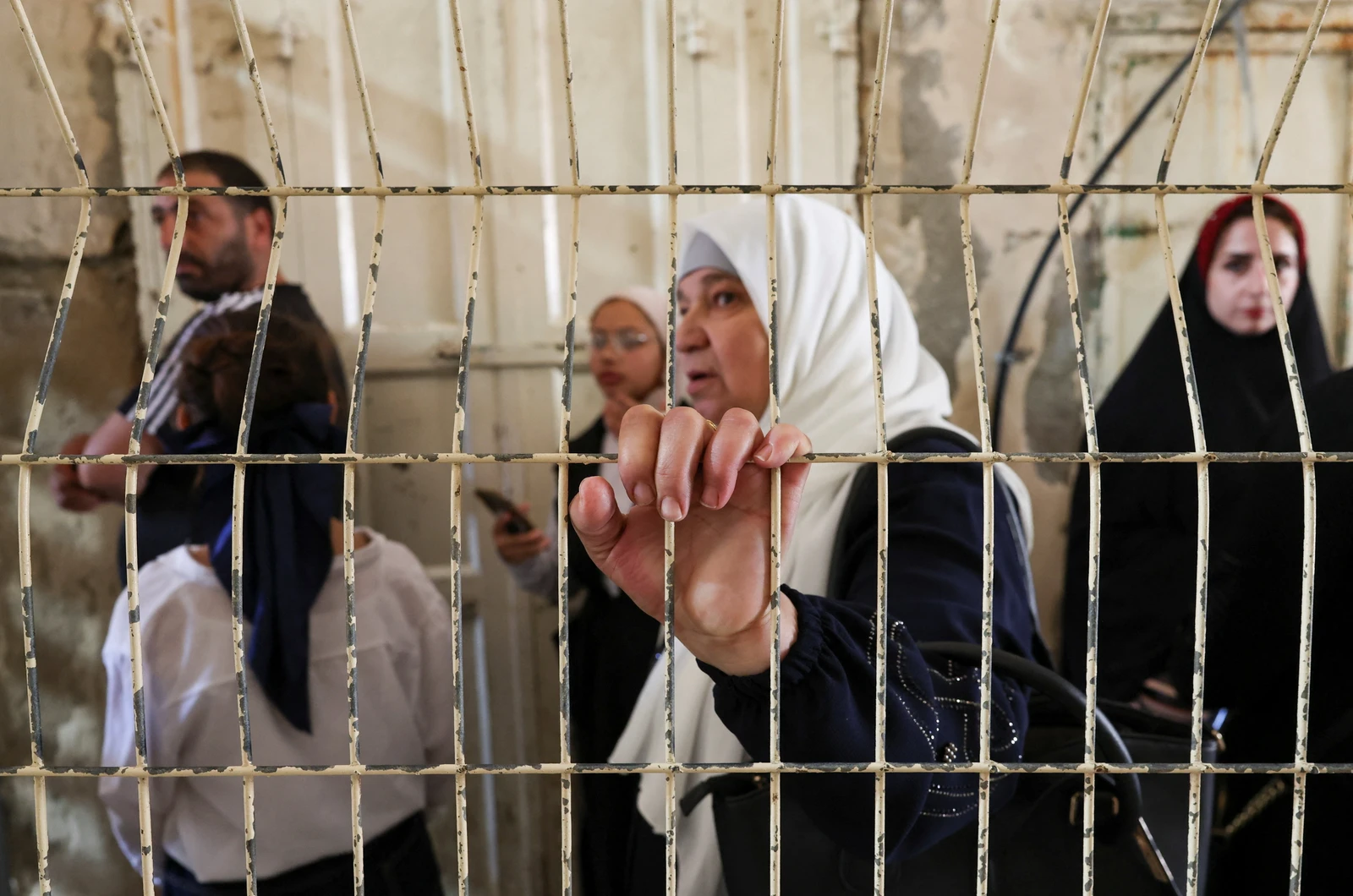
NEW YORK CITY: Once a refuge for families, Gaza City is now a place where “childhood cannot survive,” a leading UNICEF official said on Thursday.
“It is a city of fear, flight and funerals,” said Tess Ingram, the organization’s communications manager for the Middle East and North Africa, speaking from Gaza.
“The world is sounding the alarm about what an intensified military offensive in Gaza City could bring: a catastrophe for nearly 1 million people. But we cannot wait for the unthinkable to happen to act.”
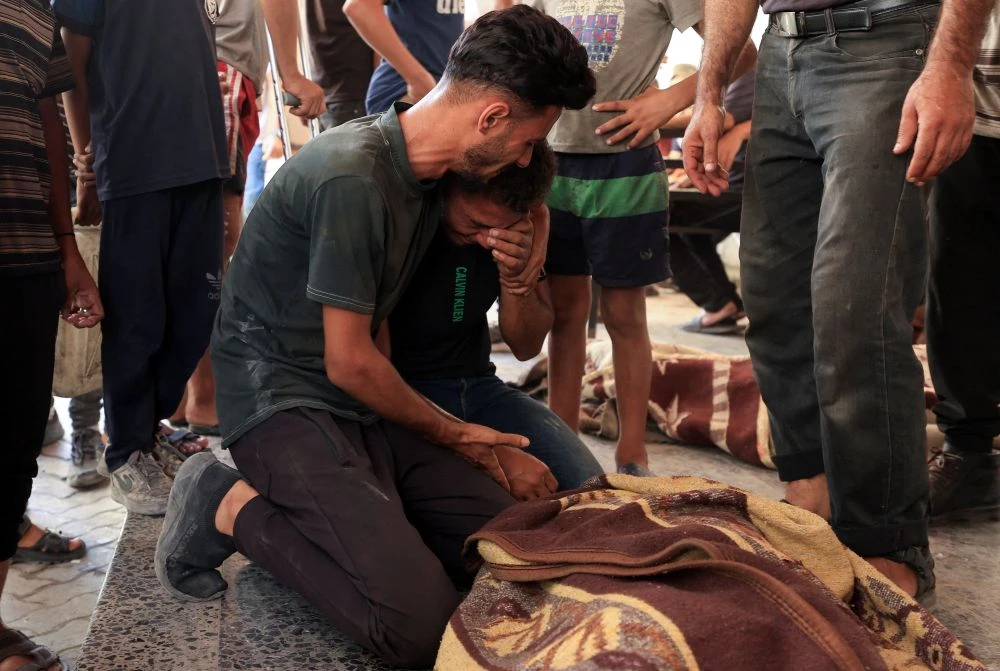
After spending nine days in the territory, Ingram recounted stories of repeated displacement, children separated from parents, mothers grieving children lost to starvation, and others who fear their children will be next.
She also spoke of youngsters maimed by shrapnel she met in hospitals and warned: “The unthinkable is not looming — it is already here.”
Among the gravest emergencies in Gaza is the soaring rate of child malnutrition. Of 92 UNICEF-supported outpatient nutrition centers in Gaza City, only 44 remain operational.
“This is what famine in a war zone looks like,” Ingram said, describing overcrowded clinics filled with starving children and parents in despair. She told how many families survive on a single daily bowl of lentils or rice, shared among all members, with mothers skipping meals so that their children can eat.
She shared in particular the story of Nesma, a mother she first met in April 2024. Nesma’s daughter, Jana, was evacuated from Gaza for medical treatment for malnutrition and recovered. But following the brief ceasefire in Gaza, and the family’s return to the north of the territory, the blockade resumed. Nesma’s younger son, Jouri, died last month from malnutrition, Ingram said, and Jana, now critically ill once again, is barely holding on.
“I am crushed after raising my child only to lose him in my arms,” Nesma told Ingram. “I beg not to lose Jana too.”
UNICEF continues to operate across Gaza, delivering life-saving aid. In the past two weeks, it supplied enough therapeutic food for 3,000 severely malnourished children, complementary food for 1,400 infants, and high-energy biscuits for 4,600 pregnant and breastfeeding women. But the needs of the people in the territory are much greater.
The statistics are stark. In February, 2,000 children were admitted to health centers for treatment for hunger. By July, the number had soared to 13,000. In the first half of August alone, a further 7,200 were admitted.
Meanwhile, access to Gaza remains tightly restricted by Israeli authorities. Only about 41 trucks of aid enter the territory each day on average, a negligible number compared with the 6,000-8,500 that are required. Even on the best days, only about 100 get through. Bureaucratic and security barriers, coupled with looting, further hinder aid-distribution efforts.
UNICEF is seeking $716 million of funding from the international community for its Gaza response but this is only 39 percent funded. Despite the famine conditions, nutritional aid is only 17 percent funded.
“We could do far more and reach every child if our operations were enabled at scale and fully funded,” Ingram said.
Essential supplies such as diapers and specialized infant formula are being delivered in limited quantities but much more is needed. Ingram said that some supplies are looted en route, a problem that could be eased if volumes of aid were sufficient to meet demand.
Beyond addressing the nutritional needs, UNICEF also provides clean water, temporary classrooms, child-protection services, mental health support, hospital equipment, and cash assistance.
But hospitals remain overwhelmed. Of the 11 that are still partially functional in Gaza City, only five have neonatal intensive care units. Forty incubators, stretched to 200 percent capacity, are sustaining the lives 80 fragile newborns but rely on inconsistent and dwindling power supplies.
Even so-called “safe zones” have turned deadly. During one recent night, a 13-year-old girl called Mona survived an Israeli strike that killed her mother, 2-year-old brother and 8-year-old sister. She now lies in a hospital bed following abdominal surgery and the amputation of her left leg.
“It hurt a lot,” Mona told Ingram. “But I’m not sad about my leg; I’m sad that I lost my mum.”
Ingram urged Israeli authorities to review their rules of engagement to better protect children in line with the principles of international humanitarian law, and called on Hamas and other armed groups to release hostages. She emphasized the need for both sides in the conflict to allow safe and sustained access for aid workers, protect civilians and critical infrastructure, and reinstate the ceasefire agreement.
“Palestinian life is being dismantled,” Ingram said. “In Gaza City, the unthinkable has already begun. The cost of inaction will be measured in the lives of children buried in rubble, wasted by hunger, and silenced before they even had a chance to speak.”