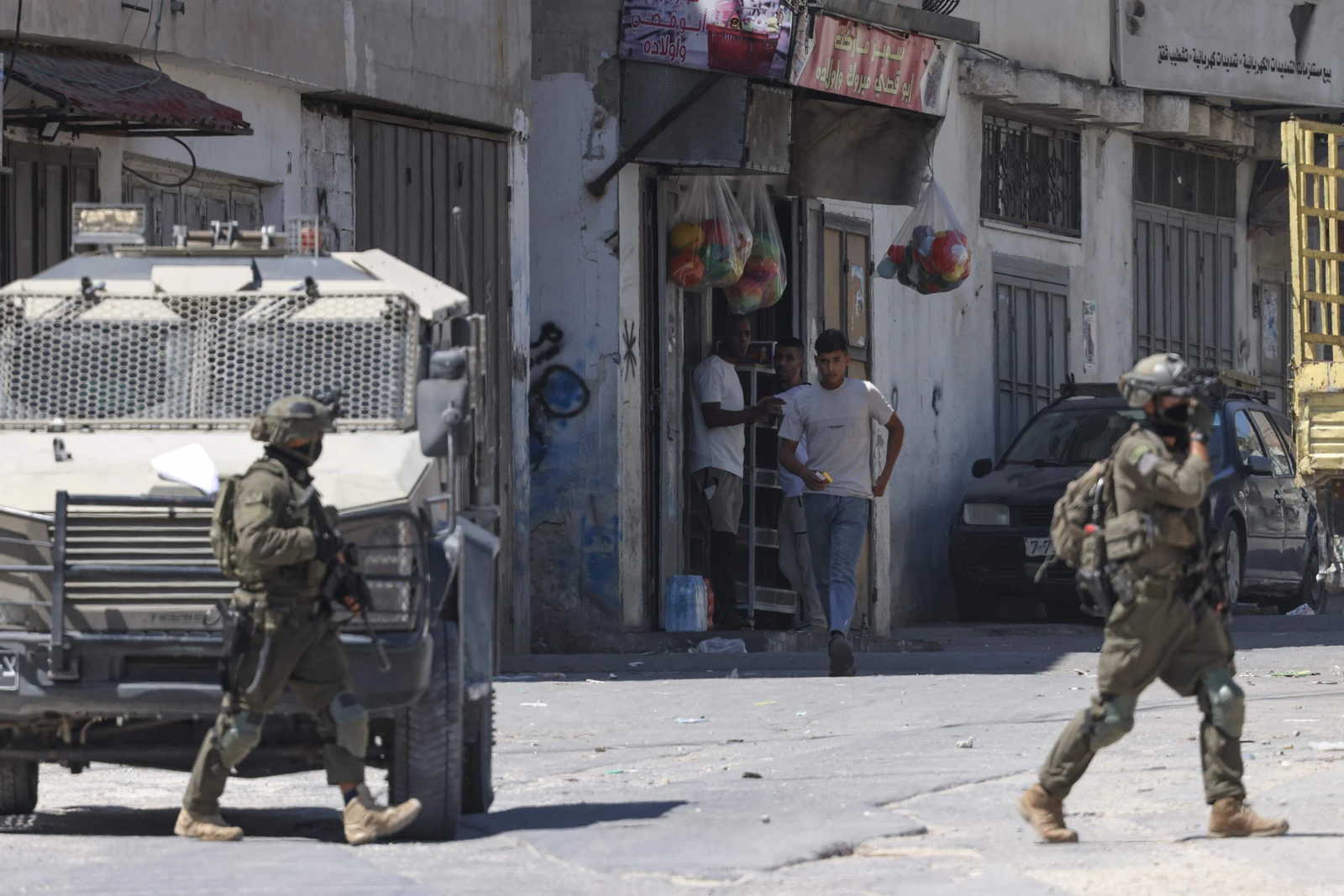
- Ben Gvir and Smotrich are already the target of sanctions by Western countries including Britain, Australia, Canada, New Zealand, the Netherlands, Norway and Slovenia
- Defense Minister Israel Katz says Israel has demolished 30 hi-rise buildings in Gaza, which it accused Hamas of using for military infrastructure
CAIRO, GAZA, MADRID: Palestinians living in the ruins of Gaza City were bombarded with Israeli leaflets on Tuesday ordering them out, after Israel said it was about to obliterate the area in an assault to wipe out Hamas, causing panic and confusion.
Residents of the city, the enclave’s biggest urban center that was home to a million Palestinians before the war, have been expecting an onslaught for weeks, since the Israeli government devised a plan designed to deal Hamas a fatal blow in what it says are the militant group’s last strongholds.
“I say to the residents of Gaza, take this opportunity and listen to me carefully: You have been warned — get out of there!” Israeli Prime Minister Benjamin Netanyahu said.
The Israeli military airdropped leaflets with evacuation orders onto residents standing amid the rubble of Gaza City, where it has bombed residential towers to the ground in the past few days.
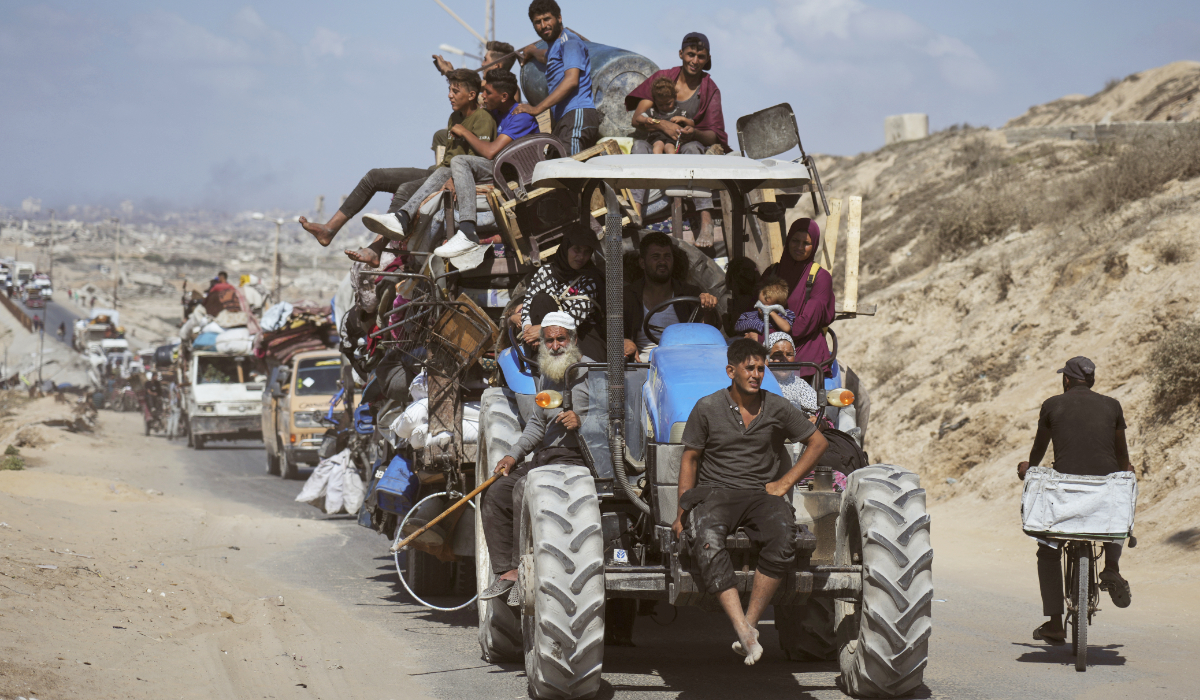
The evacuation orders rattled the city’s residents, who say there is no safe place to go to escape bombardment and a humanitarian crisis. Some said they would have no choice but to leave for the south, but many said they would stay, and there were no immediate signs of a mass exodus.
Anxiety was spreading through a tent area in Gaza City housing displaced cancer patients.
“There’s no place left, not in the south, nor the north, nothing. We’ve become completely trapped,” said one of the patients, Bajess Al-Khaldi, as people looked at the rubble of several buildings destroyed in an Israeli attack.
The health authorities in Gaza announced they would not evacuate Gaza City’s two main operational hospitals, Al-Shifa and Al-Ahli, adding that doctors would not leave patients unattended.
Most Gazans have already been displaced several times since the war started, much of the territory lies in ruins and a hunger crisis has grown far worse in recent months.
The Israeli military has instructed residents in Gaza City to move to a designated “humanitarian zone” in the already overcrowded Al-Mawasi area along the coast in the south, where thousands of Palestinians have already been sheltering in tents. Israel has also regularly bombed the south.
Um Samed, a 59-year-old mother of five, said the choice now was whether “to stay and die at home in Gaza City, or follow Israel’s orders and leave Gaza and die in the south.”
The Gaza City assault plan has provoked concern inside Israel, where public support for the war has wavered. Israel’s military leadership has warned Netanyahu against expanding the war, according to Israeli officials. Families of Israeli hostages and their supporters fear the attack could endanger the captives.
Meanwhile, Spain and Israel’s relations plunged to new depths as Madrid barred two far-right Israeli government ministers, a day after announcing measures aimed at stopping what it called “the genocide in Gaza.”
Israel’s National Security Minister Itamar Ben Gvir and Finance Minister Bezalel Smotrich would be sanctioned and “not be able to enter Spanish territory,” Madrid’s top diplomat Jose Manuel Albares said.
Prime Minister Pedro Sanchez on Monday had unveiled nine measures in response to the devastating war in Gaza.
The measures included an entry ban on “all those people participating directly in the genocide, the violation of human rights and war crimes in the Gaza Strip.”
Ben Gvir and Smotrich are already the target of sanctions by Western countries including Britain, Australia, Canada, New Zealand, the Netherlands, Norway and Slovenia. Spain had already placed 13 Israeli settlers on its sanctions list.