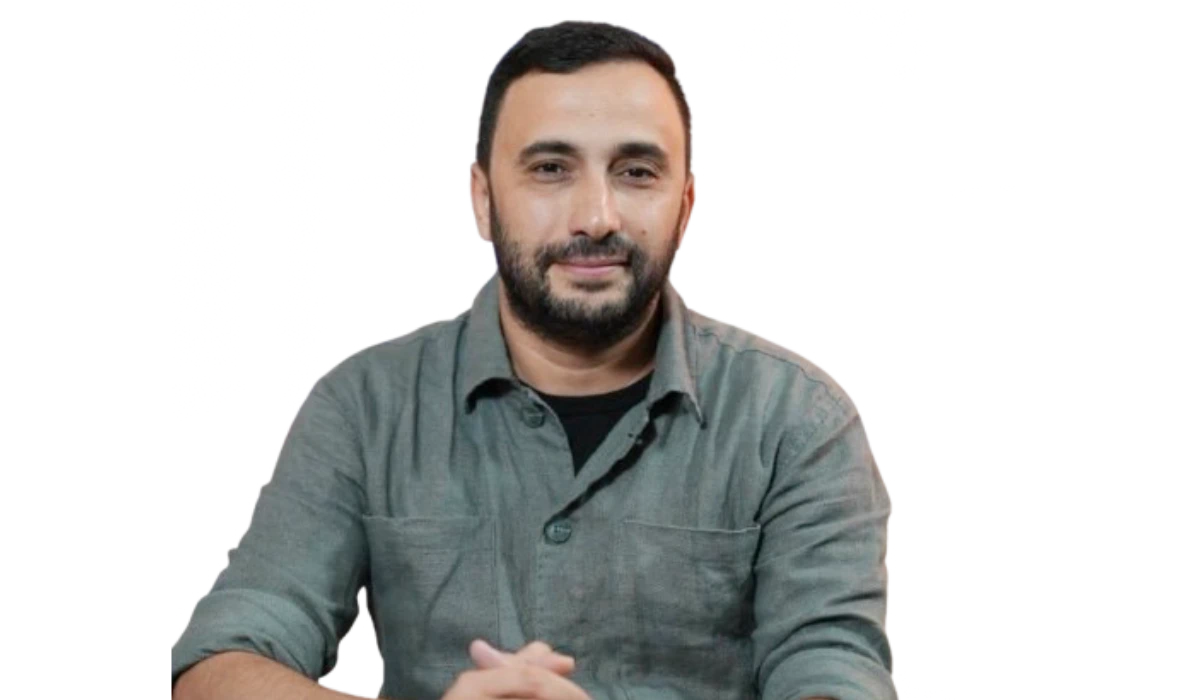
- Muhammad Abu Dakha says he has applied for asylum, and is waiting for a court to examine his application, with no date set yet for a hearing
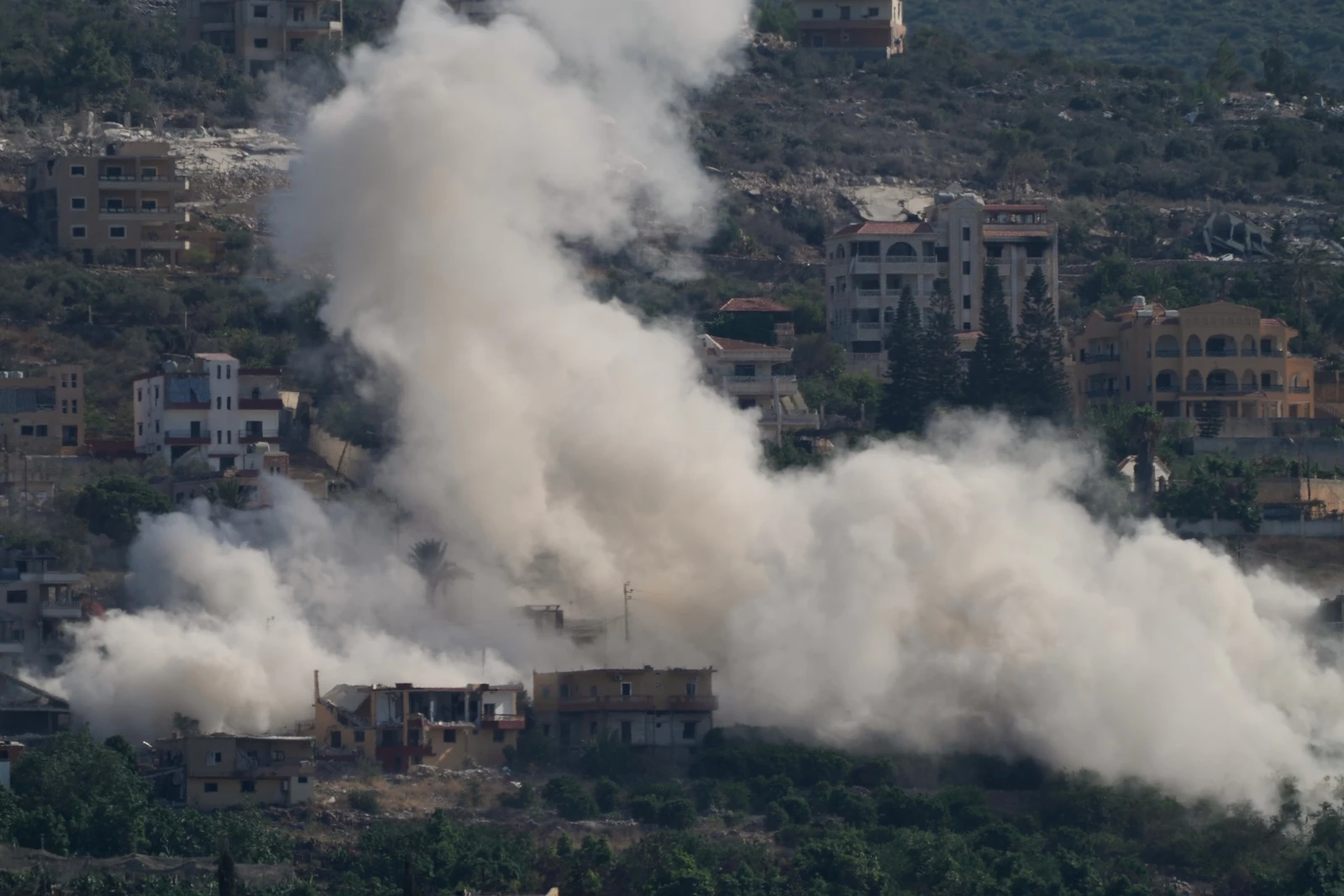
- Abu Dakha’s family remains in a tent camp in Khan Younis in southern Gaza, their home destroyed
LAMPEDUSA: It took more than a year, several thousand dollars, ingenuity, setbacks and a jet ski: this is how Muhammad Abu Dakha, a 31-year-old Palestinian, managed to escape from Gaza to reach Europe.
He documented his story through videos, photographs and audio files, which he shared with Reuters. Reuters also interviewed him and his travel companions upon their arrival in Italy, and their relatives in the Gaza Strip.
Fleeing the devastation caused by the nearly two-year-old Israel-Hamas war, in which Gaza health authorities say more than 57,000 Palestinians have been killed, Abu Dakha crossed the Rafah border point into Egypt in April 2024, paying $5,000.
TO CHINA AND BACK
He said he initially went to China, where he hoped to win asylum, but returned to Egypt, via Malaysia and Indonesia, after that failed. He showed Reuters email correspondence with the UN Refugee Agency (UNHCR) Representation in China from August and September 2024.
Abu Dakha then went to Libya where, according to multiple reports by human rights groups and the UN, tens of thousands of migrants are routinely abused and exploited by traffickers and militias while trying to secure a spot on a boat to Europe.
According to data from Italy’s interior ministry, more than 47,000 boat migrants have arrived in the country in the year to date, mostly from Libya and Tunisia. But Abu Dakha made it across in highly unusual circumstances.
After 10 failed crossing attempts with smugglers, he said he purchased a used Yamaha jet ski for about $5,000 through a Libyan online marketplace and invested another $1,500 in equipment, including a GPS, a satellite phone and life jackets.
Accompanied by two other Palestinians, 27-year-old Diaa and 23-year-old Bassem, he said he drove the jet ski for about 12 hours, seeing off a chasing Tunisian patrol boat, all while towing a dinghy with extra supplies.
The trio used ChatGPT to calculate how much fuel they would need, but still ran out some 20 km (12 miles) shy of Lampedusa. They managed to call for help, prompting a rescue and their landing on Italy’s southernmost island on August 18.
They were picked up by a Romanian patrol boat taking part in a Frontex mission, a spokesperson for the European Union’s border agency said, describing the circumstances as “an unusual occurrence.”
“It was a very difficult journey, but we were adventurers. We had strong hope that we would arrive, and God gave us strength,” said Bassem, who did not share his surname.
“The way they came was pretty unique,” said Filippo Ungaro, spokesperson for UNHCR Italy, confirming that authorities recorded their arrival in Italy after a jet ski journey from the Libyan port of Al-Khoms and a rescue off Lampedusa.
In a straight line, Al-Khoms is about 350 km from Lampedusa.
Abu Dakha contacted Reuters while staying in Lampedusa’s migrant center, after being told by a member of the staff there that his arrival via jet ski had been reported by local media.
From that point he shared material and documents, although Reuters was unable to confirm certain aspects of his account.
FROM LAMPEDUSA TO GERMANY
From Lampedusa, the odyssey continued. The three men were taken by ferry to mainland Sicily, then transferred to Genoa in northwestern Italy, but escaped from the bus transporting them before getting to their destination.
A spokesperson for the Italian interior ministry said it had no specific information about the trio’s movements.
After hiding in bushes for a few hours, Abu Dakha took a plane from Genoa to Brussels. He shared with Reuters a boarding card in his name for a low-cost flight from Genoa to Brussels Charleroi, dated August 23.
From Brussels, he said he traveled to Germany, first taking a train to Cologne, then to Osnabrueck in Lower Saxony, where a relative picked him up by car and took him to Bramsche, a nearby town.
He says he has applied for asylum, and is waiting for a court to examine his application, with no date set yet for a hearing. He has no job or income and is staying in a local center for asylum seekers.
Germany’s Federal Office for Migration and Refugees declined to comment on his case, citing privacy reasons.
Abu Dakha’s family remains in a tent camp in Khan Younis in southern Gaza, their home destroyed.
“He had an Internet shop, and his work, thank God, was comfortable financially and everything. He had built things up, and it all collapsed,” said his father, Intesar Khouder Abu Dakha, speaking from Gaza.
Abu Dakha hopes to win the right to stay in Germany, and bring over his wife and two children, aged four and six. He said one of them suffers from a neurological condition requiring medical care.
“That’s why I risked my life on a jet ski,” he said. “Without my family, life has no meaning.”