
Snapchat launches local Bitmoji wardrobe for Saudi National Day

Snapchat launches local Bitmoji wardrobe for Saudi National Day
Localization is the first of its kind for Snapchat internationally, the company said. (Supplied)
Short Url
Updated 18 September 2025
Follow

Snapchat launches local Bitmoji wardrobe for Saudi National Day

Snapchat launches local Bitmoji wardrobe for Saudi National Day

DUBAI: Snapchat has launched a localized wardrobe for Bitmojis that includes abayas and thobes in celebration of Saudi National Day on Sept. 23.

The localization is the first of its kind for Snapchat internationally, the company said in a statement.

Snapchat has previously introduced local attire through augmented reality lenses; however, this is the platform’s first time launching a dedicated wardrobe for Bitmojis.

“We are proud that Saudi Arabia is the first country in the world where we are launching a localized Bitmoji wardrobe,” said Abdulla Al-Hammadi, managing director of Snap Inc. in Saudi Arabia.

He added: “This milestone reflects the Kingdom’s position as a global hub for digital innovation, while also aligning with Vision 2030’s ambitions to empower youth and celebrate national identity.”

Last year, Snap opened a new office and the Kingdom’s first creator hub, named Majlis Snap for Content Creators, in Diriyah’s JAX District, near Riyadh.

Such initiatives along with the latest launch reflect the company’s commitment to “continued investment in the Kingdom,” Al-Hammadi said.

“Saudi Arabia is one of Snap’s most important and influential markets globally, home to a passionate and creative community that has been an integral part of our story for over a decade,” he added.

Globally, Snapchat users have created more than 2.7 billion Bitmojis. The new wardrobe aims to enable Saudi Snapchat users to showcase their national pride by dressing their Bitmojis in clothing that reflects the Kingdom’s culture and heritage.

The launch is line with Snapchat’s plans for the region, with more localized features planned for the future, the company said.

The platform has 25 million monthly active users in the Kingdom who open the app more than 50 times a day on average, according to Snap.

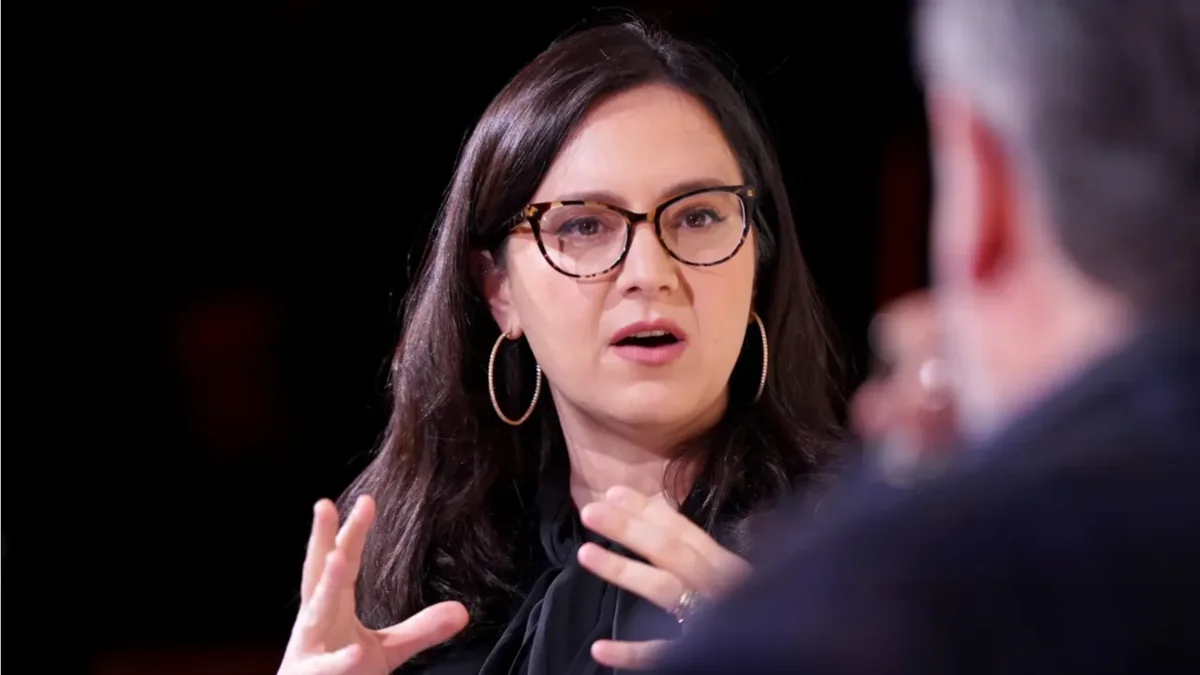
Mona Ziade, acclaimed journalist who chronicled Lebanon’s civil war and Arab-Israeli diplomacy, dies at 66

Mona Ziade, acclaimed journalist who chronicled Lebanon’s civil war and Arab-Israeli diplomacy, dies at 66
Updated 04 November 2025
Follow

Mona Ziade, acclaimed journalist who chronicled Lebanon’s civil war and Arab-Israeli diplomacy, dies at 66

Mona Ziade, acclaimed journalist who chronicled Lebanon’s civil war and Arab-Israeli diplomacy, dies at 66
  • She launched her journalism career in Beirut in 1978 before joining the AP there four years later
  • Ziade also closely covered the Palestine Liberation Organization when it was based in Lebanon and later in Tunisia

BEIRUT: Mona Ziade, who helped The Associated Press cover major events out of the Middle East during the 1980s and ‘90s, including the taking of Western hostages during Lebanon’s civil war and Arab-Israeli peace talks, has died. She was 66.
Ziade died Tuesday morning at her home in Beirut from complications of lung cancer after undergoing treatment for months, her daughter Tamara Blanche said. Blanche said that her mother had been unconscious in the hours before she passed away.
Ziade, a dual citizen of Lebanon and Jordan, launched her journalism career with United Press International in Beirut in 1978 before joining the AP four years later.
While covering Lebanon’s 15-year civil war, Ziade’s boss, the AP’s chief Middle East correspondent Terry Anderson, was kidnapped in Beirut in 1985. He was held for seven years, becoming one of the longest-held American hostages in history.
Months after Anderson’s kidnapping, the AP moved its Middle East headquarters from Beirut to Cyprus’ capital, Nicosia. Ziade moved there in 1986 and later married longtime AP correspondent Ed Blanche, who served as the agency’s Middle East editor for 10 years.
Ziade also closely covered the Palestine Liberation Organization when it was based in Lebanon and later in Tunisia, delivering several scoops to the AP through her excellent source work within the group. When the PLO’s chairman, Yasser Arafat, and Israel’s prime minister, Yitzhak Rabin, signed a historic peace accord at the White House in 1993, Ziade was there to cover it.
“Mona was a firecracker, a hard-charging young reporter in an international press corps replete with hard chargers and ambitious journalists,” said Robert H. Reid, the AP’s former Middle East regional editor.
“Her razor’s edge was a longtime friendship with the commander of the Palestine Liberation Organization’s military wing, Abu Jihad, a boyhood friend of her father,” Reid said. “That tie was not only an invaluable source of information from a major player in the Middle East, but also a safety guarantee for AP reporters operating in areas of Lebanon controlled by Abu Jihad’s troops.”
Ziade left the AP in 1996 to resettle with her family back in Beirut. She and Blanche helped relaunch Lebanon’s Daily Star newspaper, which had ceased publishing at the height of the civil war. Ziade served as the English-language daily’s national editor before becoming its managing editor.
She left the Daily Star in 2003 and went to work as a communications officer for the World Bank’s Lebanon office.
Before launching her career, Ziade studied communications and political science at Beirut University College, which is now known as Lebanese American University.
Ed Blanche died in Beirut in 2019 after a long battle with cancer. The couple is survived by their daughter, Tamara, and Ed Blanche’s two sons from a previous marriage, Jay and Lee.