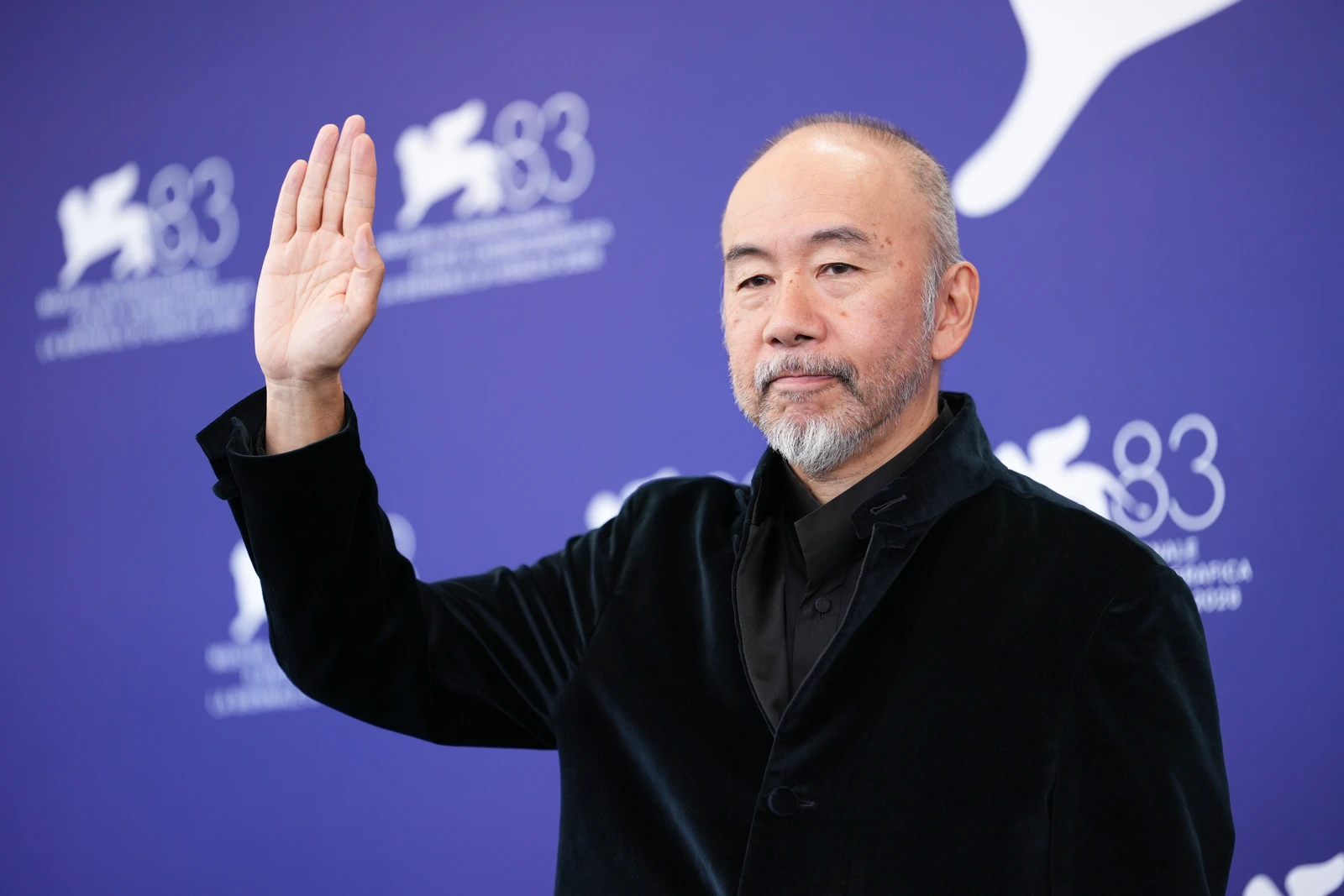
- Vietnamese singer Duc Phuc proclaimed winner with a song inspired by a poem about bamboo
- Putin relaunched the USSR-era contest after Russia was banished from Eurovision over its offensive in Ukraine
MOSCOW: With artists from more than 20 countries and ambitions for a billion-plus viewers, Russia on Saturday revived its Intervision song contest, which Moscow hopes will compete with a “decadent” Eurovision.
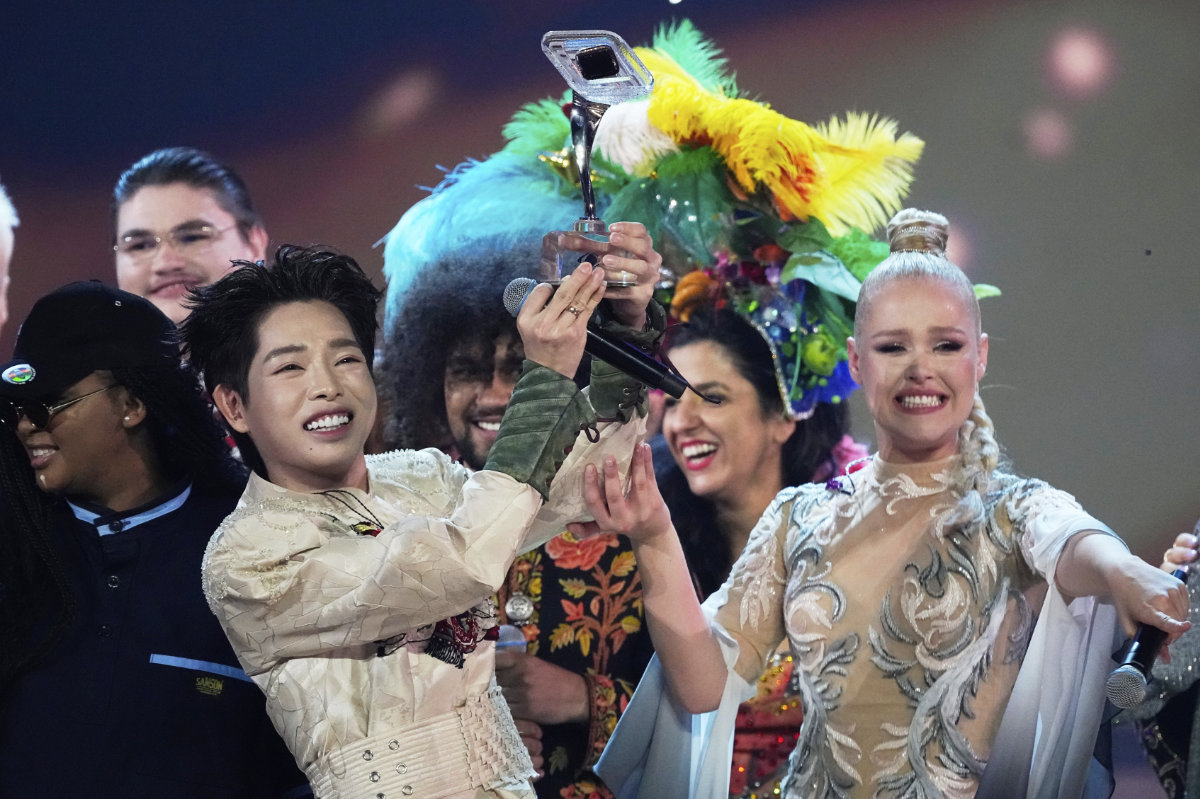
First held in the Soviet era and relaunched in February on President Vladimir Putin’s orders, the concert-as-soft-power tool was held at an arena near the Russian capital, with Vietnamese singer Duc Phuc proclaimed the winner with a song inspired by a poem about bamboo.
The performer, who won the Vietnamese version of reality TV series “The Voice” 10 years ago, emotionally thanked the audience “for every second” spent watching the competition, which lasted around four hours.
With Russia banished from Eurovision, the song contest extravaganza born on the other side of the Iron Curtain, over its offensive in Ukraine, the Kremlin has pushed Intervision as a means to lay the anti-Western narratives on thick while striving for new cultural and political alliances.
The contest kicked off with an opening ceremony hitching future-looking technology to nostalgia for the Soviet past, before giant augmented-reality projections of dancing silhouettes in traditional costumes were displayed to represent each contestant.
In a video address to participants, including traditional allies Brazil, India and China, Putin hailed the contest’s “main theme” of “respecting traditional values and different cultures.”
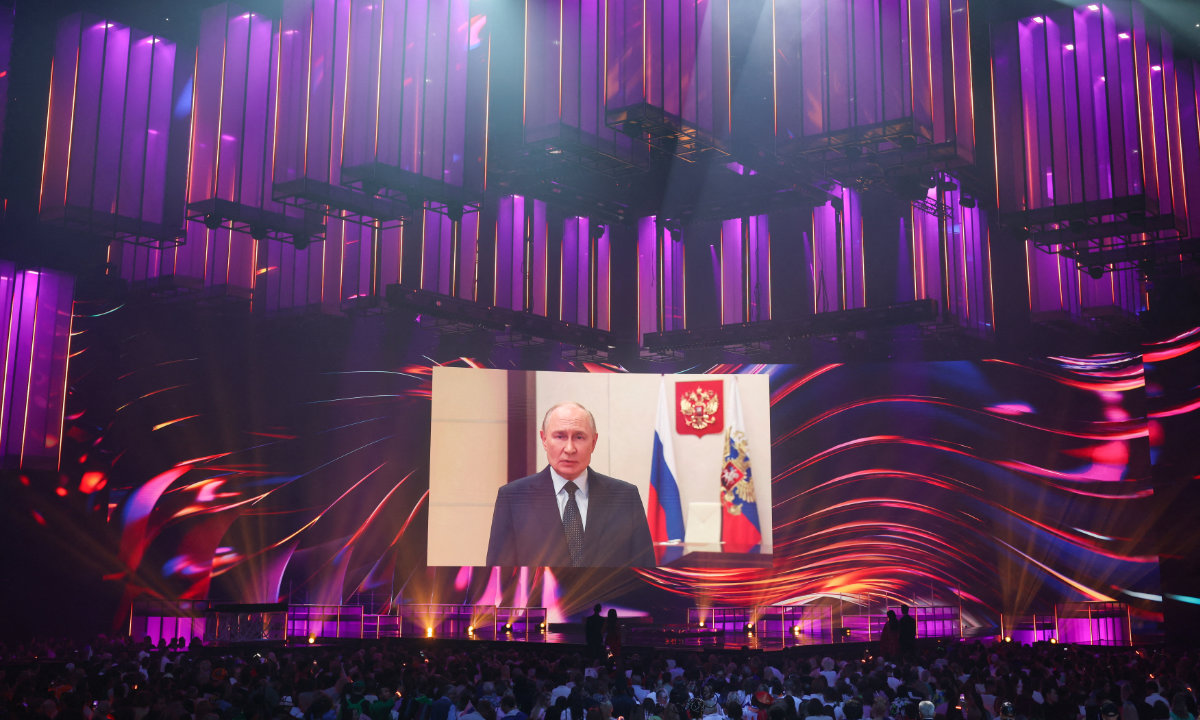
“Today, Intervision is gathering a second wind, while remaining faithful to its traditions,” the veteran strongman added.
Twenty-three countries were originally slated to take part in the contest, including Russia’s old Cold War foe the United States.
But the US representative — Australian pop singer Vasiliki Karagiorgos, known as Vassy — had to pull out at the last minute because of “unprecedented political pressure from the Government of Australia,” the organizers said.
No performers from an EU country took part.
But former Soviet republics Uzbekistan and Kazakhstan dispatched artists to Russia for the spectacle.
Other acts included Cuban singer Zulema Iglesias Salazar with a joyful rumba, Qatar’s Dana Al Meer, who sang at the 2022 World Cup opening ceremony, and Serbia’s Slobodan Trkulja, who dedicated his song “Three Roses” to his three daughters.
Russia’s entrant, Shaman, a singer known for his patriotic concerts, presented a lyrical song before telling the jury he did not want to be named the winner.
“Hospitality is an inalienable part of the Russian soul... and according to the law of hospitality, I don’t have the right to be among those vying to win,” he said.
Besides Putin, the contest’s kick-off drew in Dima Bilan, Eurovision winner in 2008, and Polina Gagarina, the contest’s runner-up in 2015.
American rocker Joe Lynn Turner, formerly of the band Deep Purple, was a member of the jury.
A billion viewers?
Each country’s act sang in their native language — “unlike Eurovision, where most songs are often sung in English,” the organizers were at pains to point out.
In the build-up to the contest, Moscow voiced high hopes for the TV viewership.
The participating countries represented 4.3 billion people — or more than half the planet’s population, according to the organizers.
“If at least one-in-three or at least one-in-four people watch the contest, it’ll be an audience without precedent,” said Konstantin Ernst, director general of the broadcaster Pervy Kanal, ahead of the contest.
The last edition of Eurovision, held in May, drew a record audience of 166 million viewers, according to organizers.
First organized in 1965 in Prague, Intervision was suspended after the anti-Soviet uprising in Czechoslovakia three years later.
It was then revived in Poland in the 1970s and held across various cities of the former Communist bloc.
Another difference from Eurovision? No public vote. An international jury alone decided the winner.
Organizers announced the next edition of Intervision would be held in Saudi Arabia in 2026.