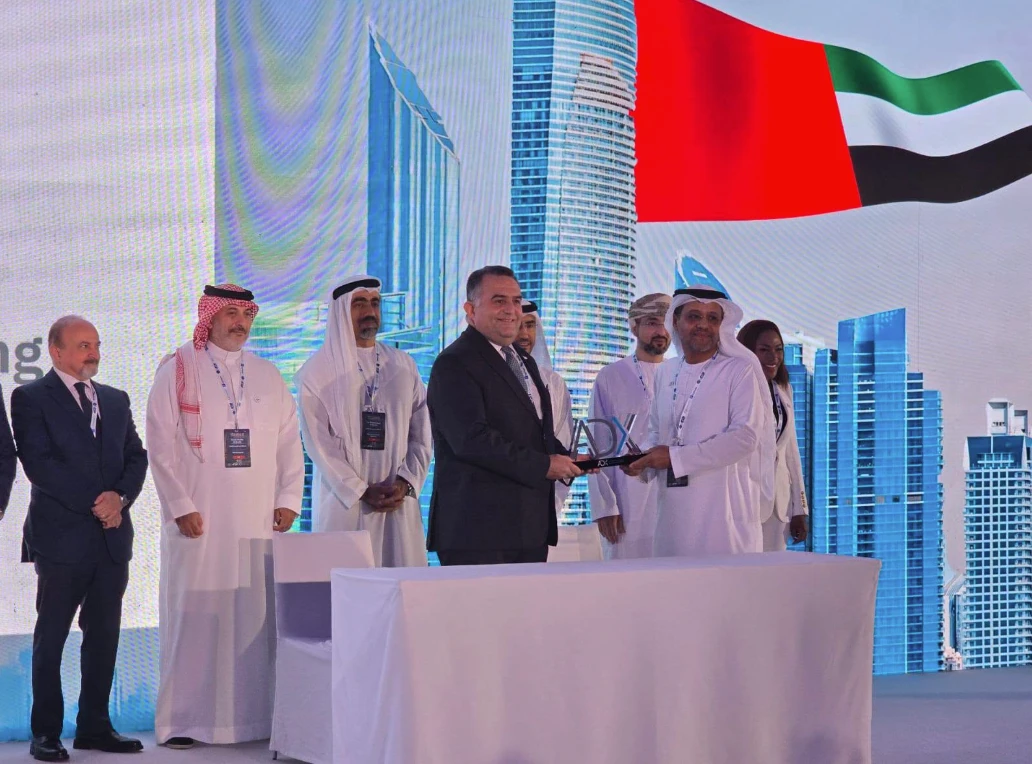
JEDDAH: Oman Development Bank has financed more than 20,000 small projects across the country, with total lending surpassing 100 million Omani rials ($260 million) by the end of September, it has been revealed.
The fisheries sector led the portfolio with 8,761 loans worth about 38.5 million rials, followed by agriculture and livestock with 3,805 loans, representing 19 percent of the total, and handicrafts with 2,898 loans, or 10 percent, the Oman News Agency reported.
These sectors are prioritized due to their role in national food security and cultural heritage, providing sustainable income, particularly in rural and coastal areas.
The milestone underscores the bank’s role in supporting small enterprises as part of the government’s broader effort to foster balanced development and self-employment under Oman Vision 2040.
Mahmoud bin Abdullah Al-Owaini, chairman of the development bank, said the government prioritizes small projects as a means to enhance economic and social development, empower citizens, and ensure household stability.
“He noted that the bank offers interest-free loans for full-time entrepreneurs to support continued production, and highlighted initiatives that create employment, increase production, and contribute to self-sufficiency,” the news agency reported, citing Al-Owaini.
The chairperson noted that small projects form the nucleus of the economy and are a driver of development, serving as the foundation of entrepreneurship.
“He emphasized the government’s direct support and sustainable empowerment of beneficiary groups, highlighting the importance of economic enablement for priority groups, such as youth seeking opportunities to build their professional futures,” the ONA report added.
The bank operates under the supervision of the Ministry of Finance, which covers interest costs for full-time entrepreneurs and guides lending policies toward priority sectors.
It offers flexible and accessible financing models, including interest-free loans of up to 15,000 rials covering 90 percent of project costs for full-time entrepreneurs, accounting for 68 percent of the portfolio.
The financial organization also provides loans at 3 percent interest for part-time entrepreneurs, covering up to 80 percent of project costs and representing 32 percent of the portfolio.
Additionally, working capital financing is available for up to 20 percent of the loan value, with flexible grace periods depending on the nature of the project and its cash flows.